



SOUTHERN ECUADOR BIRDING TOUR
Tour Overview

ECUADOR
BIRDING TOUR
ANY TIME*
| Duration: | 18 days, 17 nights |
| Group Size: | 2-4 |
| 2-3 Price: | $6850 |
| 4+ Price: | $6650 |
| Single Suppl: | $600 |
| Est #Species: | 475-525 |
| Pace: | Easy/Moderate |
| Difficulty: | Easy/Moderate |
| Best Time: | Oct-Feb |
| * This tour is available for any dates of your choosing provided guide services and accommodations are available. | |
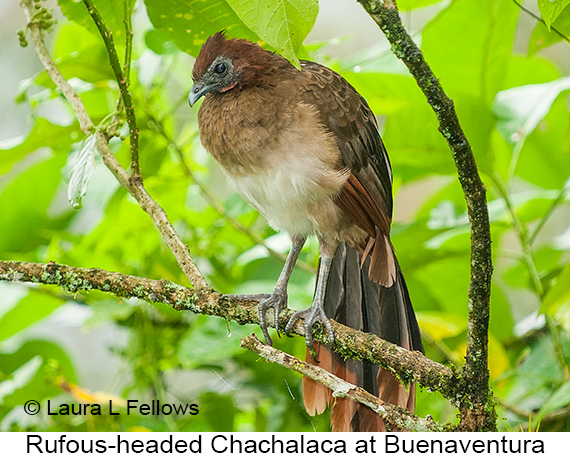
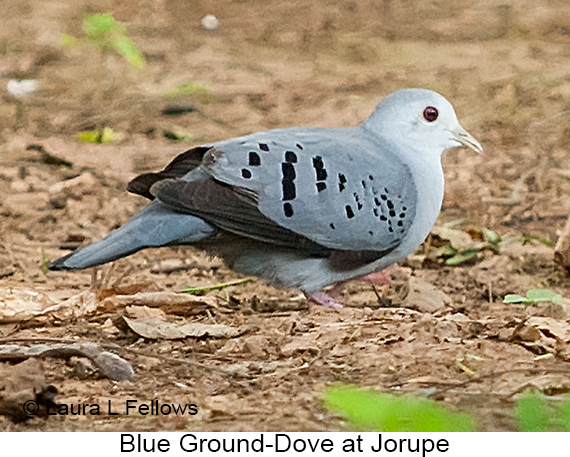
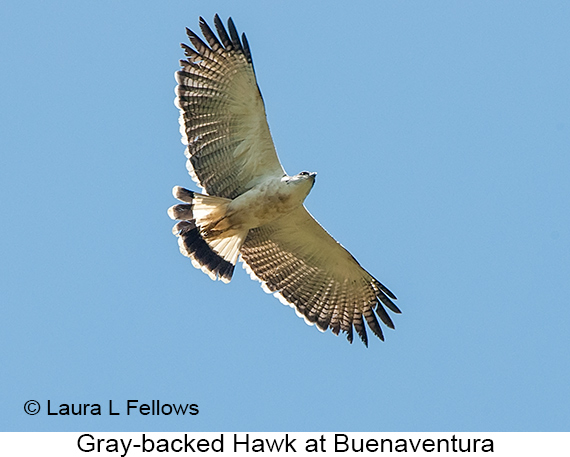
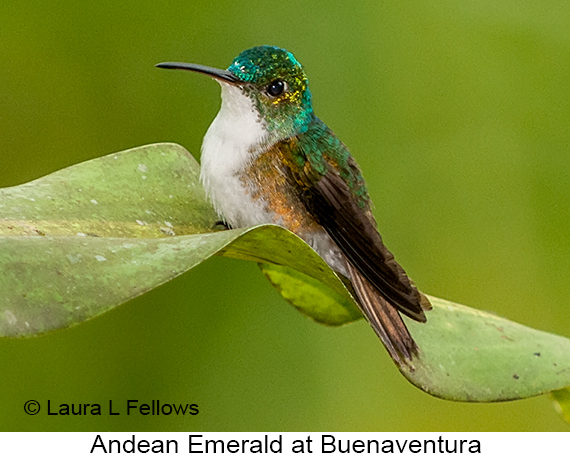
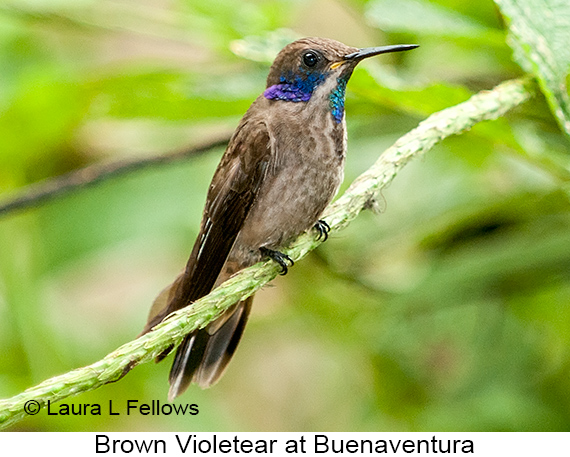
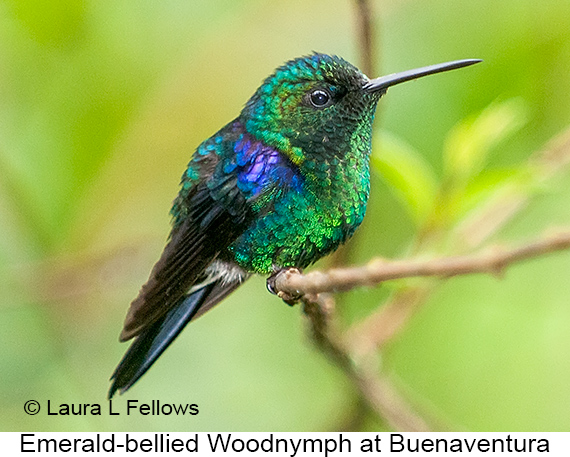
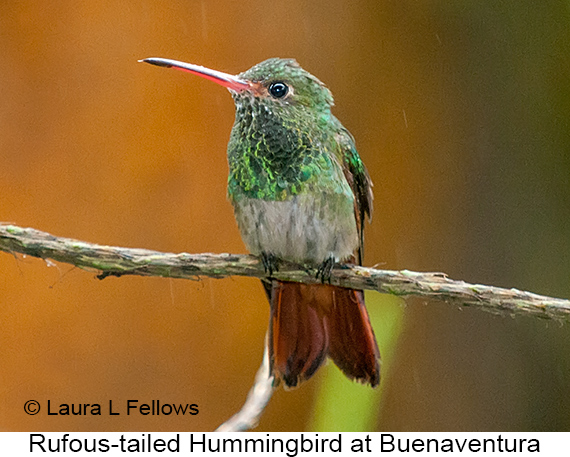
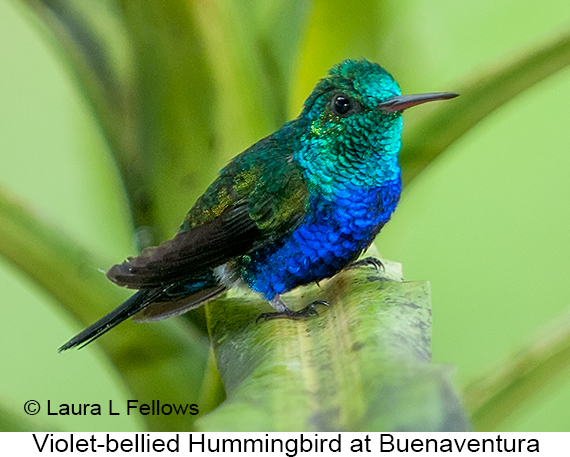
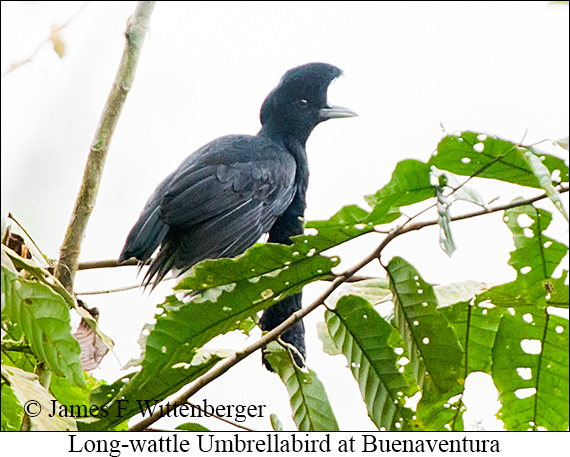
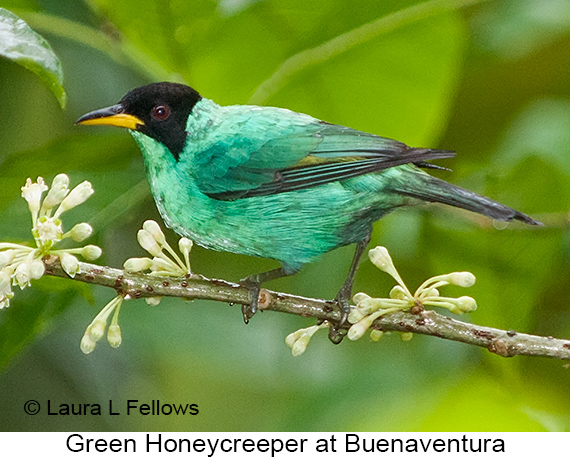
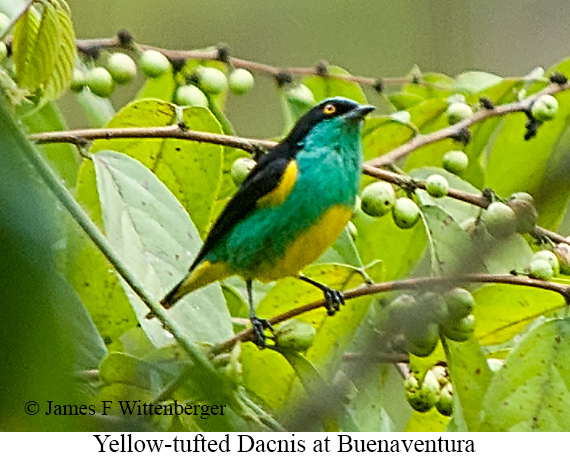
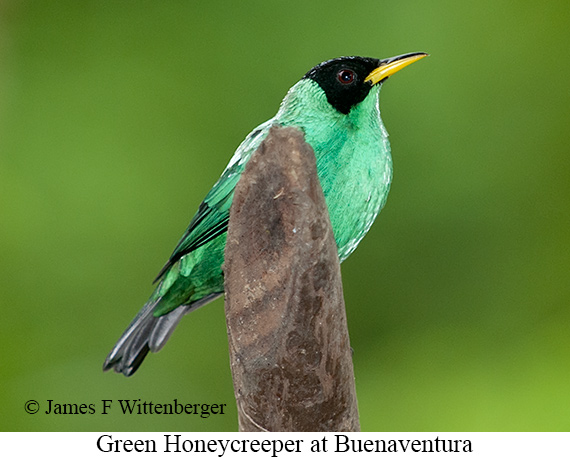
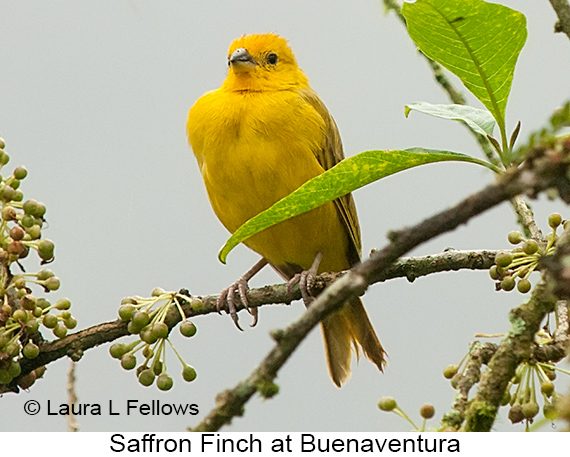
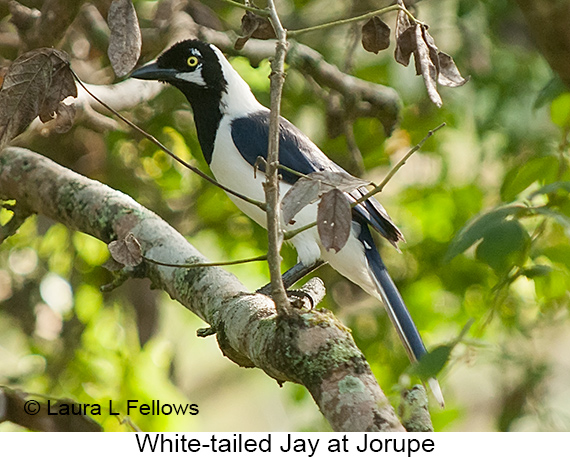
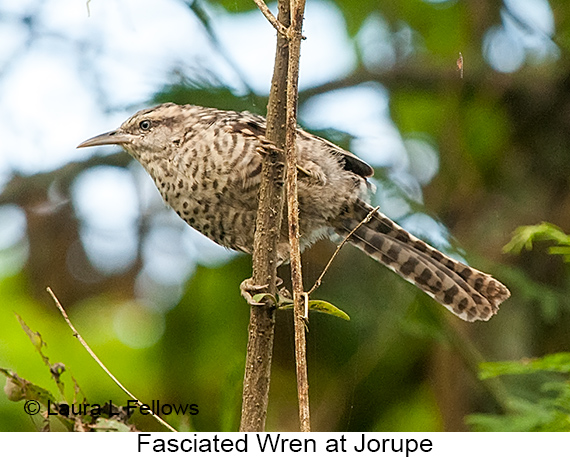
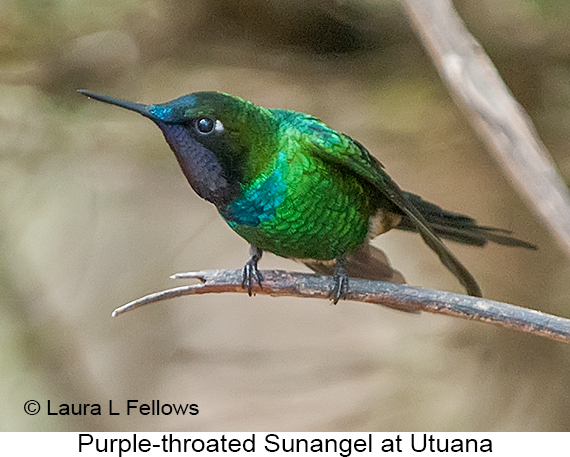
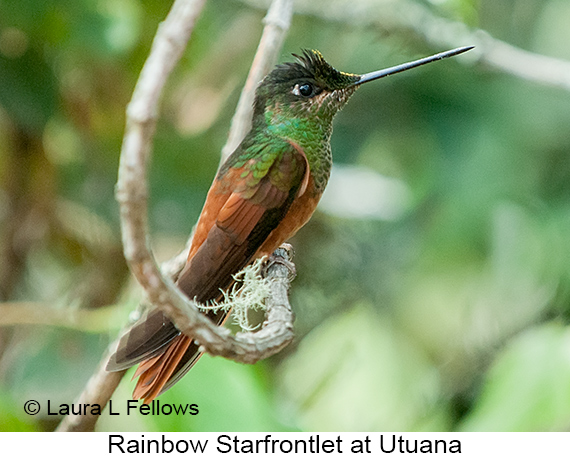
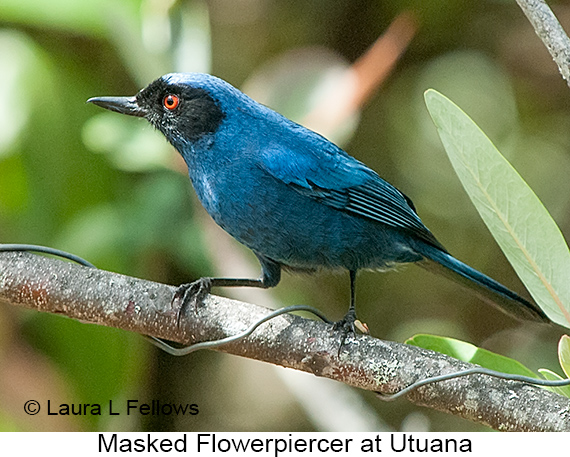
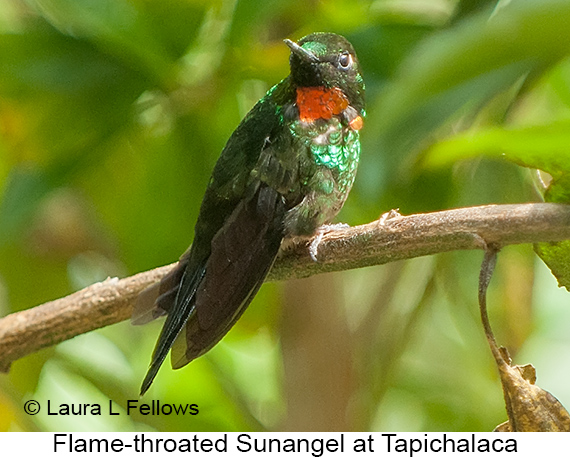
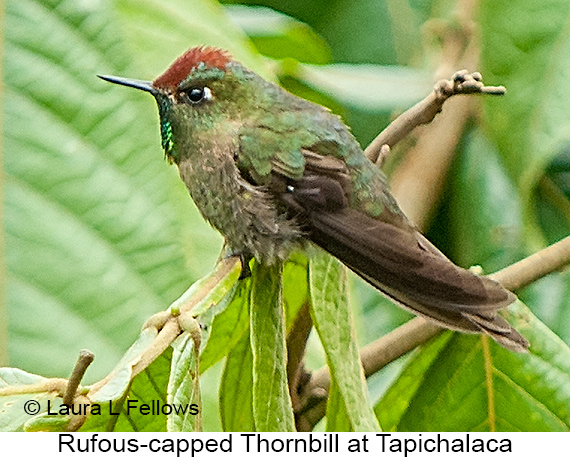
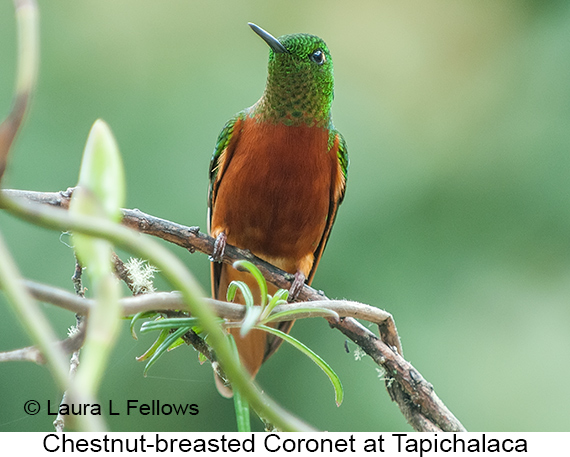
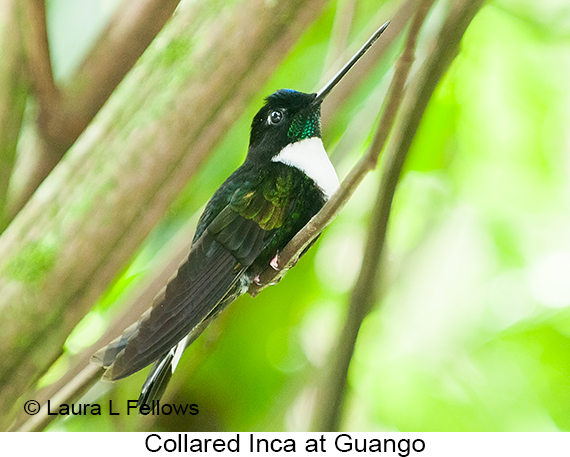
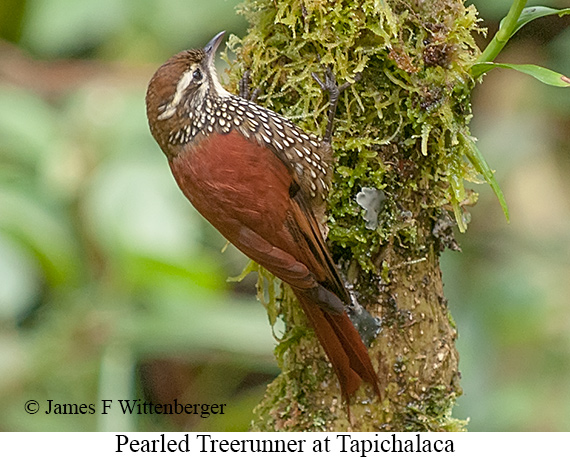
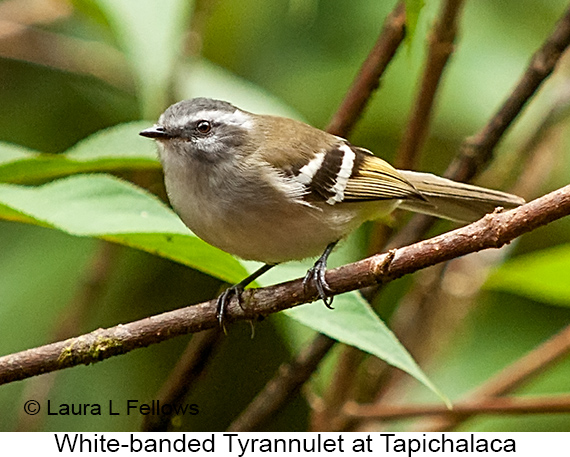
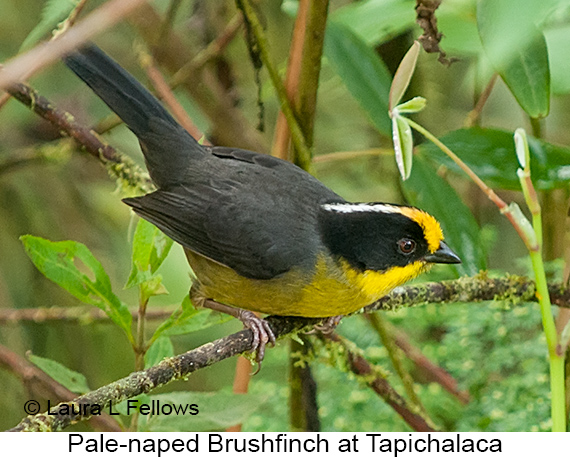
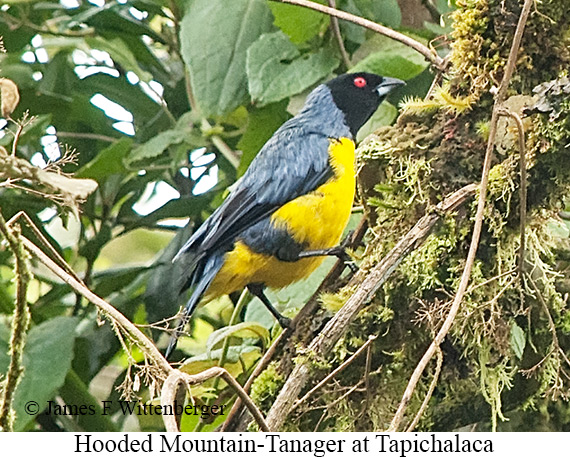
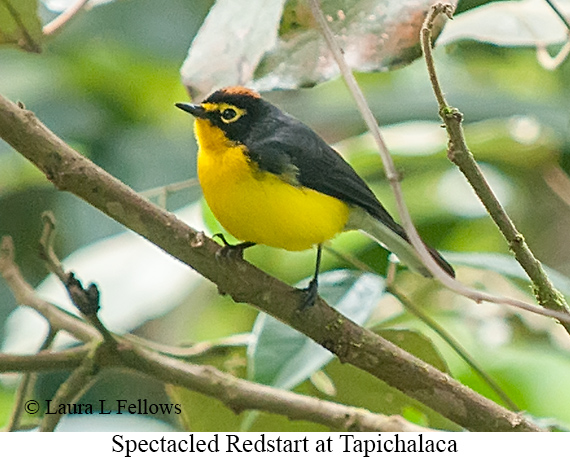
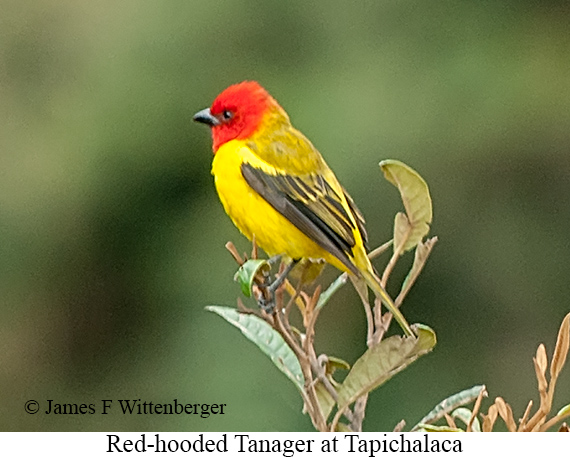
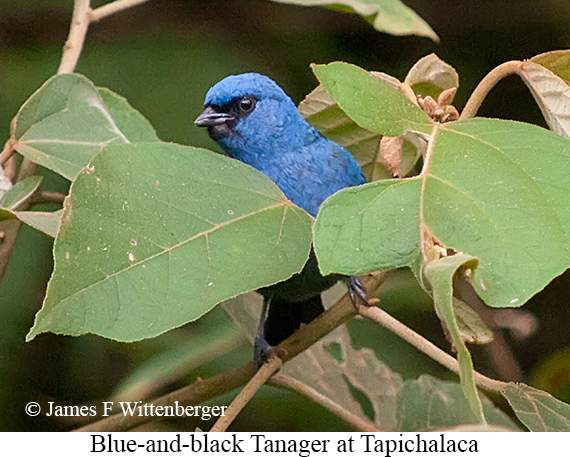
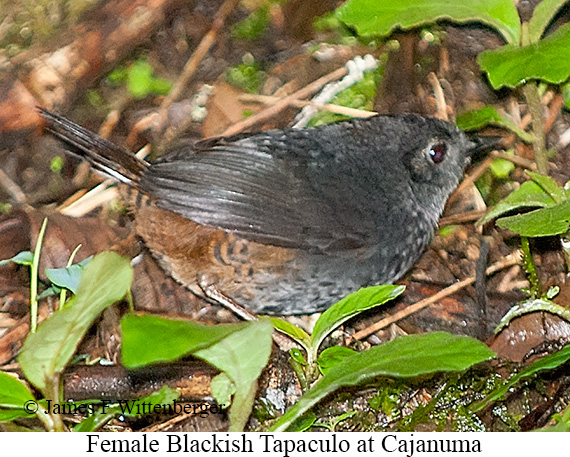
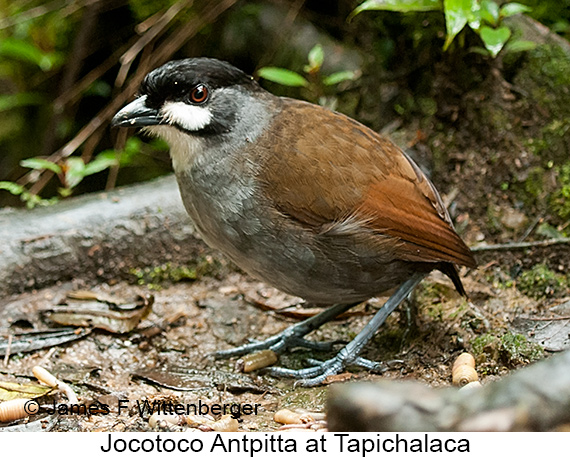
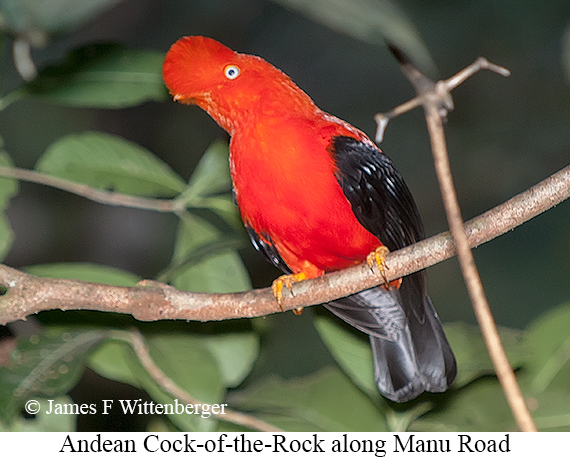
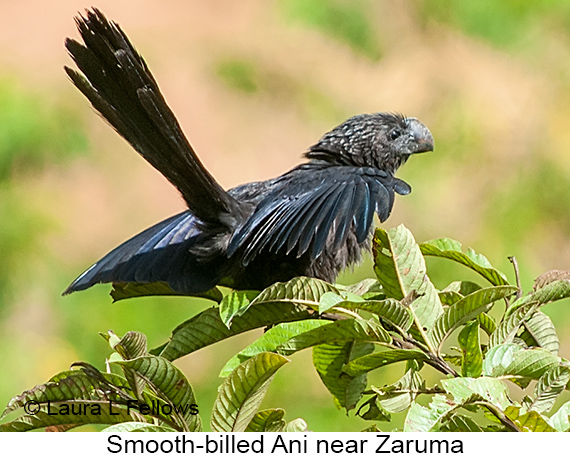
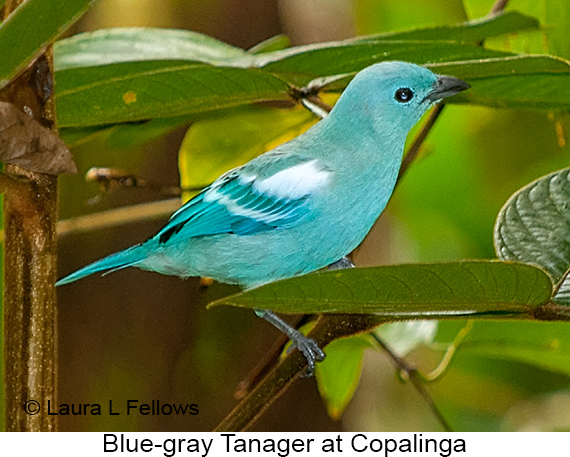
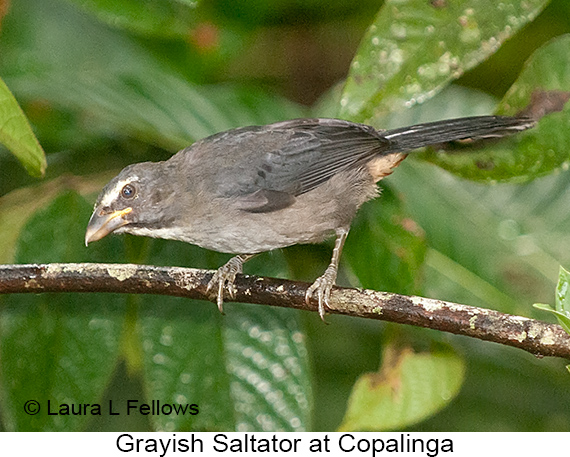
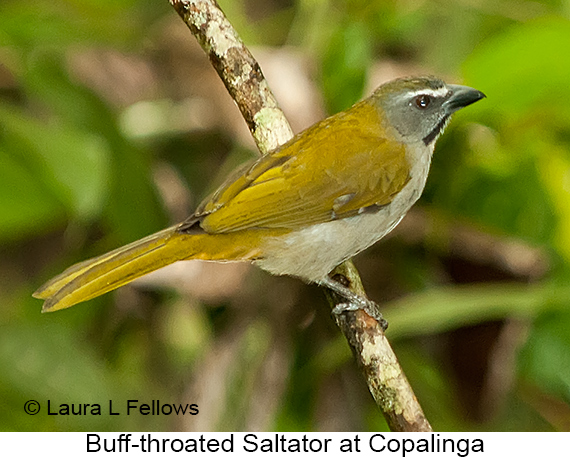
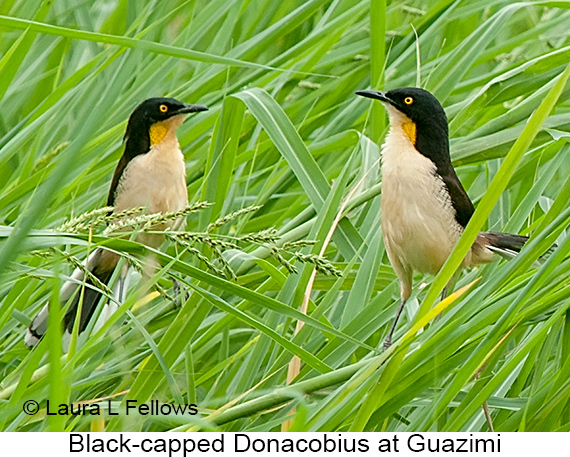
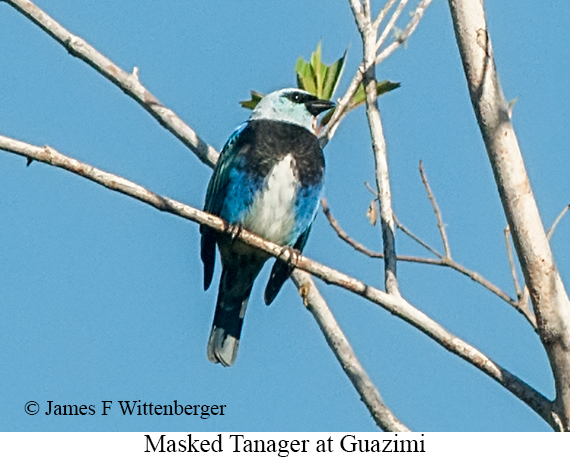
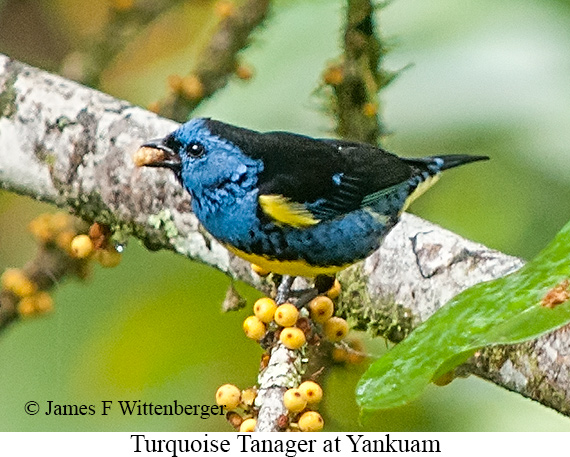
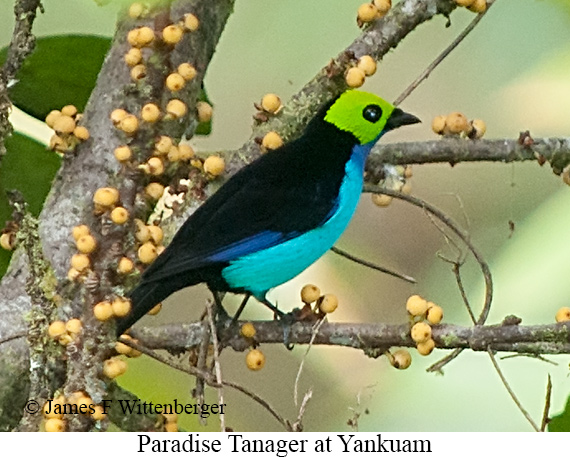
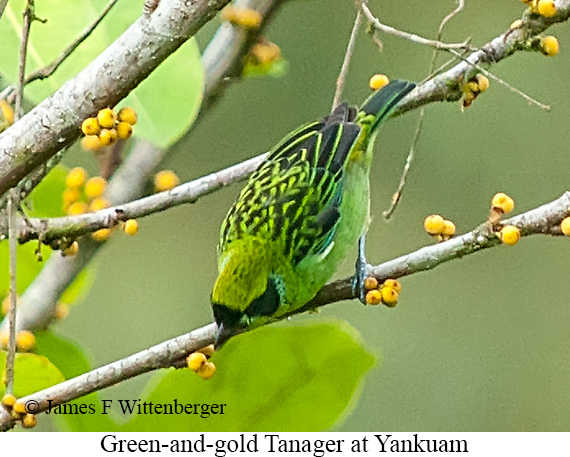
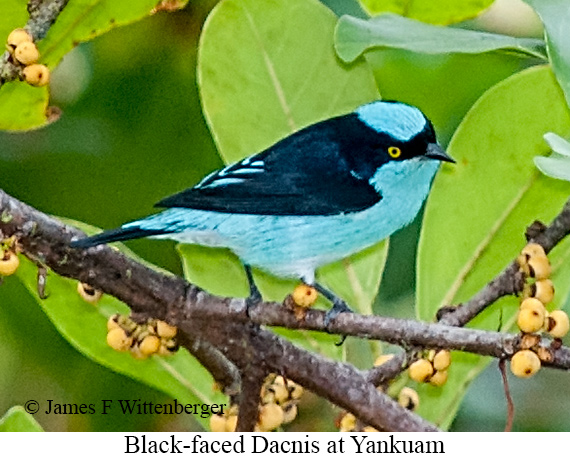
 Southern Ecuador offers a superb variety of birds on the eastern and western slopes of the southern Andes and Cordillera del Condor. The species mix is quite different from farther north, and the species diversity allows for a tour list of nearly or even over 500 species during an 18-day tour. The many threatened, vulnerable, and endangered species have resulted in preservation of several forested reserves and national parksalong with some very nice ecolodges established for the benefit of birders. Our tour pretty much covers them all.
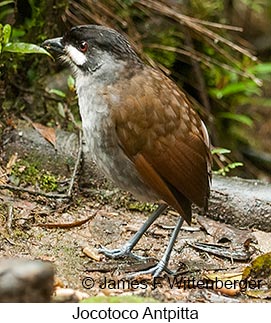
The tour of southern Ecuador begins with a transfer from Guayaquil to the Buenaventura Reserve with birding stops at Manglares-Churute Reserve and elsewhere along the way. After more than a full day birding at Buenaventura, we continue on to the Jorupe Reserve operated by the Jocotoco Foundation with a birding stop at El Empalme en route. We'll spend a full day birding the deciduous forest there before proceeding to Utuana Reserve located at somewhat higher elevation and protects some evergreen forest. En route there we'll stop for some birding around Sozoranga. From Utuana we'll proceed to the Tapachalaca Reserve, a fabulous site featuring Jocotoco Antpittas coming to a feeder and simply superb birding.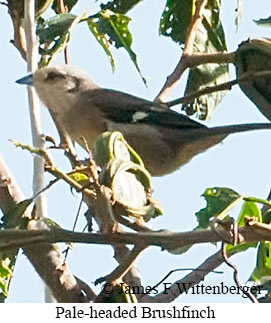 After Tapachalaca, we'll head north toward Loja, taking a side road up Cerro Toledo to look for high elevation specialties in the morning before continuing on to the city. We should have time to bird the upper reaches of Podacarpus National Park outside Loja that afternoon. We then depart early for a transfer to the Nangaritza River Valley in the Cordillera del Condor where some very localized endemics await. In this incredibly scenic valley we'll have nearly two full days to bird the Nuevo Paraiso Road and nearby Maycu Reserve. Next on the itinerary is a fairly short drive north to the town of Yantzaza, our base the next day for an excursion into the Cordillera del Condor for birding the Zamora Forest, an infrequently visited site where several very scarce species occur. Then we drive south to Zamora and Copalinga Lodge for a two night stay, our base for birding the Bombuscaro section of Podacarpus National Park and the old Loja-Zamora Road. From there we head back north to the town of Saraguro, our base for exploring Cerro Acanama the next day. From Saguro we continue on to Santa Isabel, stopping en route to spend the morning birding the higher elevation road up Cerro de Arcos. Santa Isabel will be our base for birding the Yunguilla Reserve, established to protect the critically endangered Pale-headed Brushfinch. Our final stop next day will be birding the high elevation pass in El Cajas National Park before returning to Guayaquil for the end of the tour. For those interested we offer a short extension to visit the Ayampe areawest of Guayaquil to seek out some additional specialties.
Tour Considerations
PACE - The itinerary of this tour is fairly intense but the pace can be adjusted to participant wishes and skill level.
DIFFICULTY - This tour entails a combination of roadside and trail birding. Most of the time birding will be on relatively flat or slightly inclined terrain with easy walking. However, birding several days is along steeper, moderately difficult trails. A couple birding sites are at higher elevation of around 300-4000 m (10,000-13,000 ft).
CLIMATE - dry season in southern Ecuador is May-December. Bird activity tends to be quite low from May-September. The lowlands can be quite hot, but much of the tour will be at middle elevations where temperaturs are very pleasant. High elevation sites can be very cold and windy. Rainy season is from January to April, but even during those months rainfall is sporadic and typically occurs as brief afternoon or evening showers. The hottest months are from January-March.
BIRD ACTIVITY - most birds breed during the rainy season from January-April in the lowlands. Bird activity in the lowlands of southwestern Ecuador can be very slow during the dry months from May-September. On the eastern slope of the southern Ecuadorian Andes, breeding can occur year-round but peaks during August through March.
PHOTOGRAPHY - The tour pace can be adjusted for those with a greater interest in photography. Feeders at Buenaventura, Jorupe, Tapichalaca, and Copalinga provide excellent opportunities for photography. Photography along forest trails requires more patience and is opportunistic.
TOUR NOTES
Can be combined with our Southern Ecuador Tour Extension.
ACCOMMODATIONS
Accommodations are comfortable but simple ecolodges with the basic necessities and slow wi-fi or moderately priced hotels throughout this tour.