



GRAND COSTA RICA BIRDING TOUR
Tour Overview

COSTA RICA
BIRDING TOUR
ANY TIME*
| Duration: | 16 days, 15 nights |
| Group Size: | 2-4 |
| 2-3 Price: | $6350 |
| 4+ Price: | $5950 |
| Single Suppl: | $550 |
| Est #Species: | 475-525 |
| Pace: | Moderate |
| Difficulty: | Moderate |
| Best Time: | January-March |
| * This tour is available for any dates of your choosing provided guide services and accommodations are available. | |
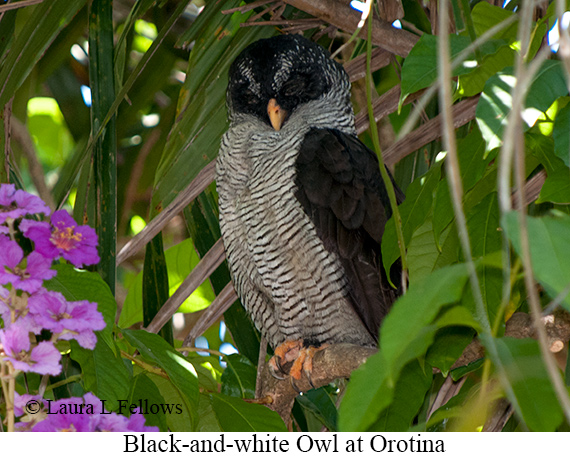
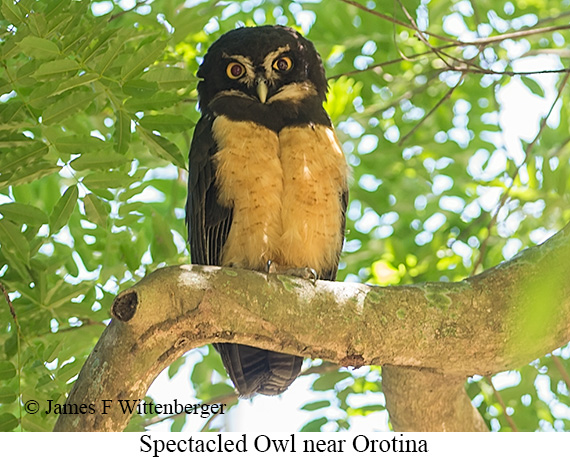
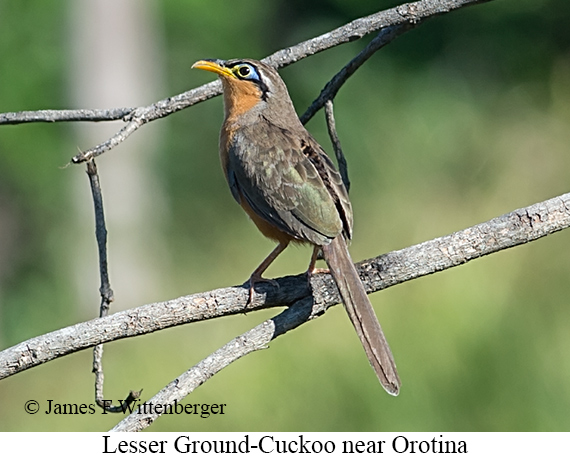
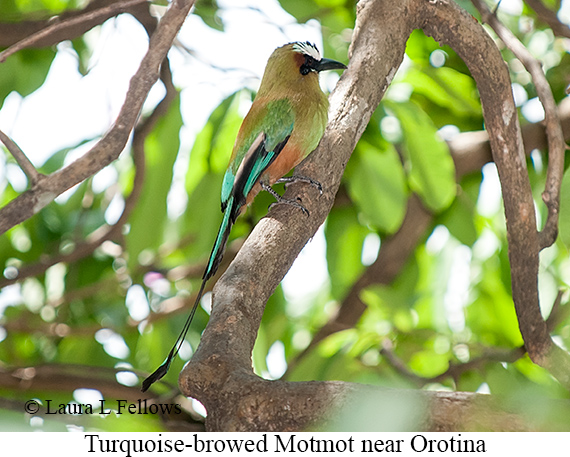
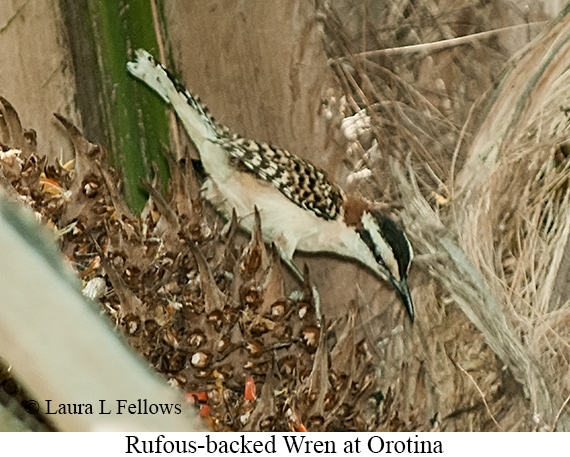
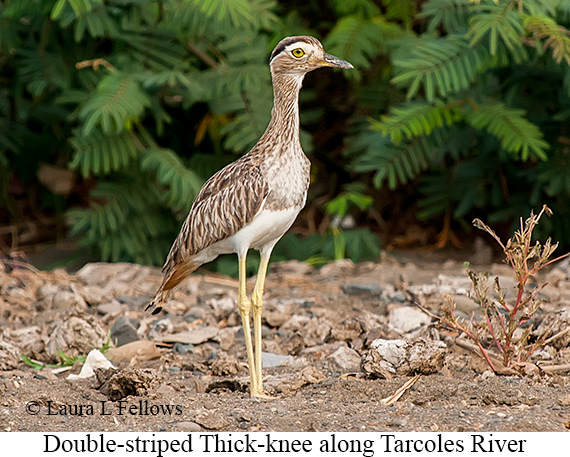
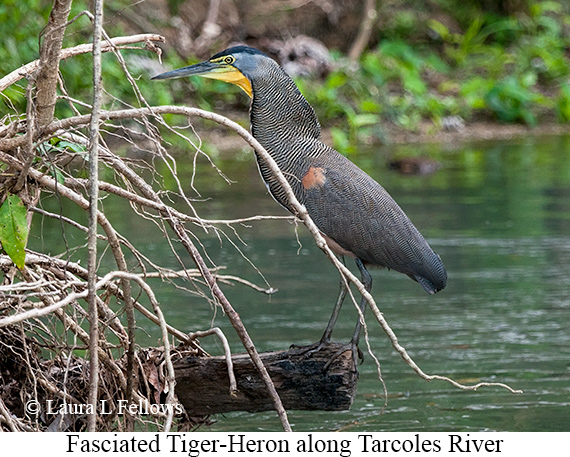
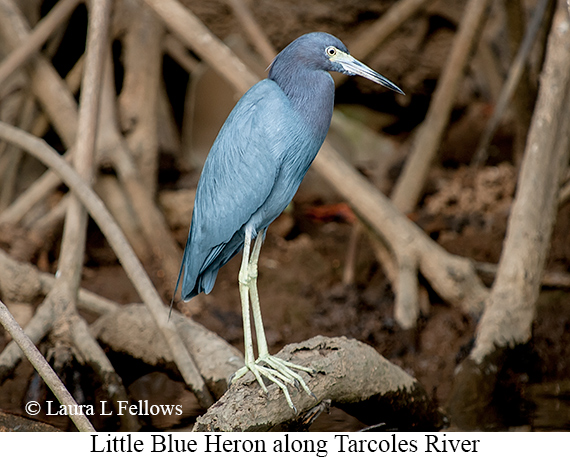
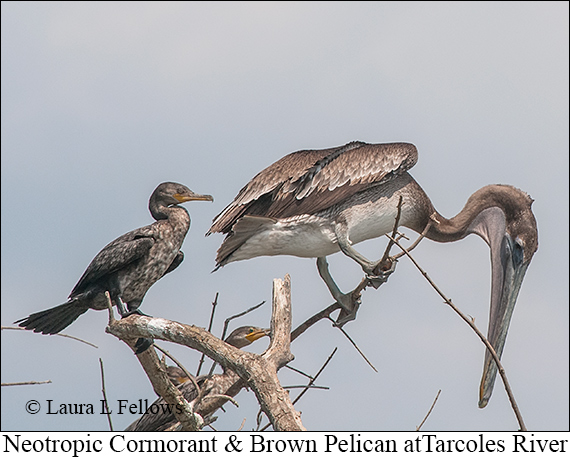
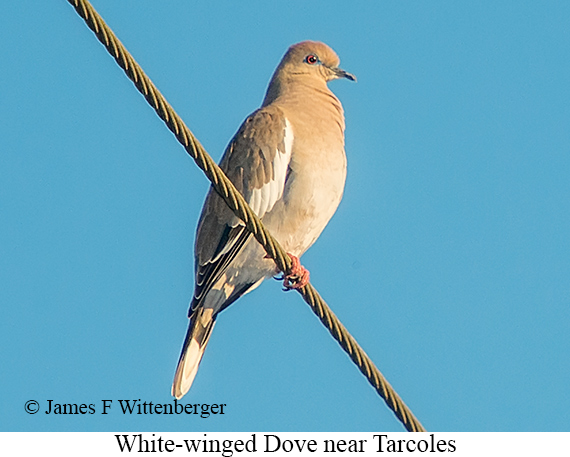
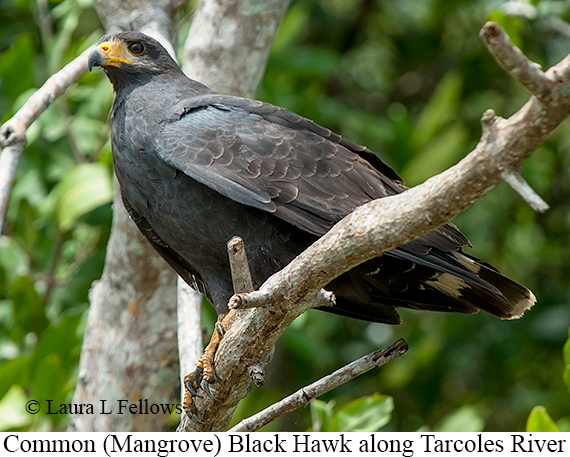
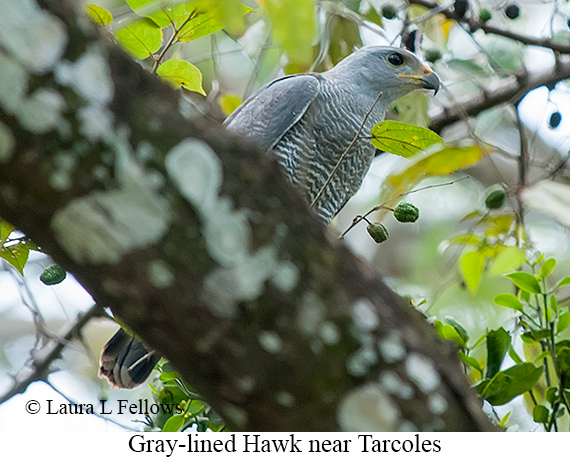
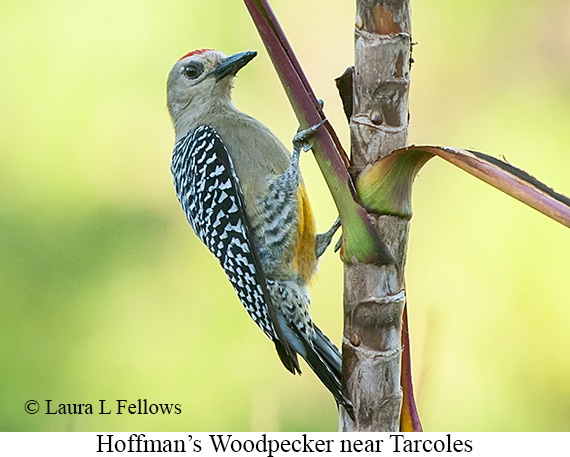
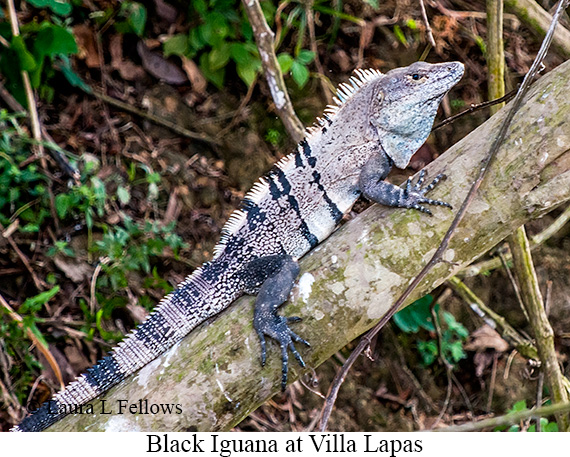
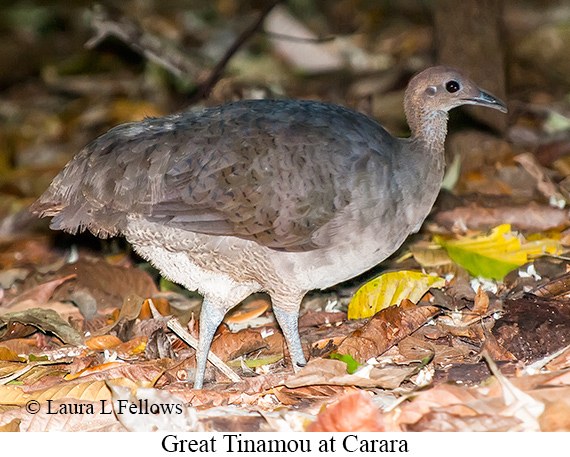
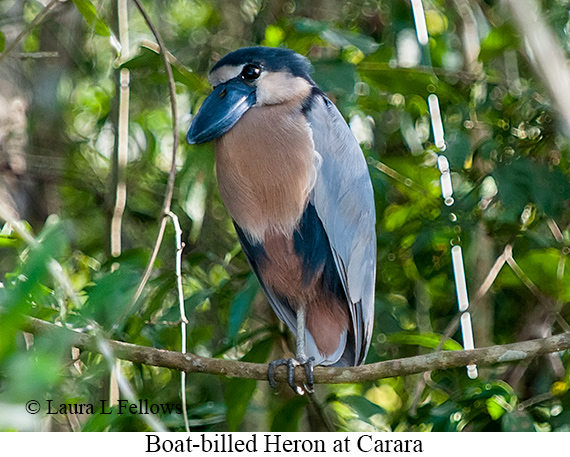
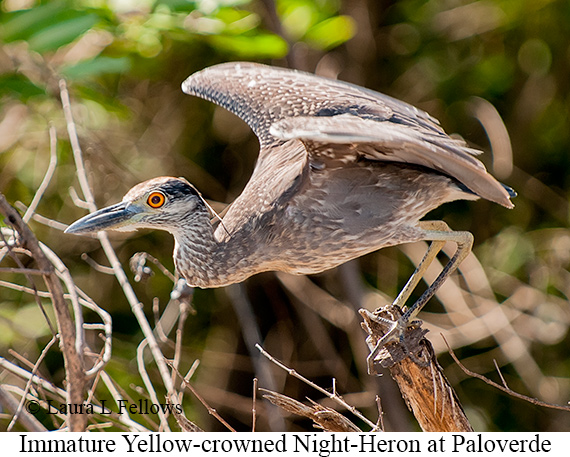
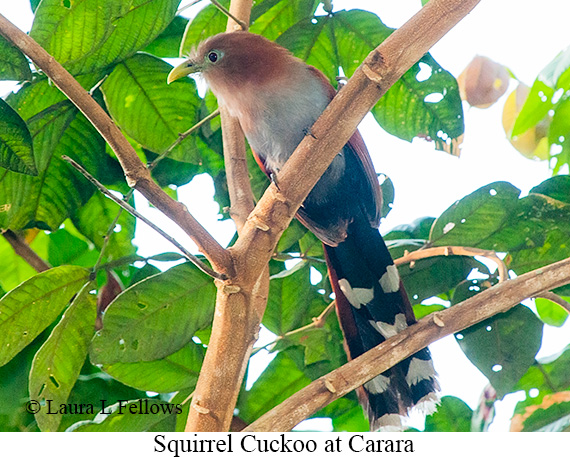
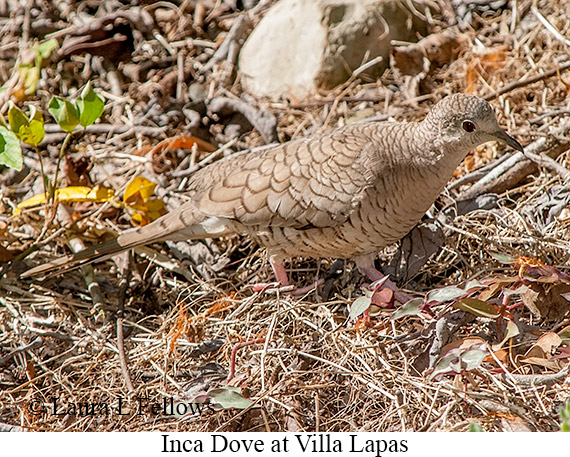
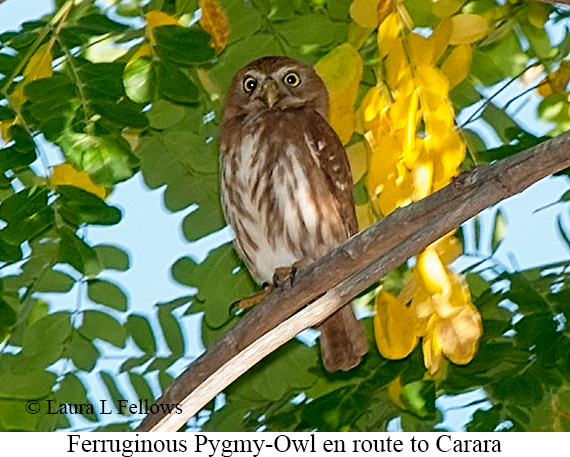
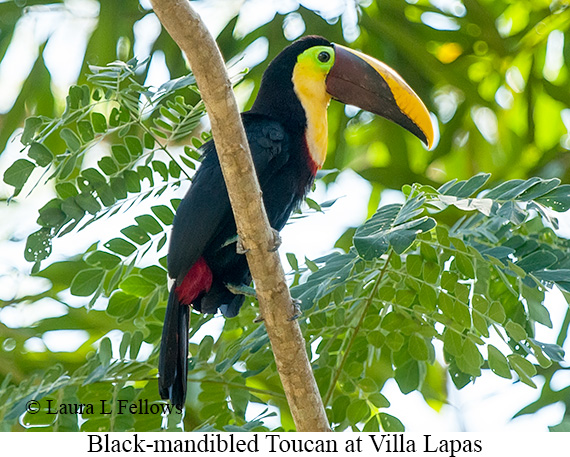
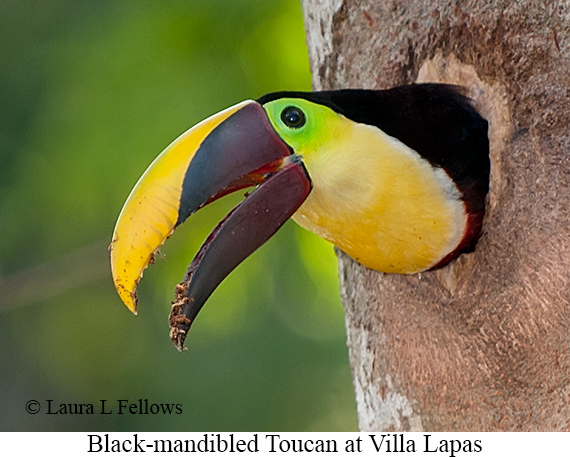
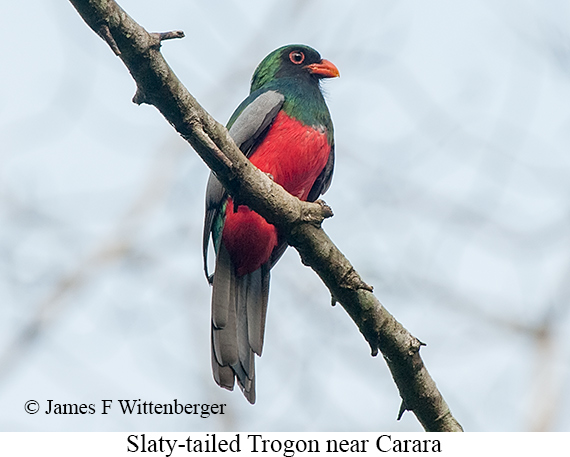

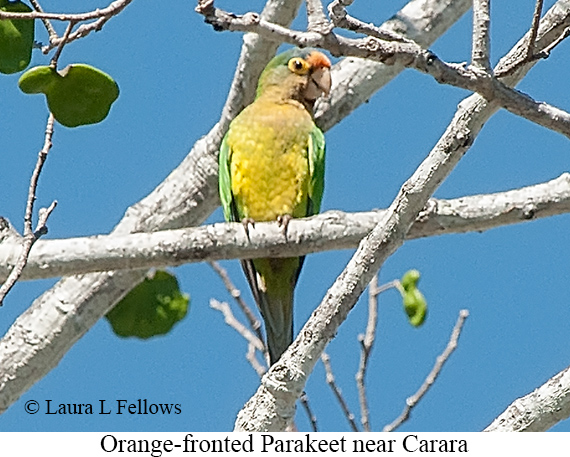
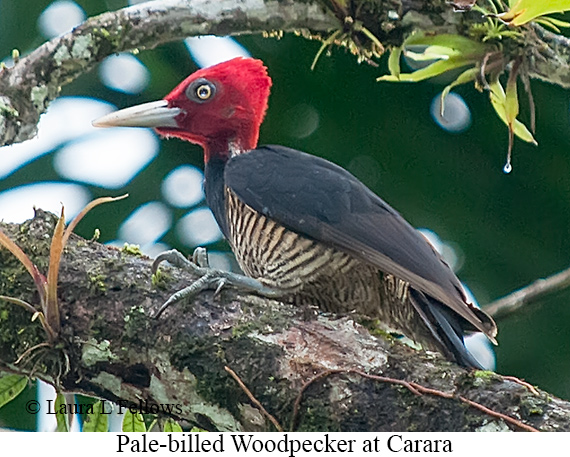
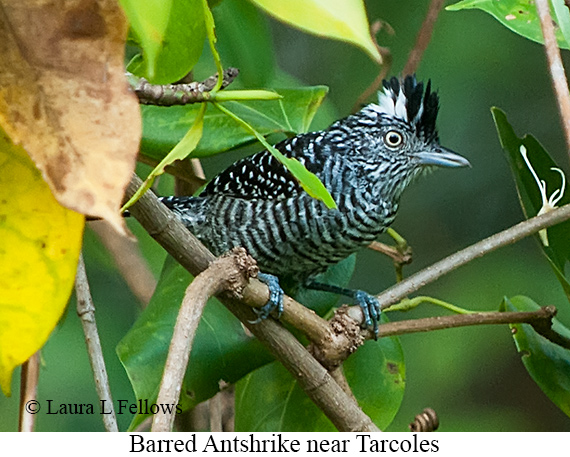
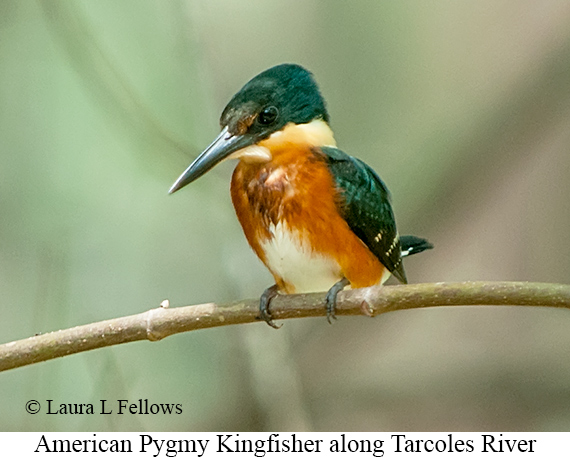
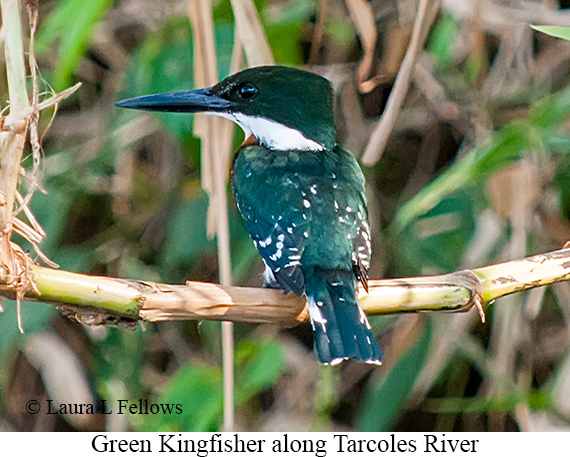
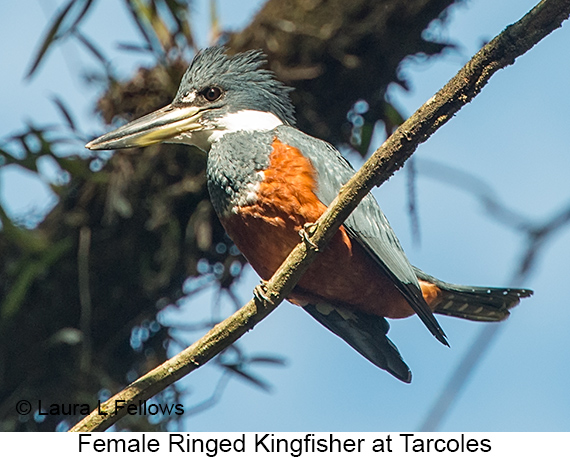
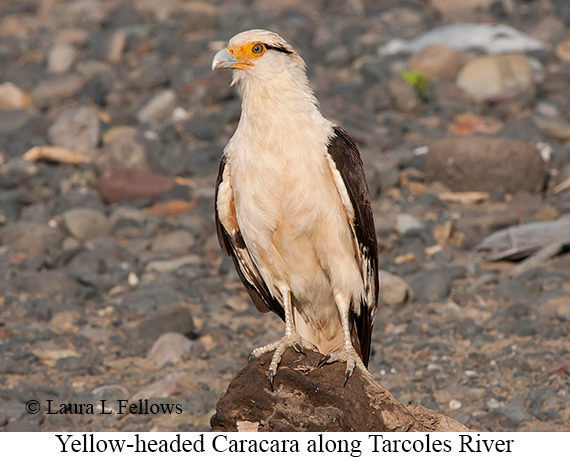
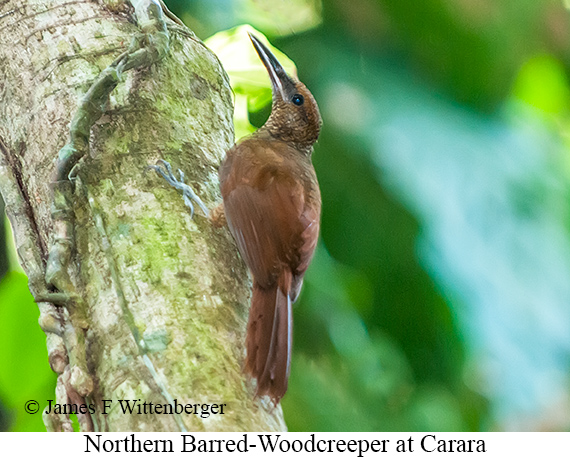
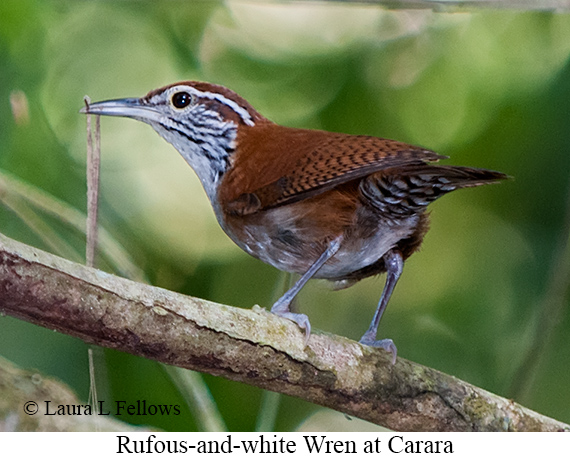
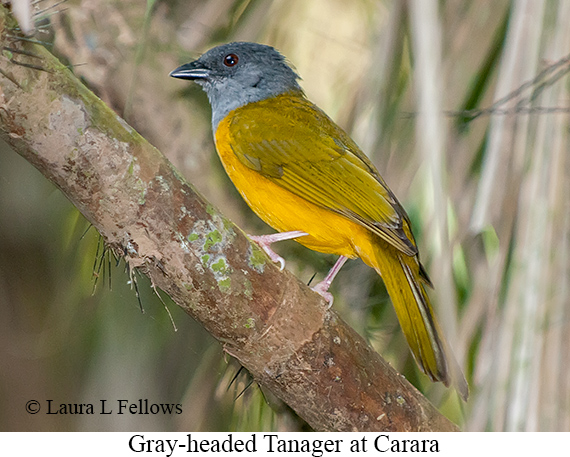
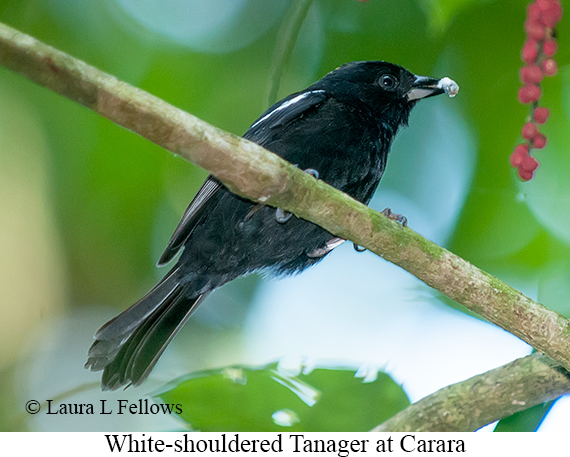
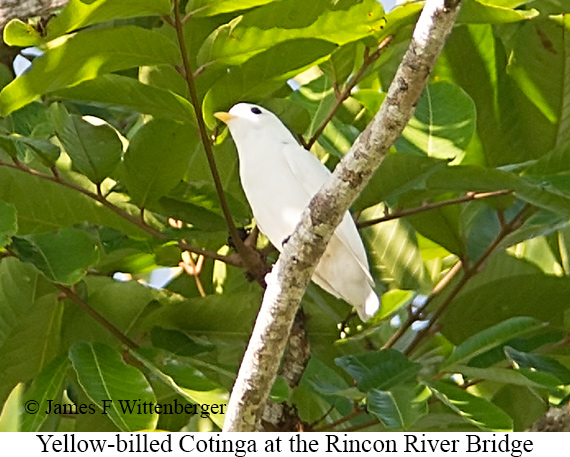
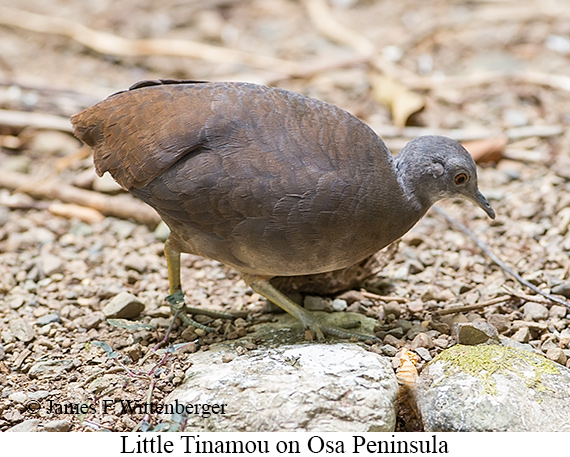
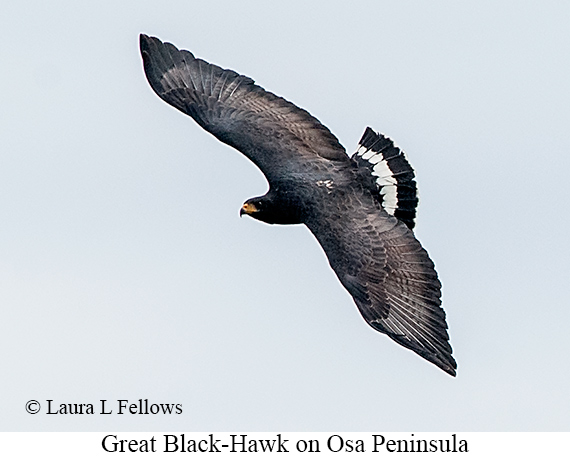
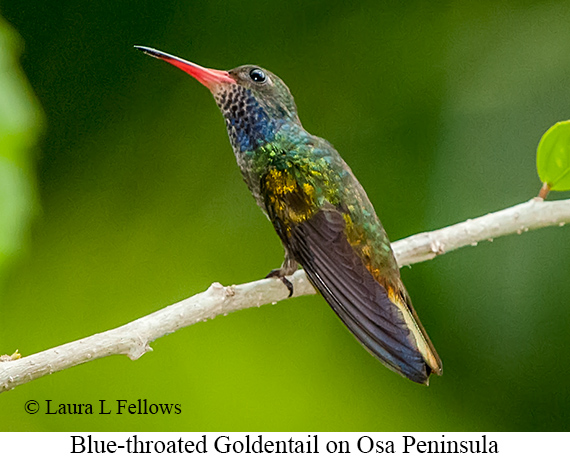
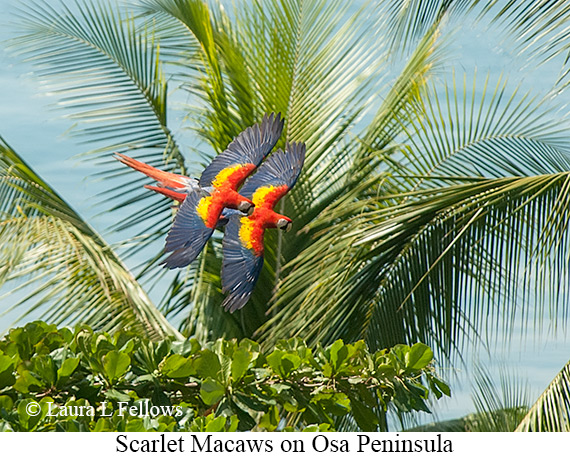
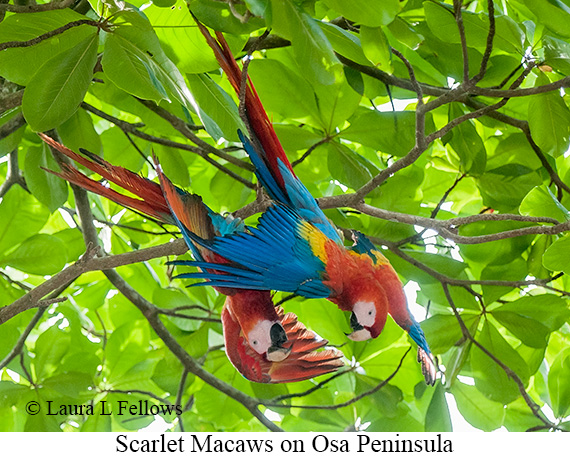
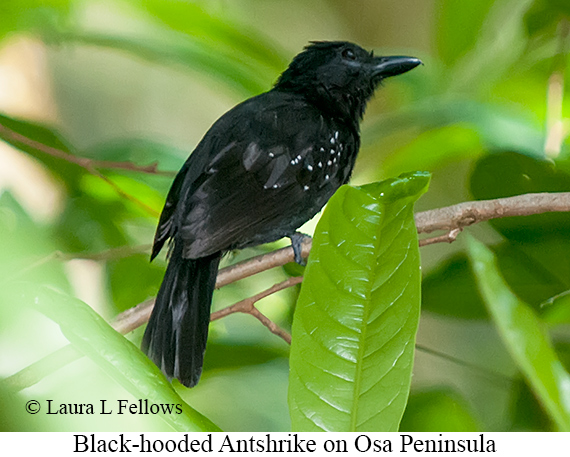
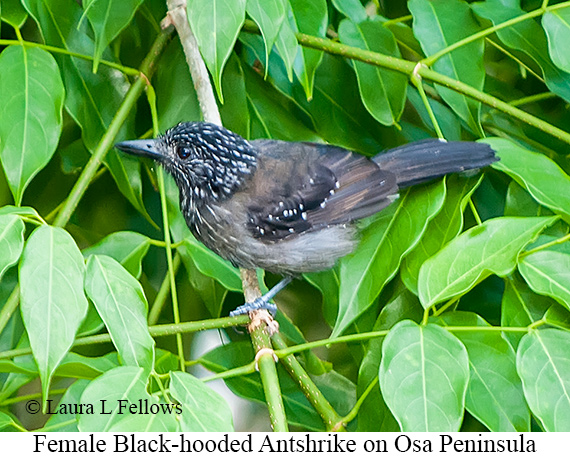
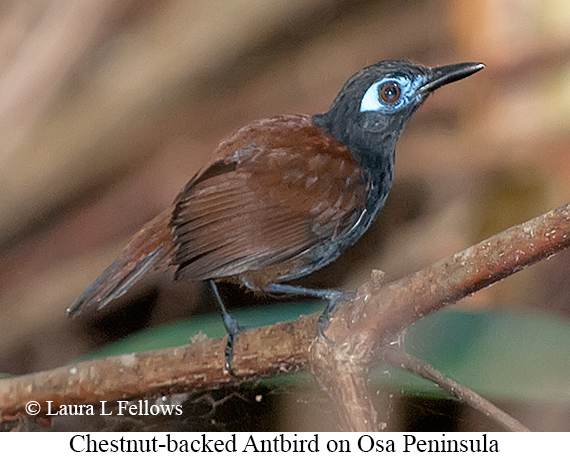
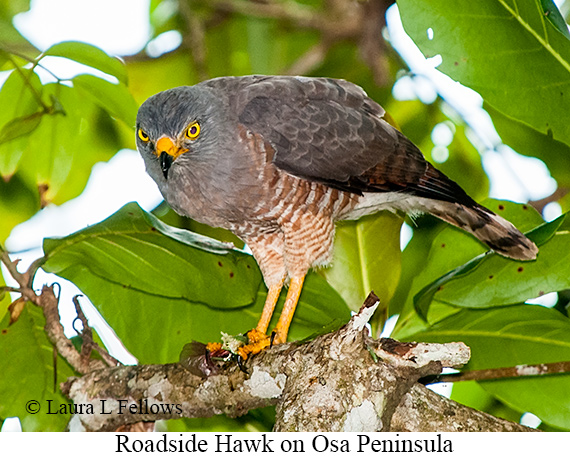
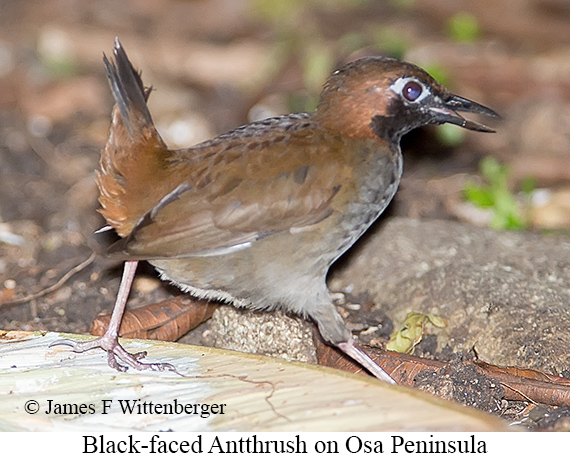
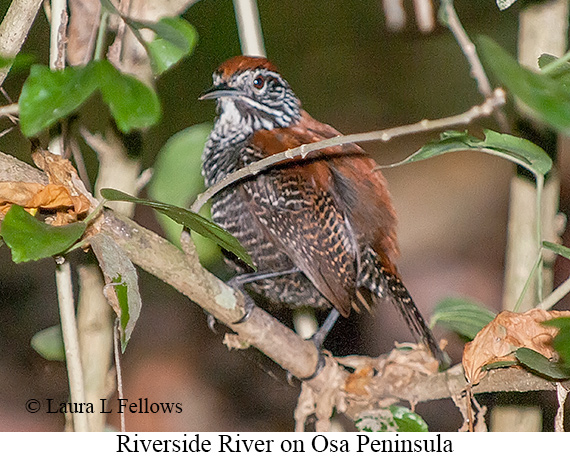
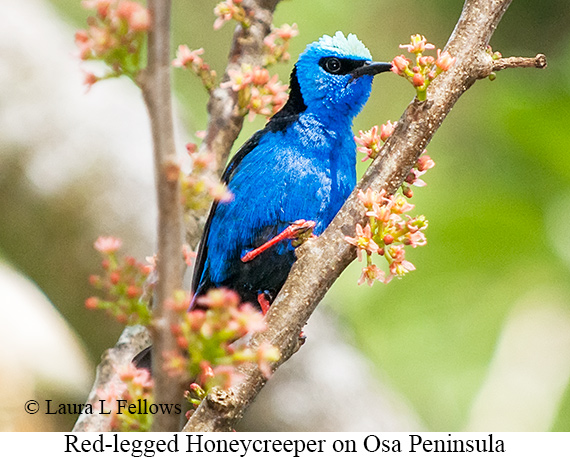
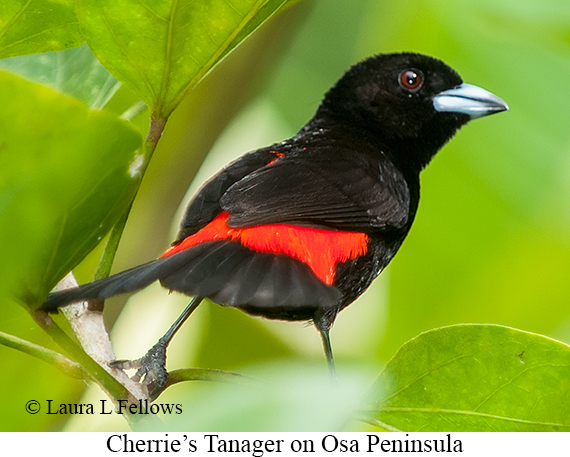
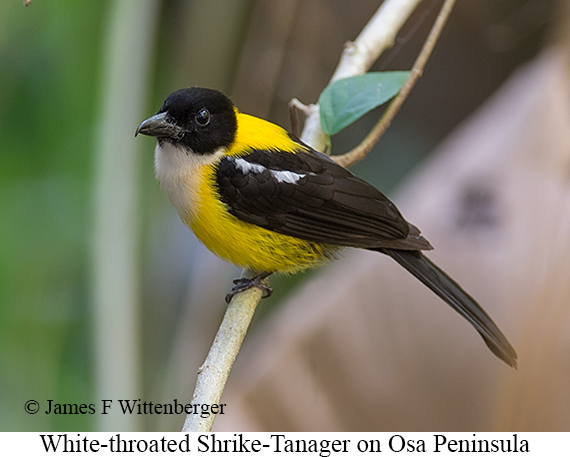
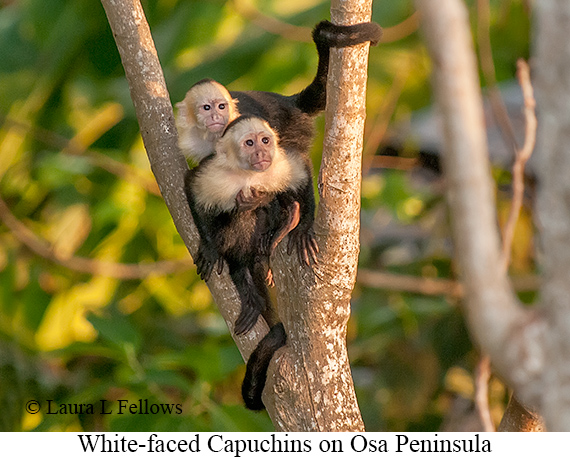
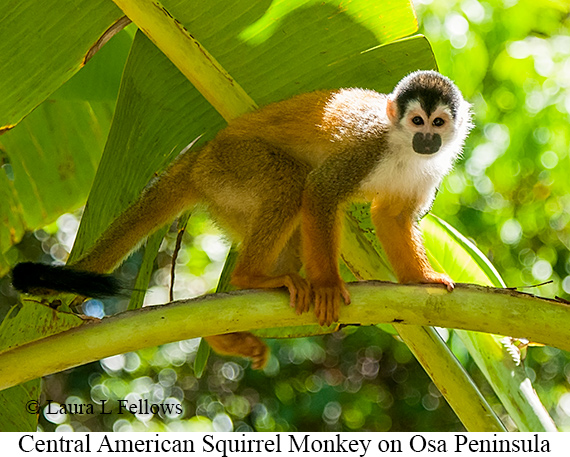
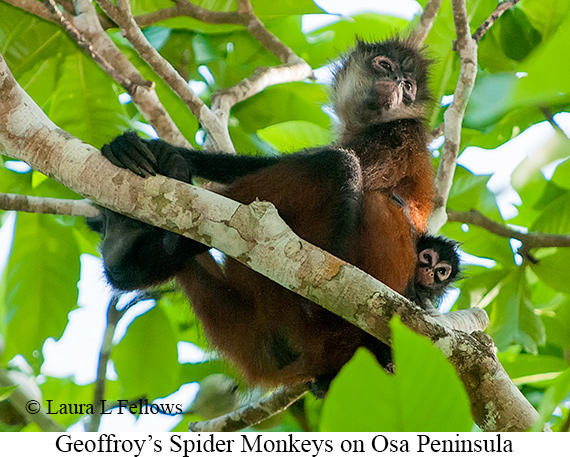
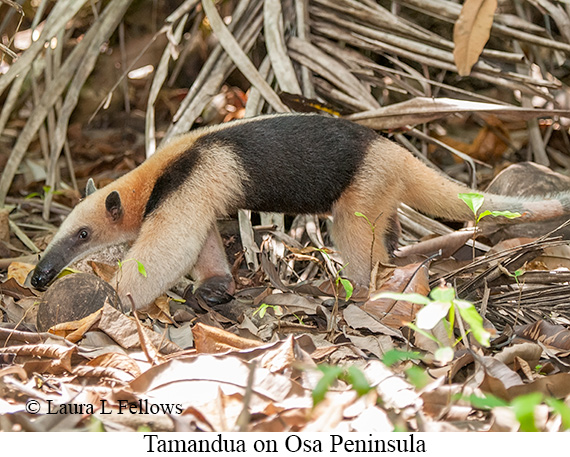
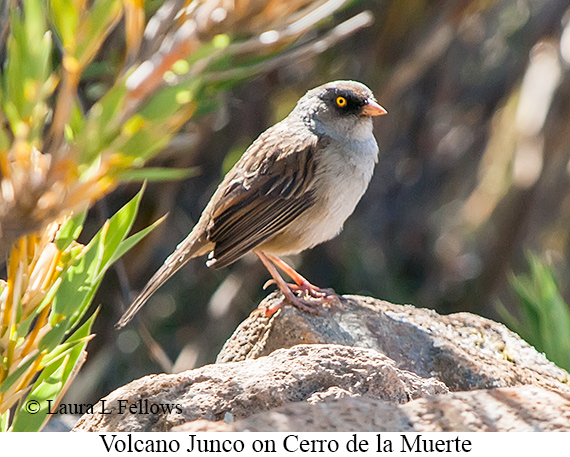
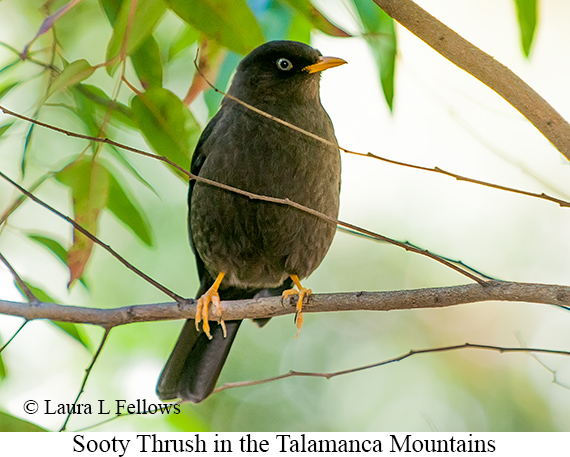
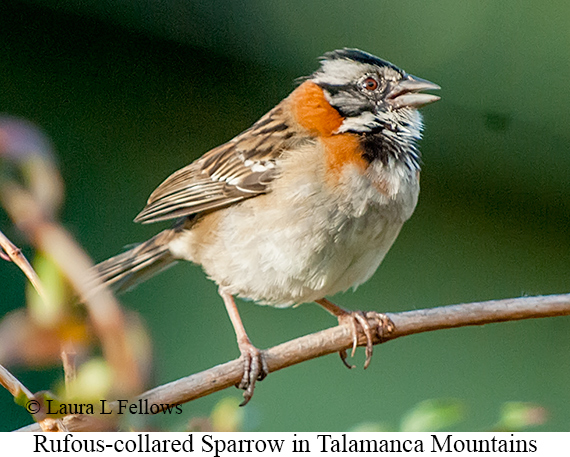
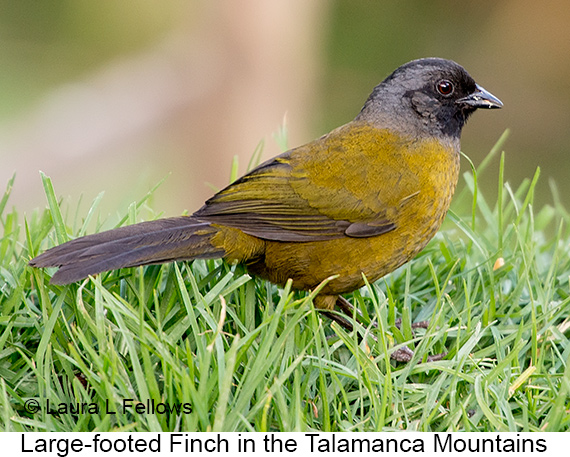
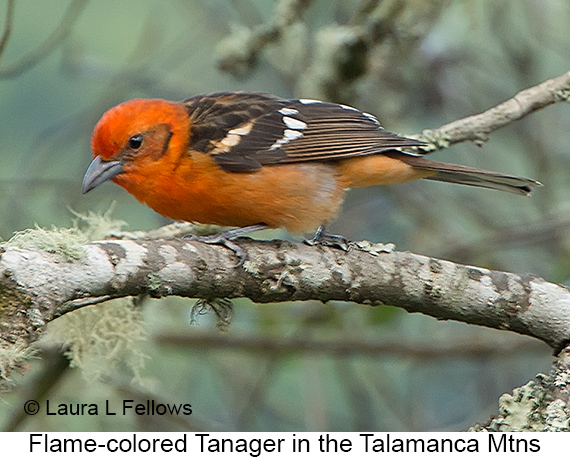
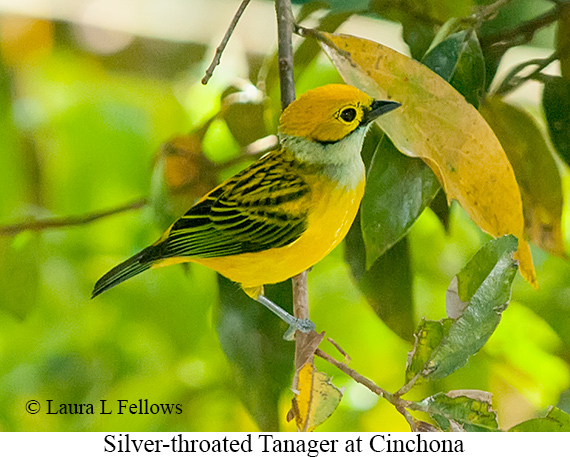
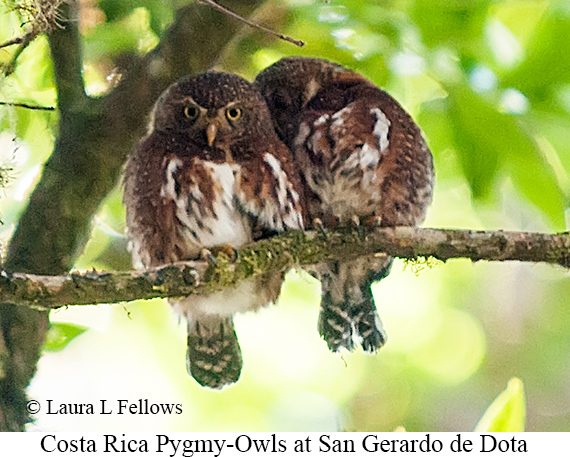
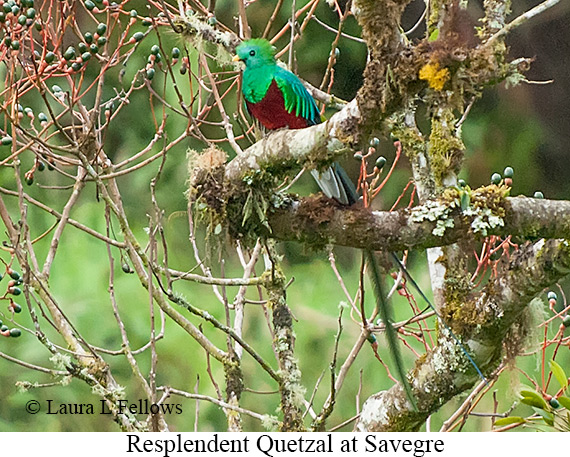
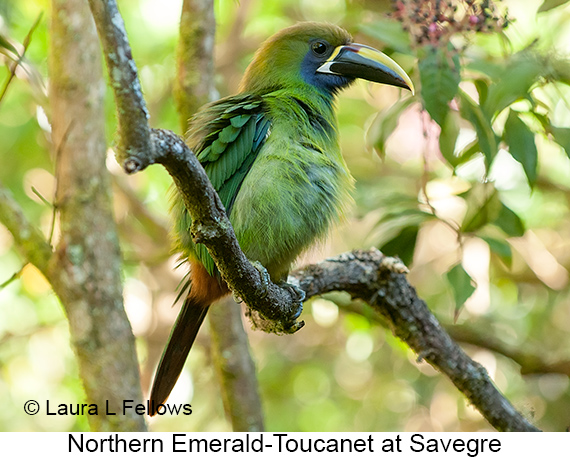
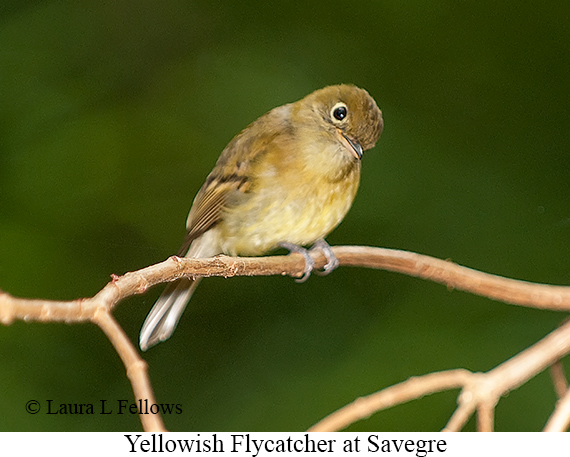
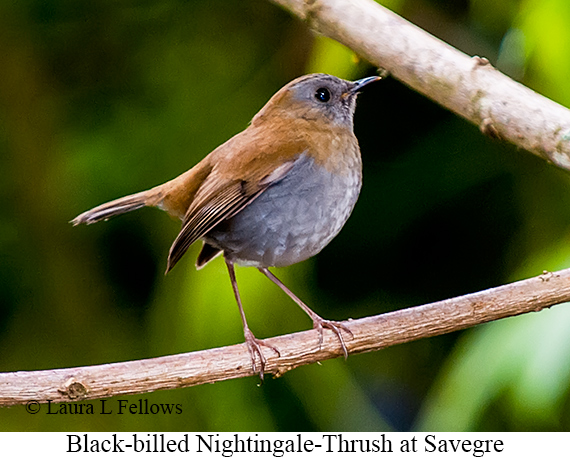
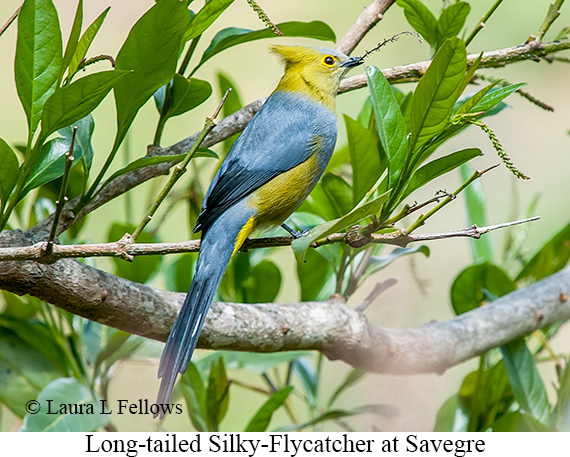
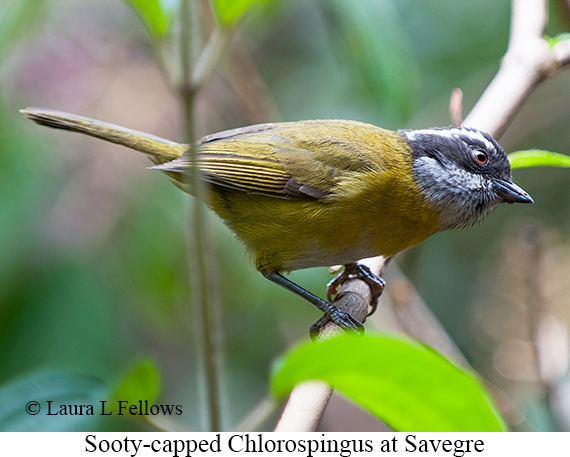
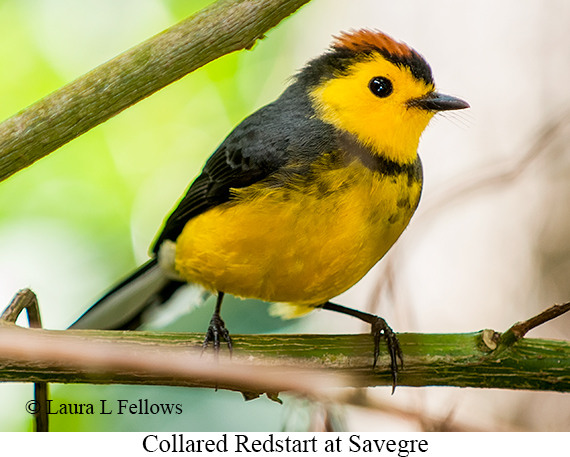
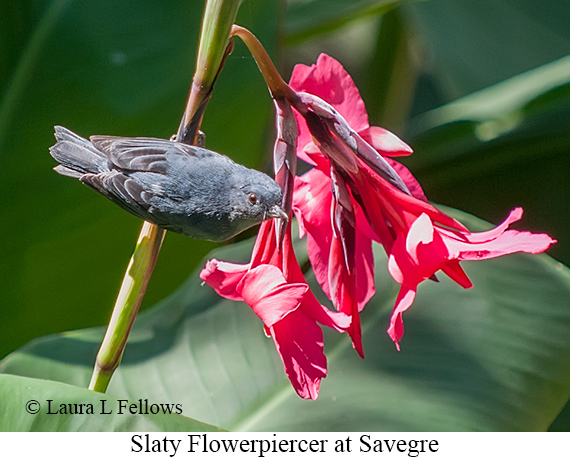
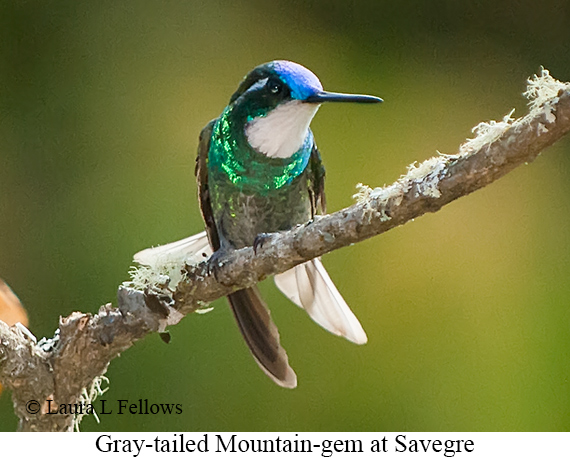
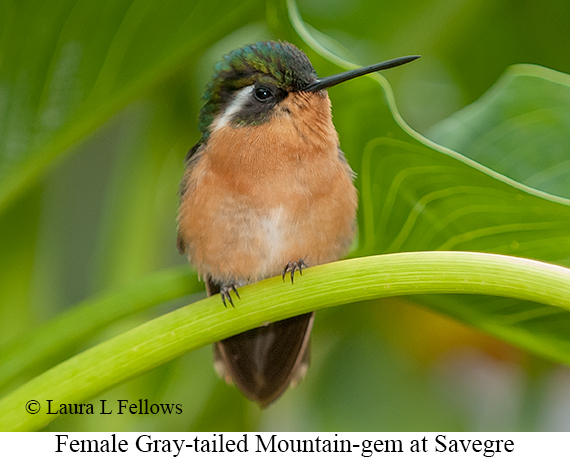
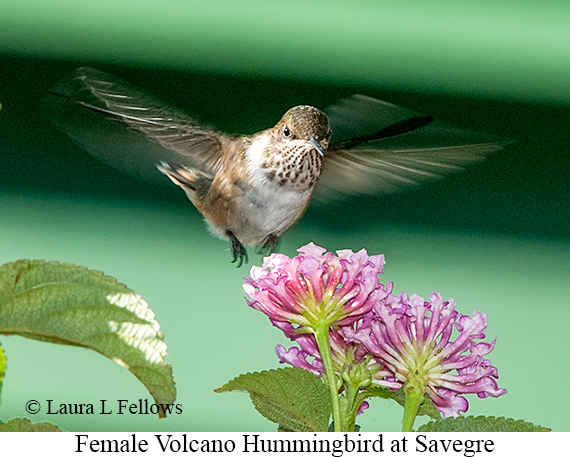
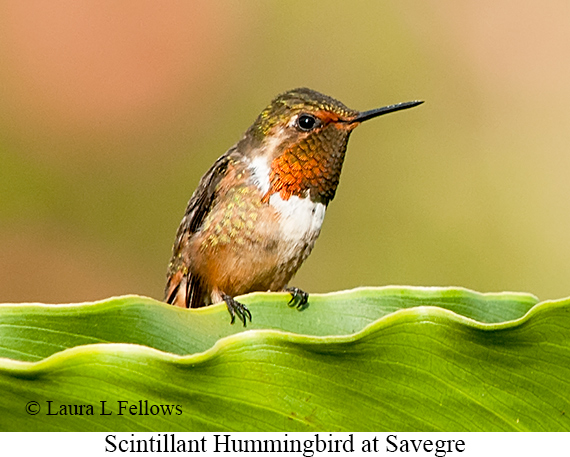
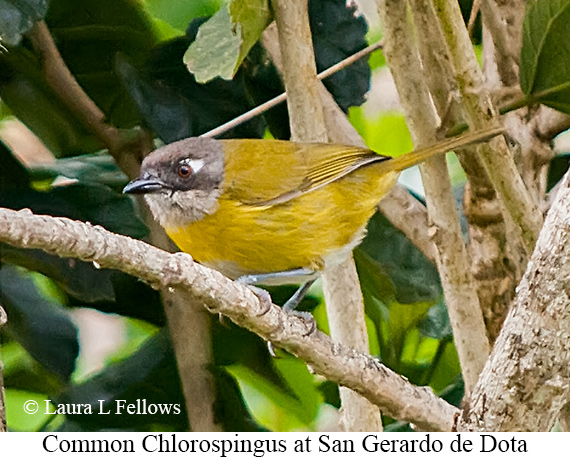
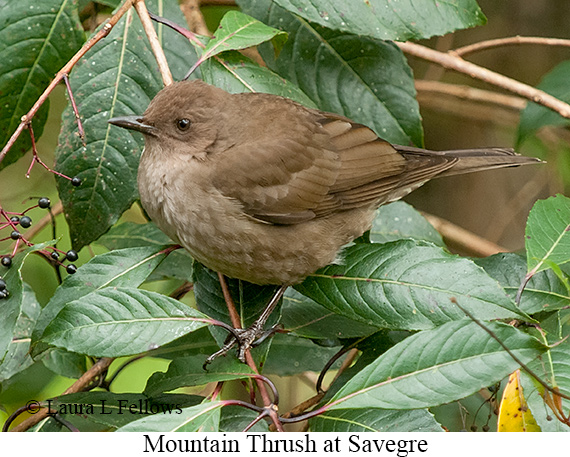
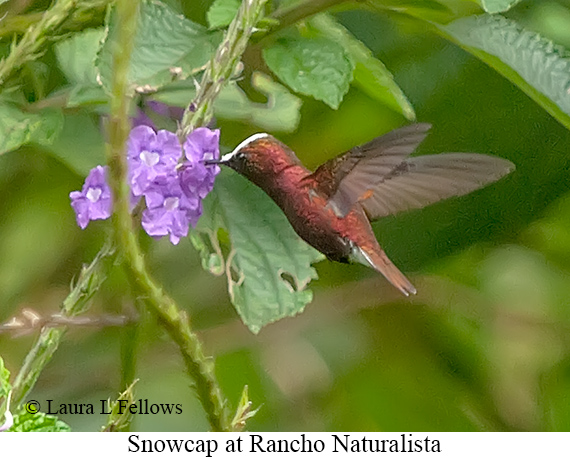
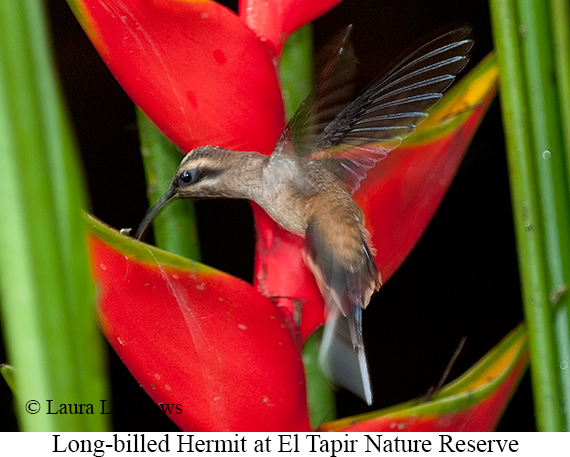
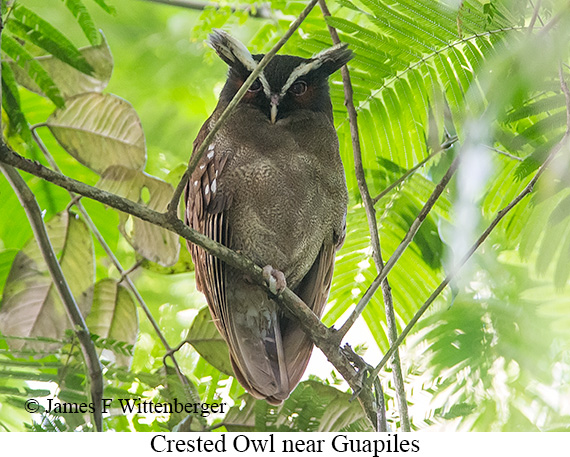
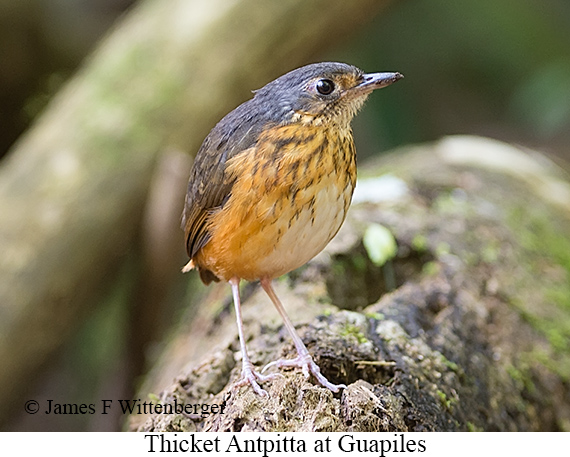
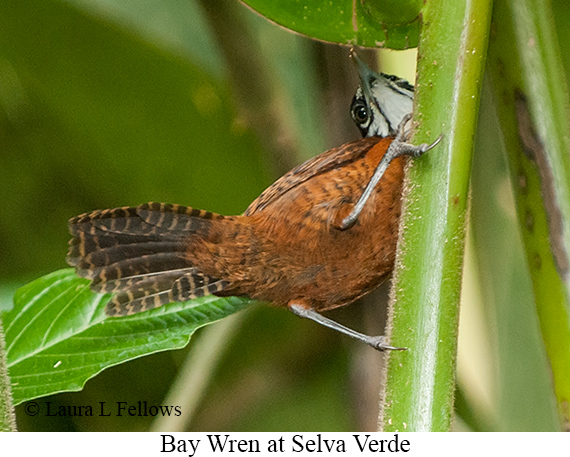
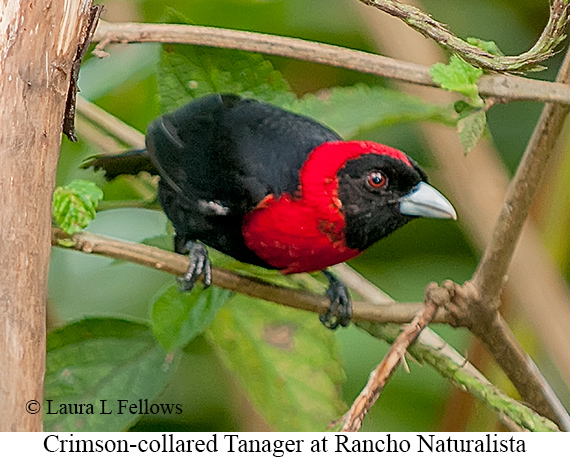
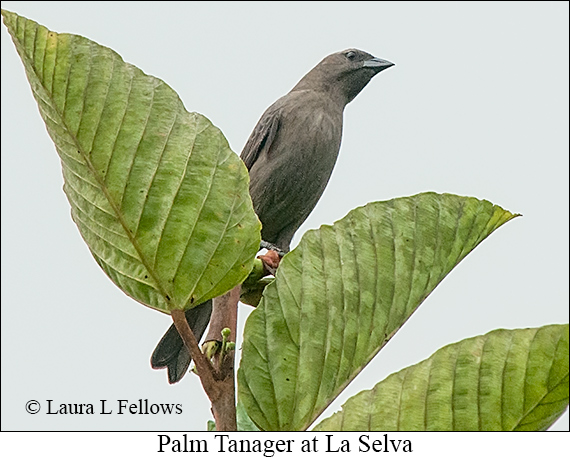
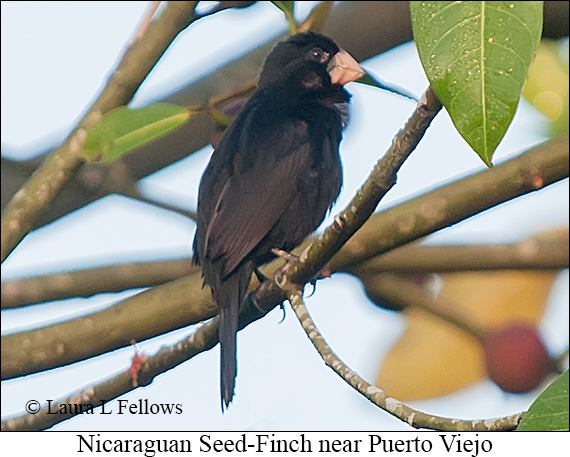
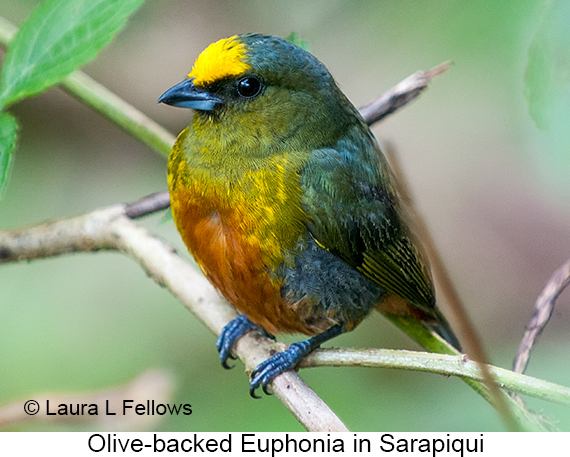
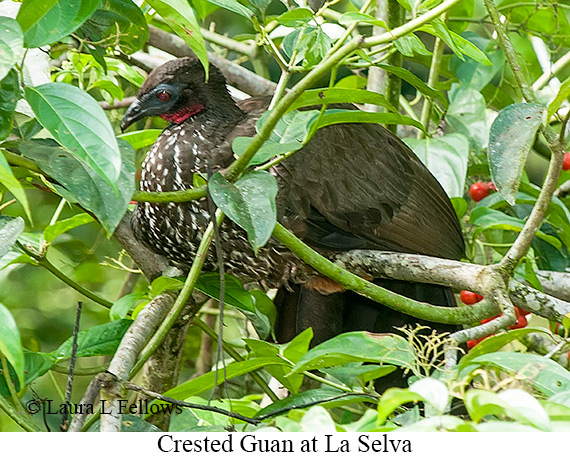
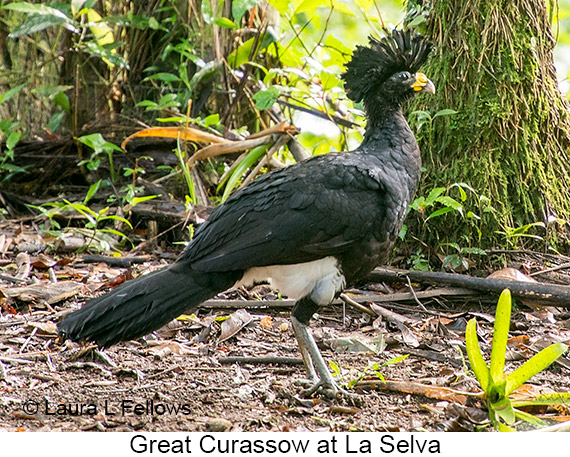
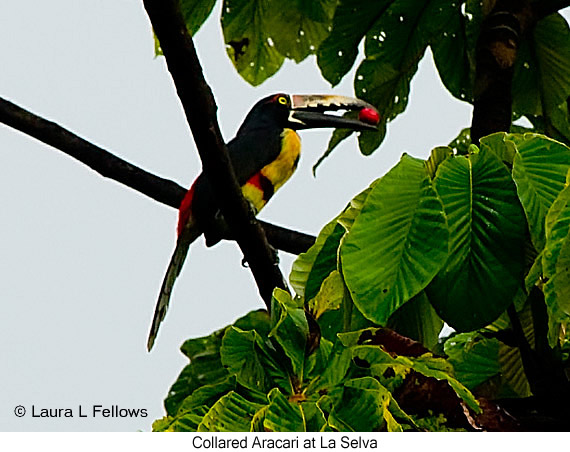
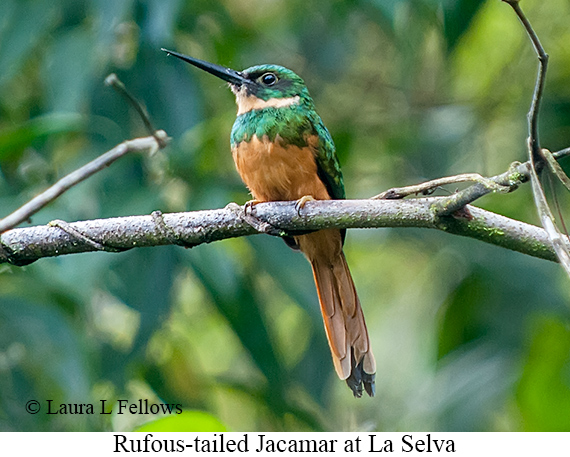
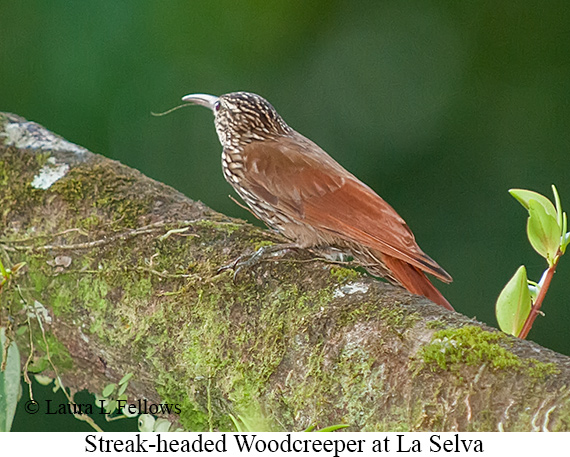
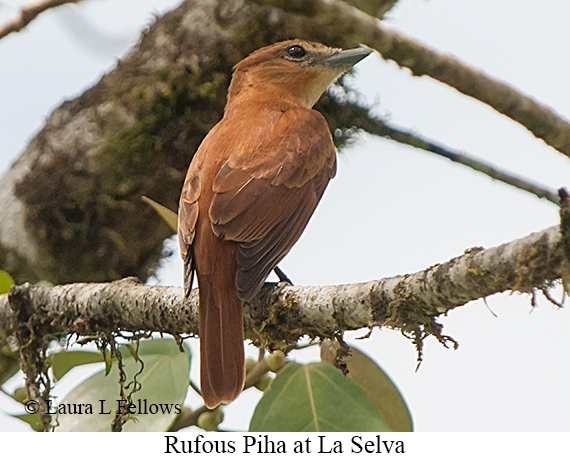
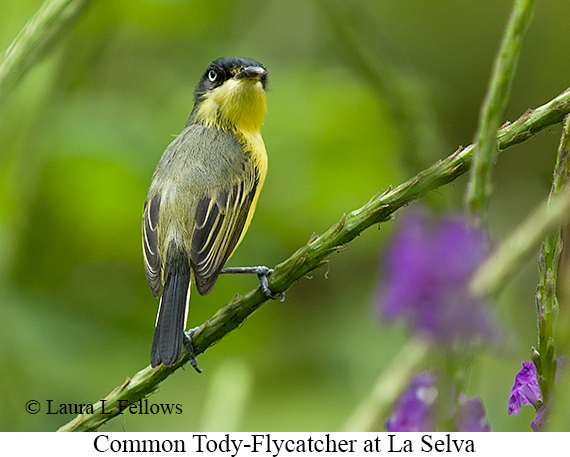
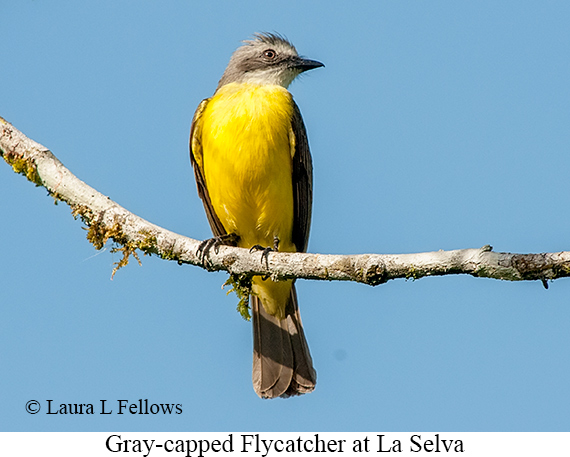
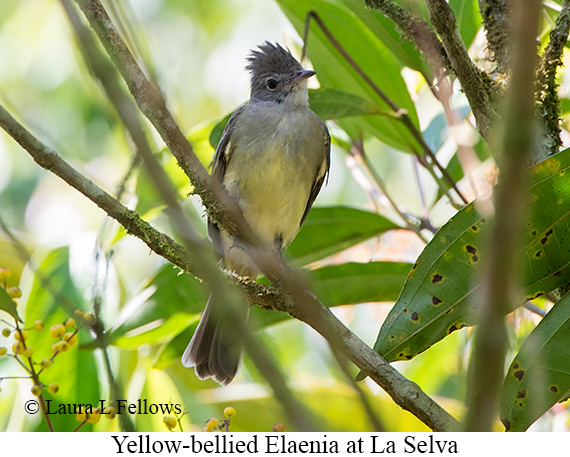
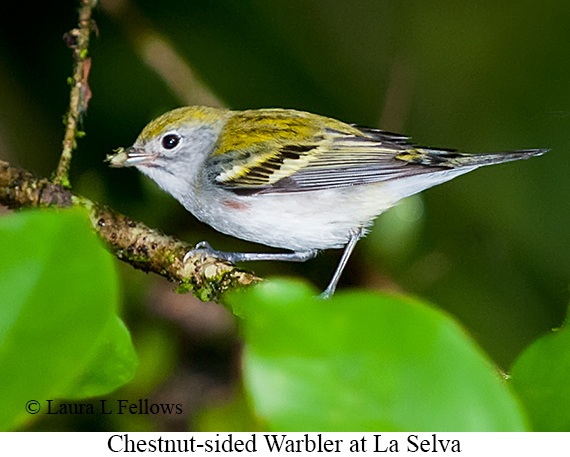
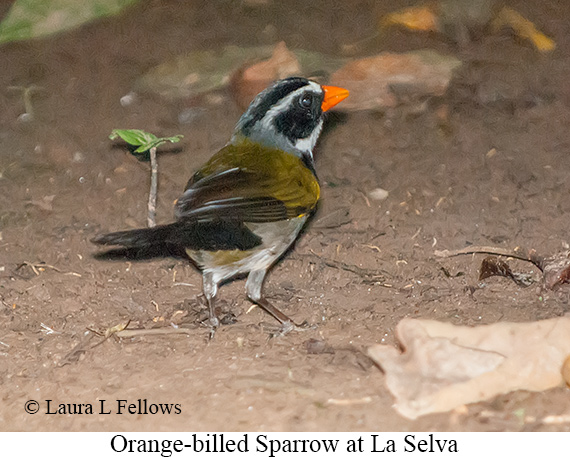
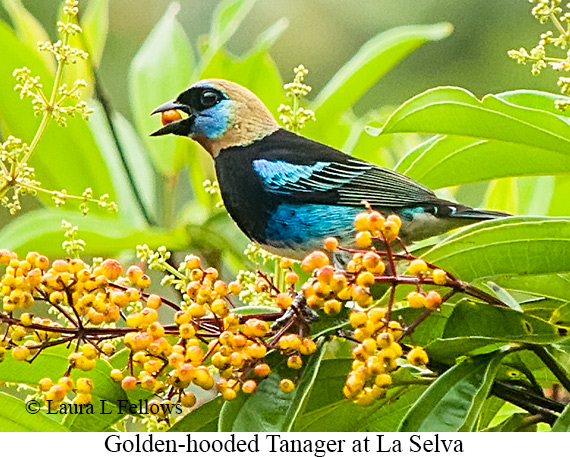
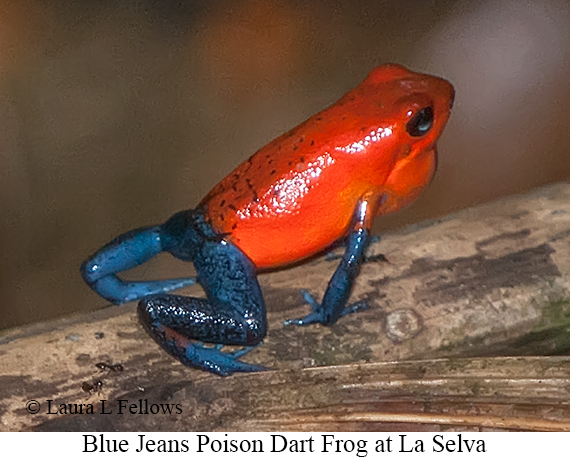
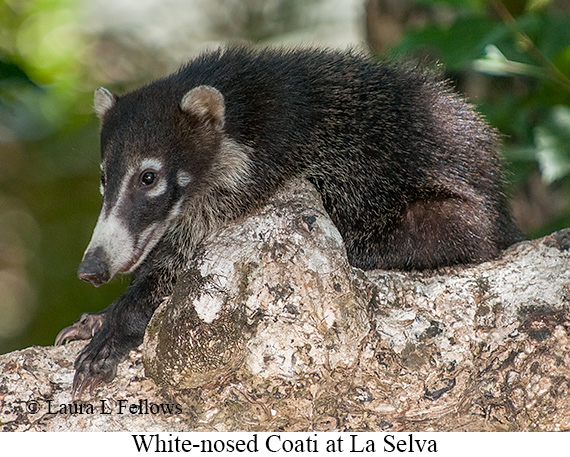
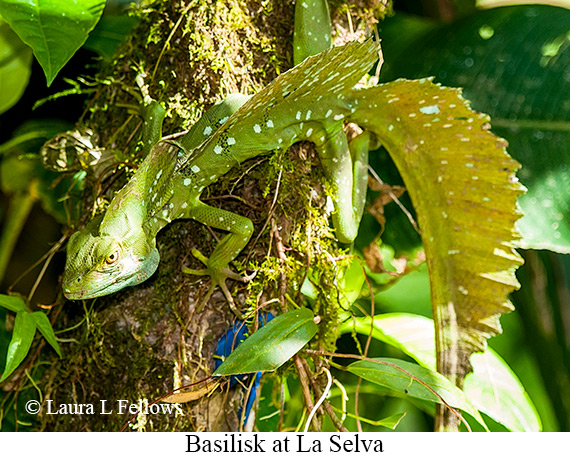
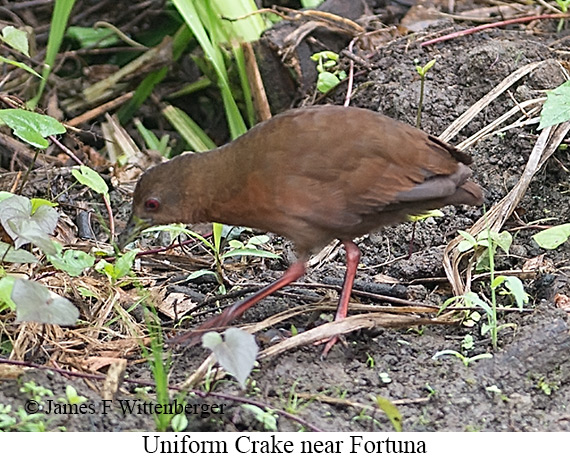
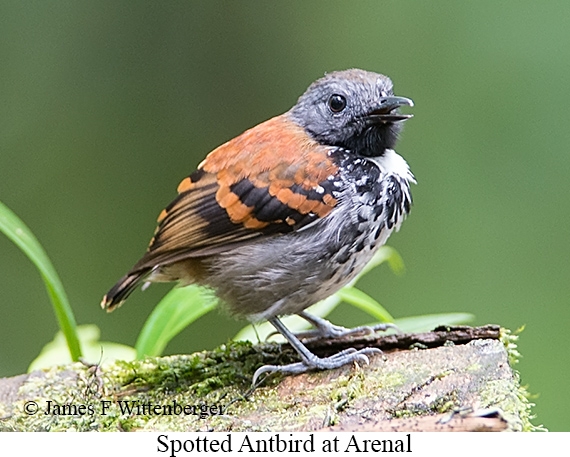
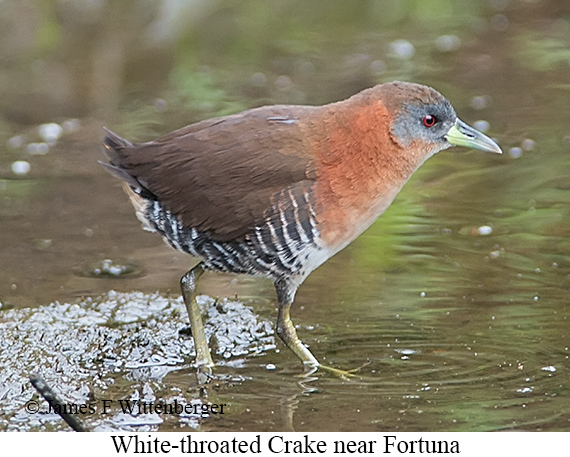
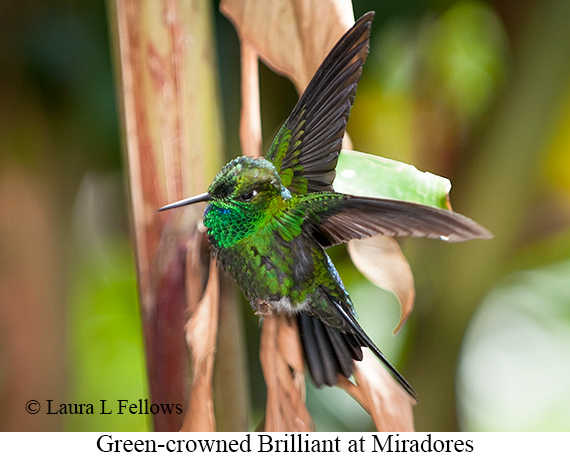
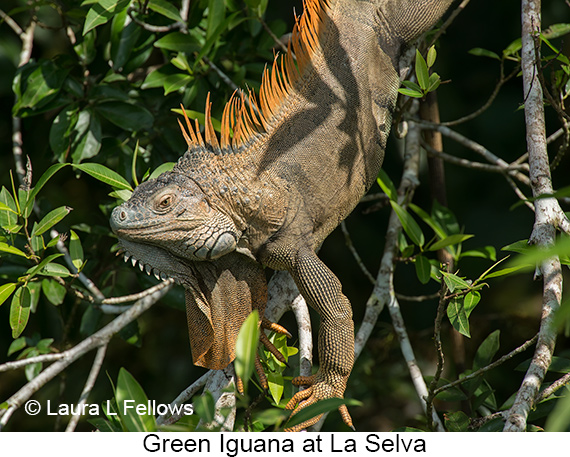
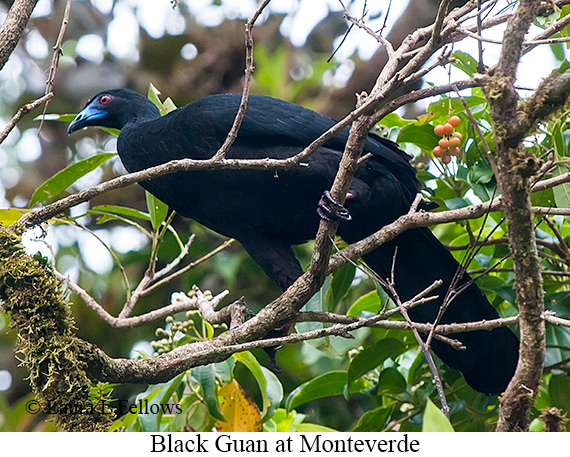
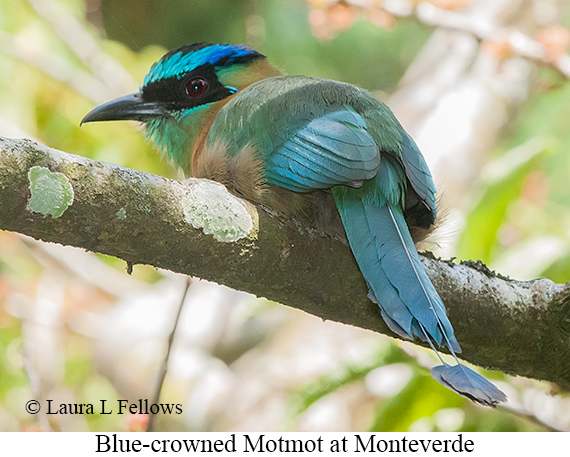
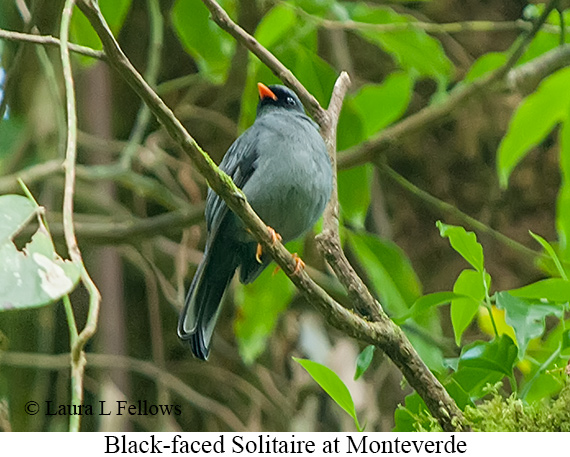
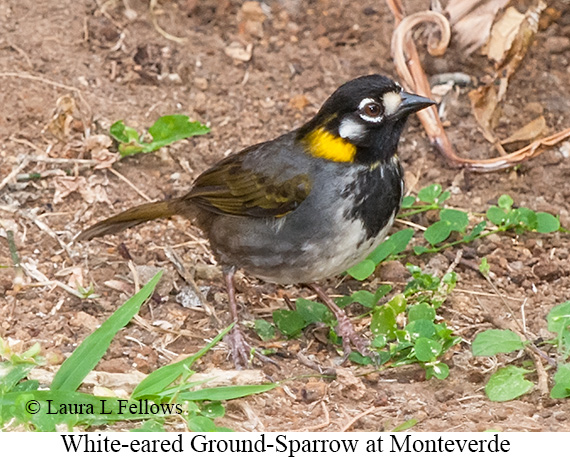
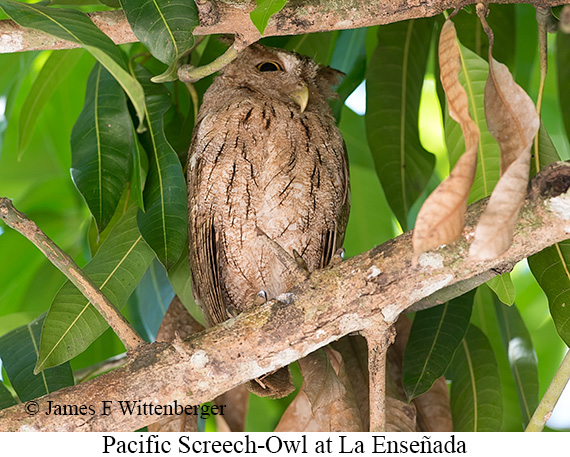
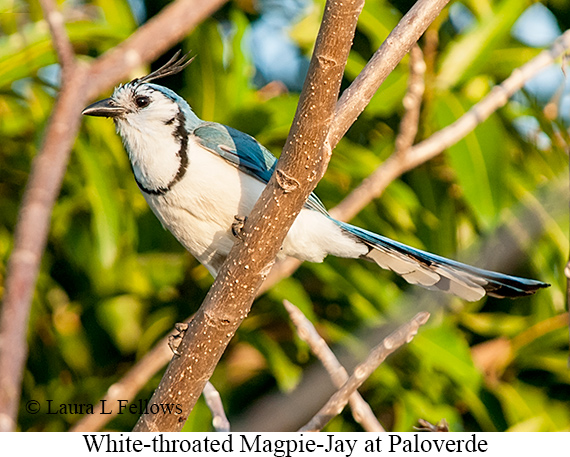
 Our Grand Costa Rica Tour features excellent birding sites in northern, central, and southern Costa Rica. Sites covered include Ceiba-Cascajal Road, Carara National Park, Osa Peninsula, La Camba Road through Piedras Blancas National Park, Wilson Botanical Gardens near San Vito,, San Gerardo de Dota, the Talamanca highlands, Reserva El Copal, Hotel Quelitales grounds, La Selva Biological Station, Arenal Observatory Lodge, Monteverde, and La Ensenada. The tour has the potential of recording over 500 species in 16 days. The best time to take this tour is during early dry season from January-March. During this time birds are in full breeding plumage and are most active. Accommodations are good to excellent throughout the tour.
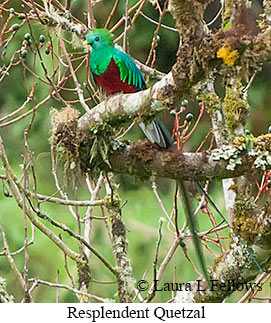
The tour begins, with a transfer from our hotel near the international airport to the Pacific lowlands where we'll spend much of the morning birding along the productive Ceiba-Cascajal Road through dry forest and open areas. During a two night stop at Cerro Lodge, a full day will be devoted to birding nearby Carara National Park. A transfer south that includes a couple birding stops takes us to Osa Peninsula and Danta Corcovado Lodge near the Yellow-billed Cotinga Reserve and Corcovado National Park. Two full days birding these southern lowland forests is followed by a transfer to the Talamanca highlands including Cerro de la Muerte and San Gerardo de Dota.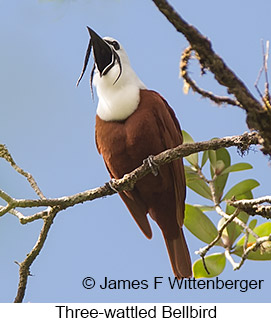 One morning will be devoted to seeking Resplendent Quetzals at Paraiso Quetzales followed by an afternoon birding highland areas above our lodge. We then continue on to a productive forest site full of tanager species at Reserva El Copal. We'll spend that night and the following morning at nearby Hotel Quelitales where over 70% of all hummingbird species in Costa Rica occur. From there we move on to the Sarapiqui area for a morning of birding on the Caribbean middle elevation site at La Selva Biological Station. We then proceed north to Arenal Observatory Lodge located adjacent to Arenal National Park. After birding the productive forest there, we move on to the middle elevations of the Pacific slope at Monteverde. We'll depart early to look for some secretive crakes and bird a nice trail through dry forest at a private reserve near Fortuna. That afternoon we'll be birding at Selvatura Reserve, best site for seeing Three-wattled Bellbirds. We'll spend the following morning birding nearby Monteverde Cloud Forest Preserve. Our last stop will be La Ensenada Reserve, where we'll spend an afternoon and following morning birding dry scrub and open forest before returning to Alajuela and end of the tour.
Tour Considerations
PACE - The pace of this tour is easy.
DIFFICULTY - Birding during the tour is along roadsides and mostly relatively flat trails. There are some moderately steep trails through the forest at Arenal Observatory Lodge and Monteverde. Much of the birding at Selvatura is along an easy canopy walkway. The optional trail in Arenal National Park that leads down to the river is quite steep so it's not usually included on the tour itinerary. One higher elevation site is included at Cerro de La Muerte, which reaches about 3450 m (11,300 ft) at the radio towers.
CLIMATE - Rainy season is during May-June and September-November. A mini dry season occurs during July-August. Temperatures in the lowlands are generally warm but comfortable except in the south, where days can be very hot beginning in late March. For this reason the best months for birding are January and February. In the Talamanca Mountains, temperatures are moderate with cool nights.
BIRD ACTIVITY - Breeding activity of birds in Costa Rica is best from December through April. One of the key species, Resplendent Quetzal, is in nesting holes and less frequently foraging during April but with patience can still be seen. The mini dry season during July and August can also be good for birding, though the quetzals and other species are not in their best plumage during those months.
PHOTOGRAPHY - Photo opportunities at bird feeders is quite good at several of the lodges. Getting photos of the quetzals and other forest birds is generally easy with a little patience except along the Headquarters Trail in Carara National Park that goes through primary rainforest.
ACCOMMODATIONS
We'll be staying in comfortable, moderately priced hotels except on the Osa Peninsula and at Bijagua and La Ensenada, where we'll stay in comfortable ecolodges.