



TARAPOTO-CAJAMARCA TOUR
Tour Overview

PERU
BIRDING TOUR
ANY TIME*
| Duration: | 14 days, 13 nights |
| Group Size: | 2-4 |
| 2-3 Price: | $6300 |
| 4+ Price: | $5950 |
| Single Suppl: | $400 |
| Est #Species: | 525-575 |
| Pace: | Easy |
| Difficulty: | Easy/Moderate |
| Best Time: | April-October |
| * This tour is available for any dates of your choosing provided guide services and accommodations are available. | |

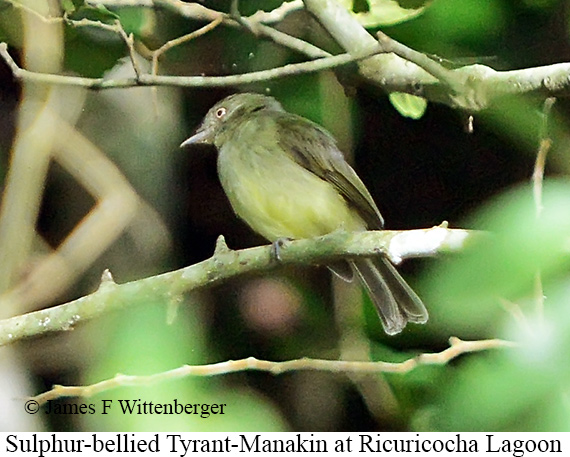
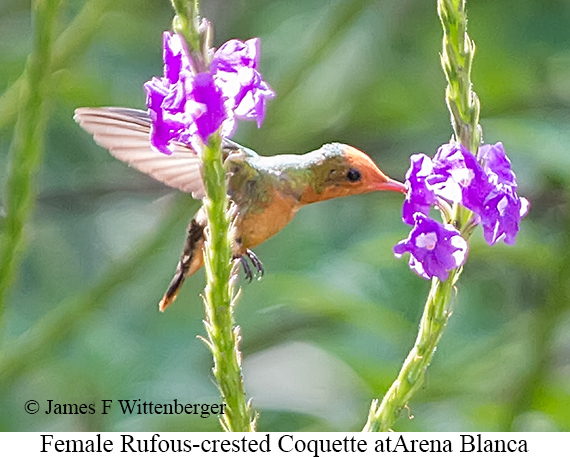
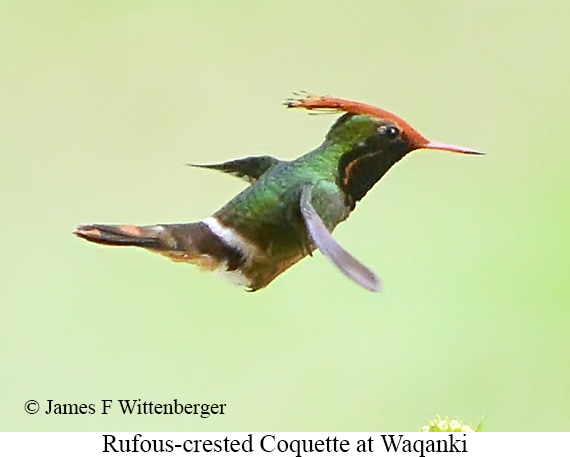


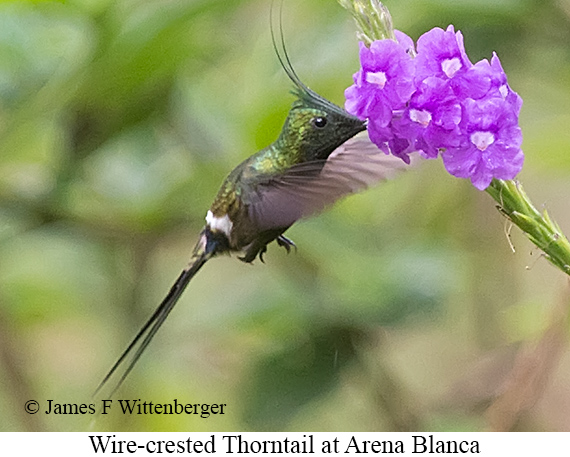
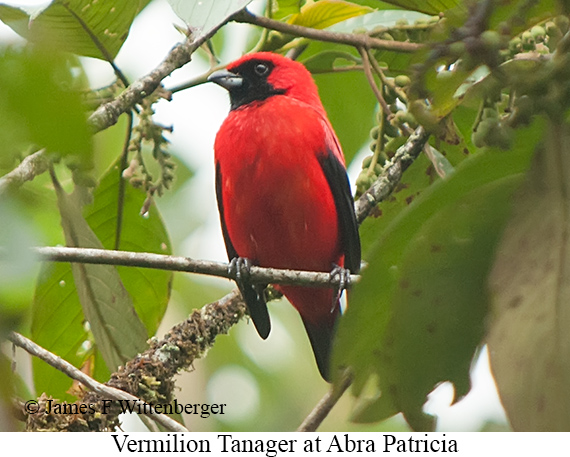

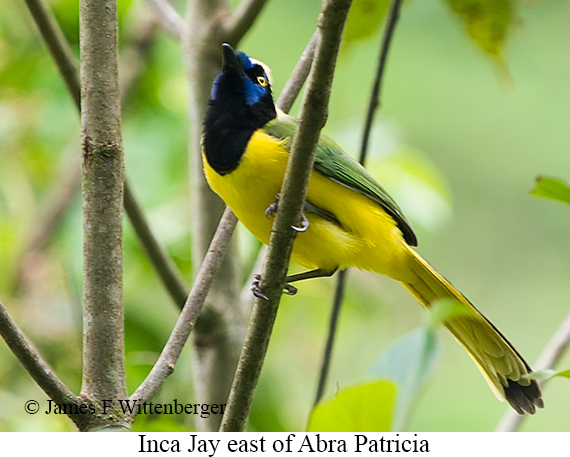
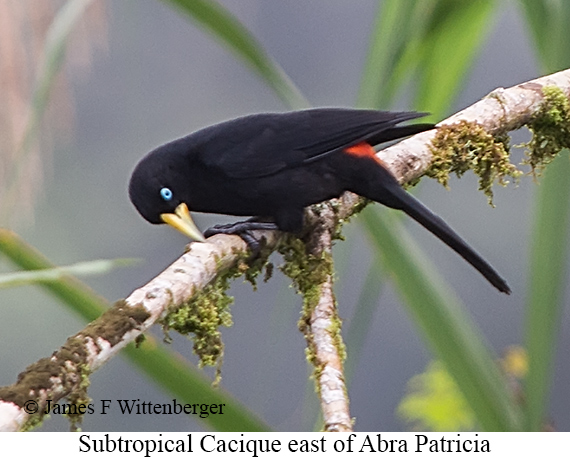
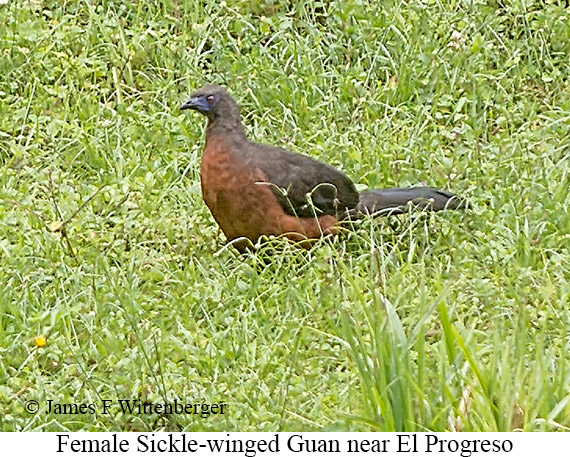
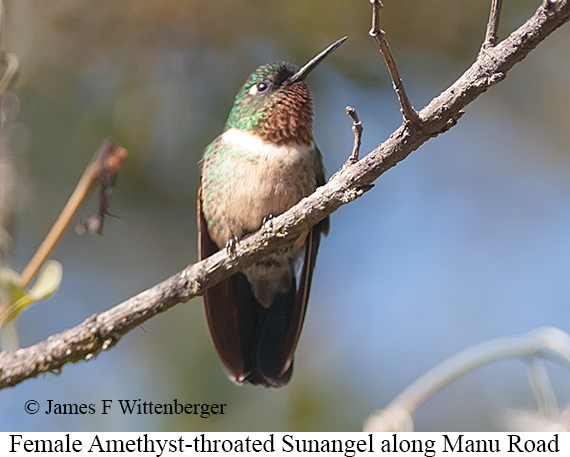
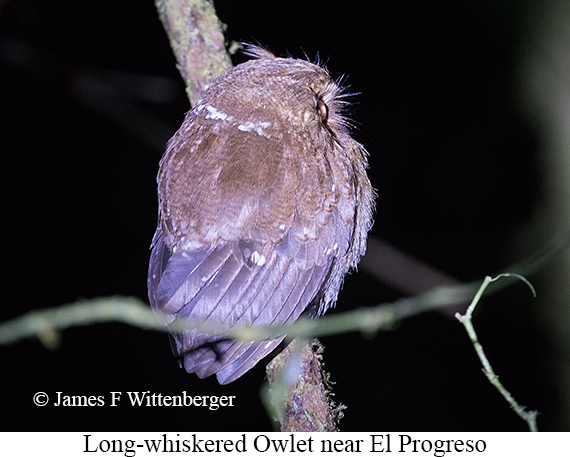
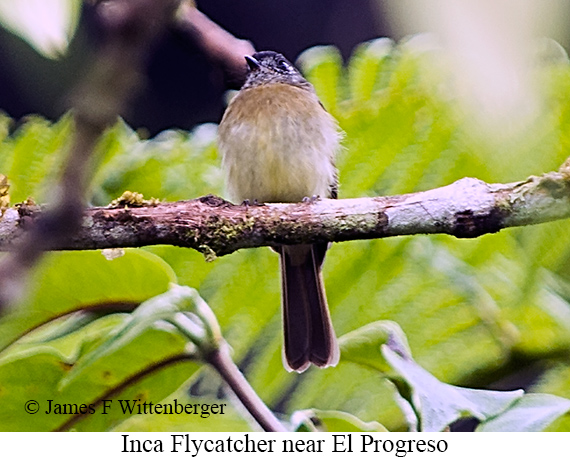

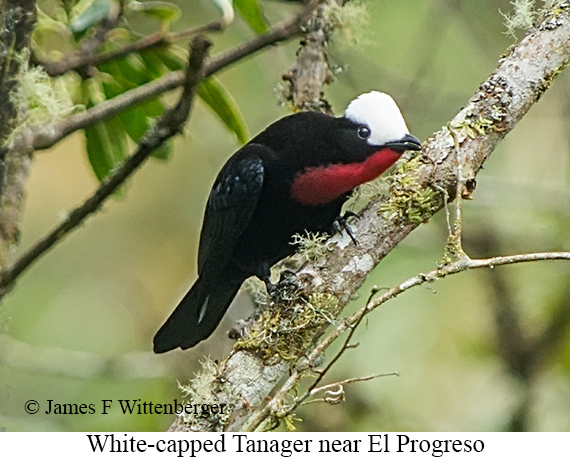
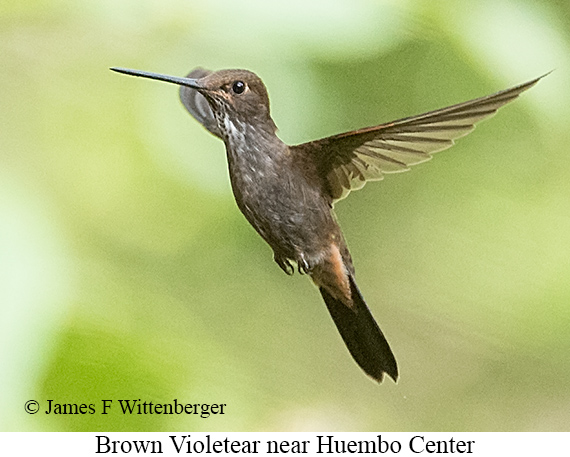
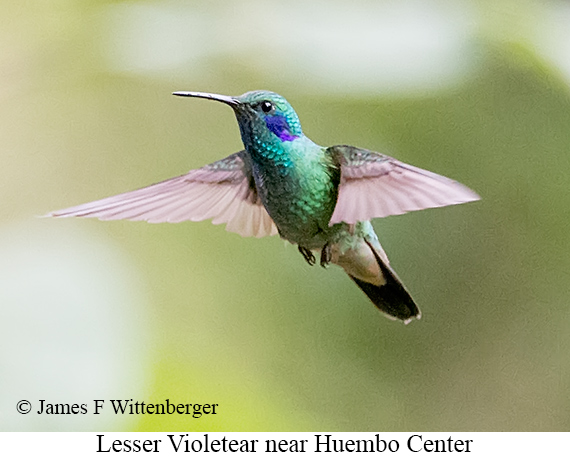
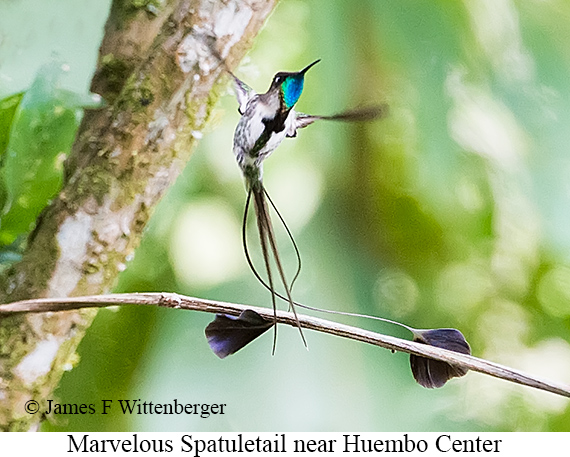
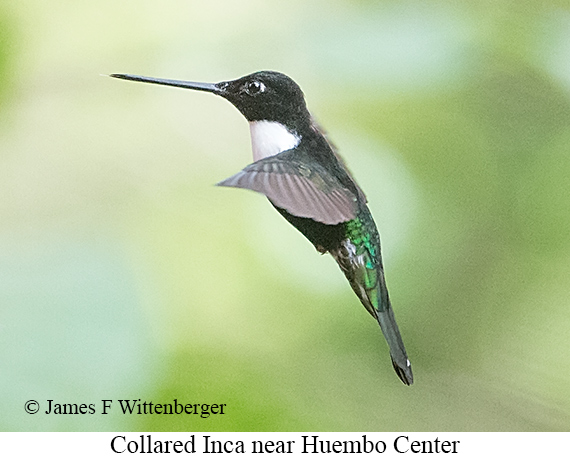
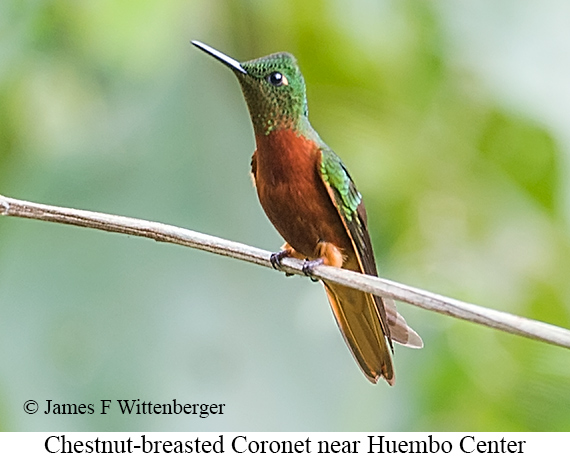
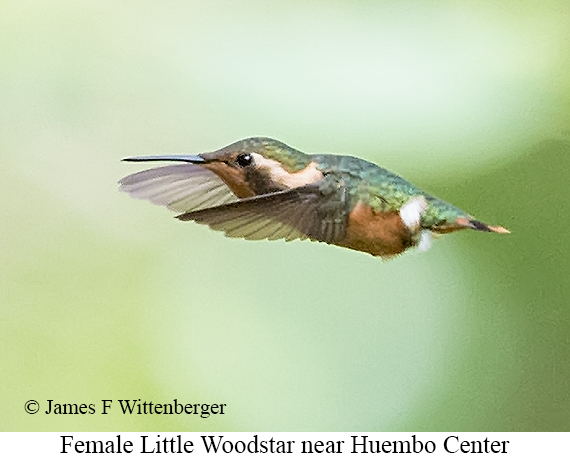


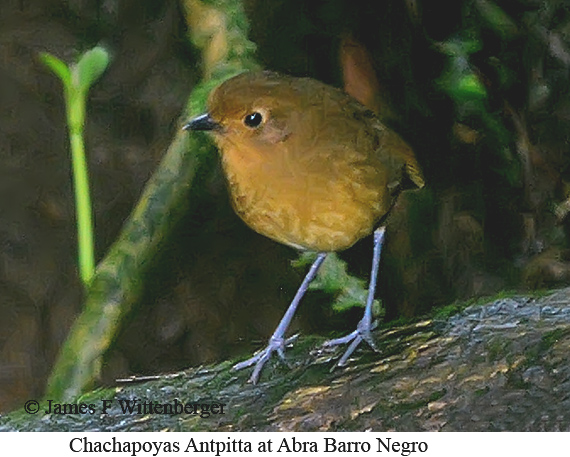
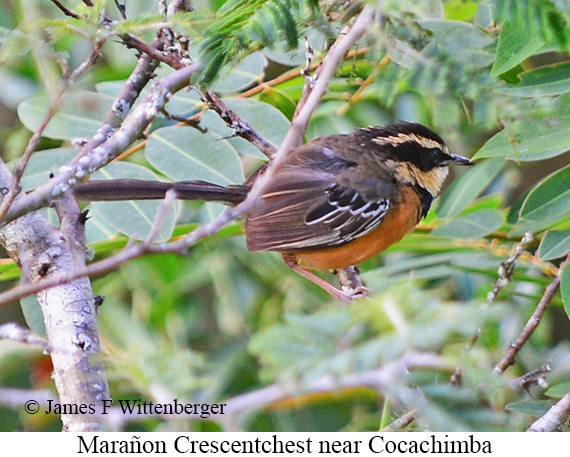
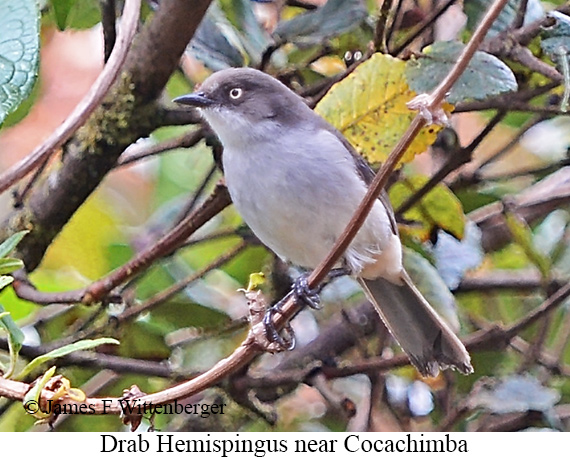
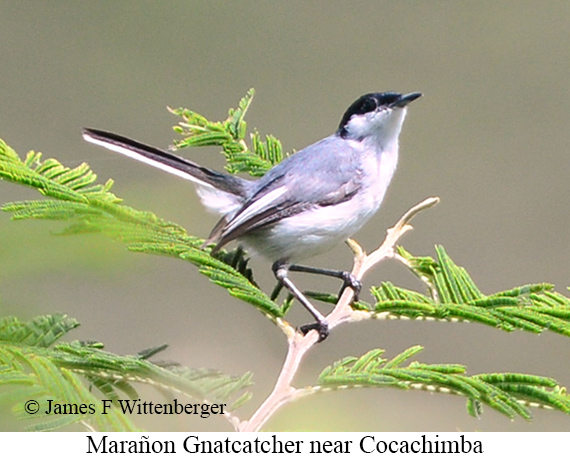
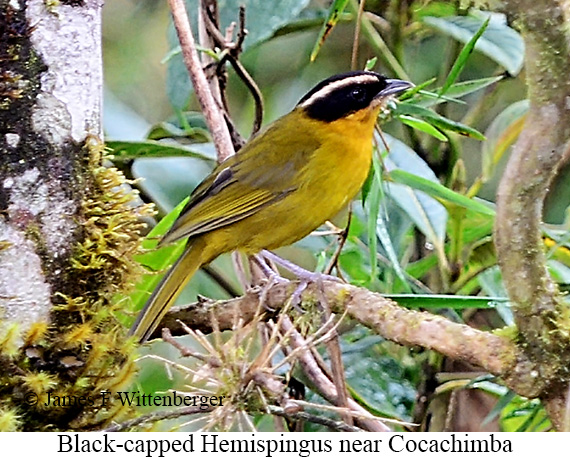
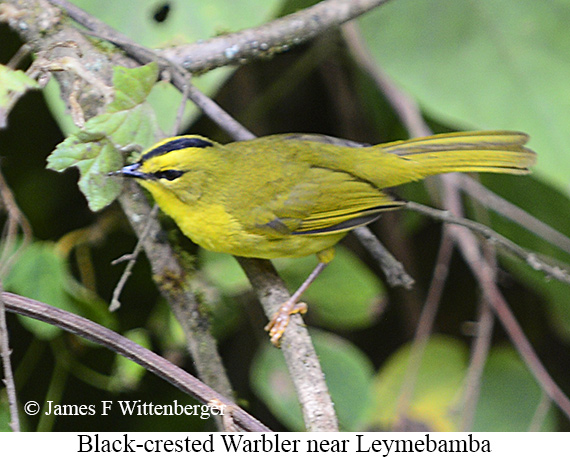


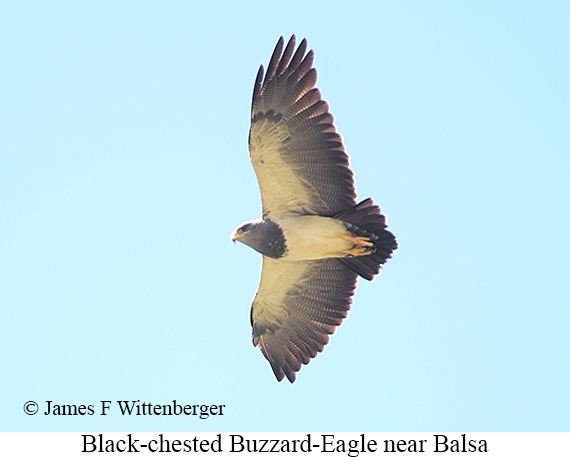

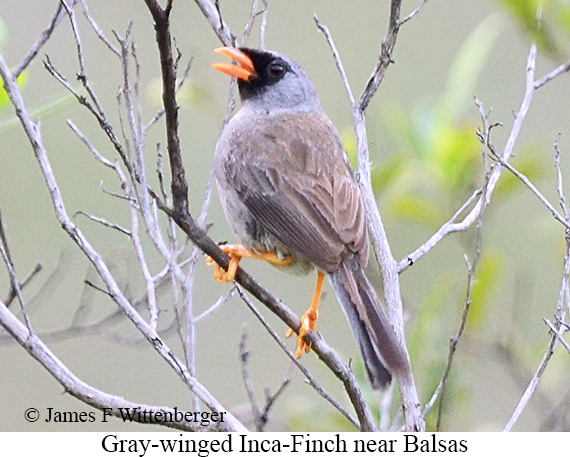
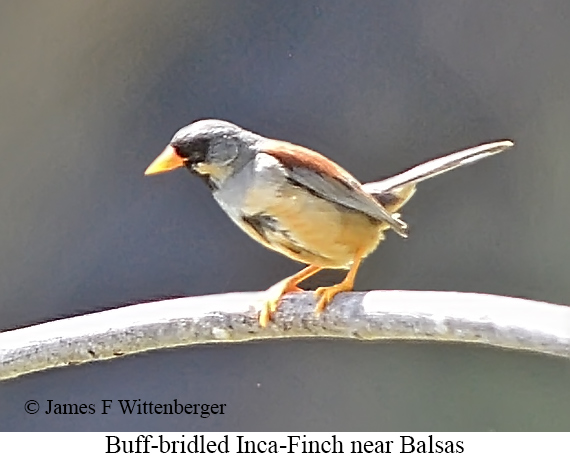
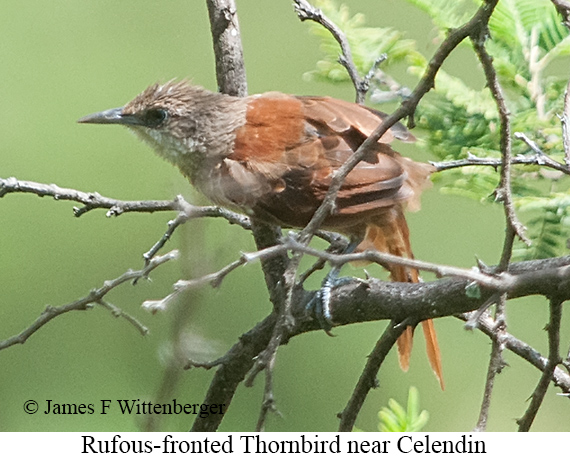
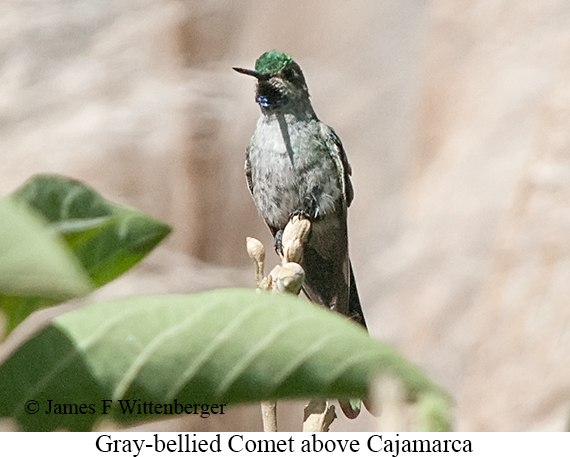
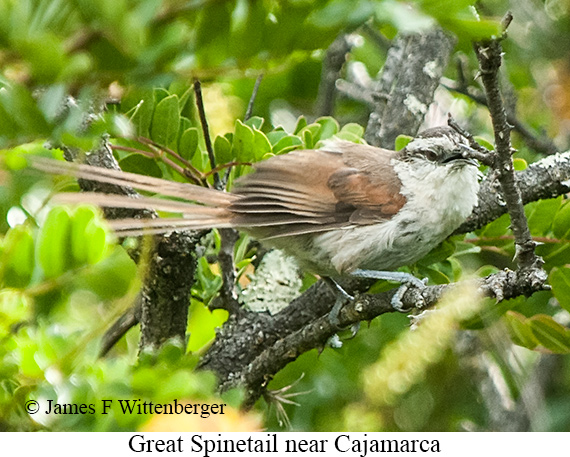
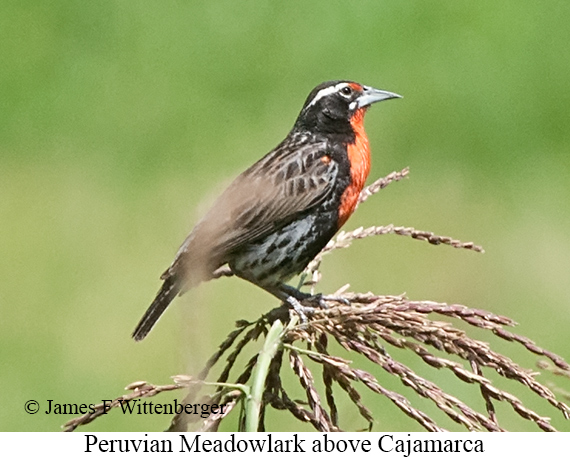
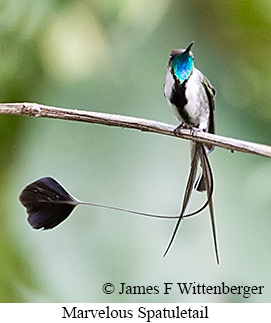 The reason for birding northern Peru is to see the numberous endemics and range-restricted birds not found anywere else. These birds combined with numerous more widely distributed species and stunning scenery make for a truly memorable tour. Featured birds on this tour include the poorly known and only recently observable Long-whiskered Owlet, found only around Abra Patricia and nearby Fundo Alto Nieva, the extraordinary Marvelous Spatuletail, perhaps the world's most astonishing hummingbird. South of Pomacochas lies the incredible scenery and numerous endemics of the Cocahuayco and Marañon River canyons where a whole new set of endemics awaits. This tour is a shorter version of our longer Chiclayo-Tarapoto-Cajamarca tour for those with less time or budget available for our more comprehensive tour.
Our Tarapoto-Cajamarca tour follows the traditional northern Peru birding route in reverse and visits nearly all the important birding sites between Tarapoto in northern Peru and Pomacochas but includes the Cocahuayco River gorge, first to Cocachimba and then onwards south and west through stunning, steep-walled canyons to Leymebamba, down into the deep Marañon River gorge to Balsas, and on to Cajamarca. It adds many endemics not possible on our Chiclayo-Tarapoto tour while leaving out others.
 The tour begins with a flight to Tarapoto and then transfer by 4x4 vehicla up a long, winding, sometimes rough gravel road to the end of the line at the village of Plataforma. We'll have the afternoon the and next morning to bird the sometimes steep, usually muddy tracks around the village looking for the recently described Scarlet-banded Barbet and Plataforma Antbird. After returning to Tarapoto, we'll have one more day there to bird the Cordillera Escalera Conservation Area that protects Amazonian foothills and cloud forest along with the Aconabikh Center where hummingbird feeders and some hilly forest trails offer excellent birding. After returning to Tarapoto, we drive west the next morning to Moyobamba and Waqanki Ecolodge, best place to see the endemic Koepcke's Hermit. En route we'll stop at the Quiscarumi Bridge to look down into a deep, narrow gorge where Oilbirds can be seen roosting and moving about. After a final morning of birding that area, we'll continue on to the Arena Blanca Ecological Reserve. An early morning visit to a blind there will afford us with views of 3 normally very secretive birds, Cinerous Tinamou, Little Tinamou, and Rufous-breasted Wood-Quail. After that we'll continue westward to the Abra Patricia area. We'll spend most of 3 days birding roadsides in the cloud forest around Abra Patricia. One night we'll use a local guide to take us to the most reliable site for seeing the recently discovered Long-whiskered Owlet. We then continue on to Pomacochas, stopping near the Huembo Center, where the incredible Marvelous Spatuletail typically comes to hummingbird feeders.
After some time around the Huembo Center, we'll continue south an hour and a quarter to Cocachimba. We'll be driving through dramatic scenery of the steep-walled Chachapoyas River Canyon to reach Cocachimba, where we'll have stunning views of Peru's tallest waterfall, 540 m (1772 ft) Catarata Gocta from our hotel. After an overnight stay there, we'll then continue upward to the village of Leymebamba, followed a day later by a long drive down the steep, narrow, winding road that drops some 4000 ft to the Marañon River far below. After some birding near the town of Balsas, located along the river, we'll drive back up the other side of the steep canyon walls to Celendin. After an overnight stay in Celendin, we'll continue on to Cajamarca, where we'll spend a final night. The tour ends with an early evening flight from Cajamarca back to Lima the following evening.
Tour Considerations
PACE - The pace of this tour is easy to moderate. It can be adjusted to the preferences and physical abilties of the participants.
DIFFICULTY - Much of the birding is along roadsides that can be a bit hilly. Some of the roads are main highways, such as at Abra Porculla, where traffic can be fairly heavy. Some birding is along trails that are more difficult through steep terrain, especially at Waqanki and Abra Patricia. The trail up to the main hummingbird feeders at Waqanki is fairly short but a bit steep. The site for Long-whiskered Owlet near the town of El Progreso is quite steep and muddy going downhill in the dark. Birding at Plataforma involves a very long transfer via 4x4 to reach the town and then a rather strenuous hike uphill along a wide 4x4 road to see the Scarlet-banded Barbet. Seeing additional target birds there involves additional hiking along muddy trails that require rubber boots or even bushwhacking. Some significant driving of half days or longer with birding stops en route is necessary to bird the areas between Leimebamba and Cajamarca. The birding during that part of the tour is mainly along roadsides. Hiking down a very steep, rocky, poorly maintained private trail into an orchard is necessary to see the endemic Yellow-faced Parrotlet. The mountain pass at Abra Barro Negro is at an elevation of 3670m (12,000ft) but we'll not be stopping there. The road down the other side of that pass is long with numerous switchbacks to the Marañon River below.
INTERNAL FLIGHTS - An early flight about 7:30am from Lima to Tarapoto is necessary at the beginning of the tour. The return flight from Cajamarca to Lima can be adjusted according to the departure time of international flights home. The preferred flight is in early evening around 5:30pm. Reervations for these flights must be made by participants in coordination with the tour guide.
CLIMATE - The climate is geographically variable, with the western slope of the Andes quite arid while the eastern slope is more lush and forested. Dry season is from June to November and is the best time to visit. Heavy rains can result in flooding and road washouts during the wet season from December to May, especially in January and February.
BIRD ACTIVITY - The nesting season is mainly from August to November when bird activity is very good. The best months for seeing Marvelous Spatuletail are from November to April. Even so, activity at hummingbird feeders is highest during dry season from May to November when fewer flowers are in bloom. The best activity is in early mornings during dry season. The best time to see Long-whiskered Owlet is from March through May when they are most active.
PHOTOGRAPHY - Bird photography is excellent around hummingbird feeders and in the arid northwest. Getting photos in the dense cloud forests around Abra Patricia is much more challenging.
TOUR NOTES
The road to Plataforma is long and sometimes rather rough. Internal flights not included in tour price. This tour can be linked with our Cajamarca-El Molino extension.
ACCOMMODATIONS
During the tour we'll be staying at moderately priced comfortable hotels plus reasonably comfortable ecolodges at Abra Patricia, Waqanki, and Arena Blanca. The guesthouse at Plataforma is quite basic with shared toilets down a fairly long hallway from the rooms. There is a shower at Plataforma as well, though it too is a rather basic. It's for one person at a time but adjacent to the shared toilets.