


EASTERN ANDES BIRDING TOUR
Tour Description

ECUADOR
BIRDING TOUR
ANY TIME*
| Duration: | 9 days, 8 nights |
| Group Size: | 2-4 |
| 2-3 Price: | $3850 |
| 4+ Price: | $3650 |
| Single Suppl: | $350 |
| Est #Species: | 300-325 |
| Pace: | Easy |
| Difficulty: | Easy |
| Best Time: | All but Mar-Apr |
| * This tour is available for any dates of your choosing provided guide services and accommodations are available. | |
DAY 1 - QUITO
International flights arrive by evening. Hotel provides transfer to accommodations. Overnight at San Jose de Puembo Hotel or similar.
DAY 2 - PAPALLACTA PASS & SAN ISIDRO
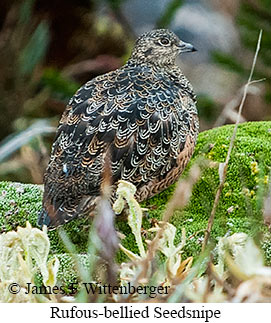
We'll depart early this morning to drive upslope into the eastern Andes along the road leading up to Papallacta Pass, the only direct route into the eastern lowlands from Quito. As we drive upslope, we'll pass through mostly scrub habitat where we'll make some stops along some side roads to look for Shining Sunbeam, Viridian Metaltail, Andean Tit-Spinetail, White-chinned Thistletail, Red-crested Cotinga, Agile Tit-Tyrant, Brown-backed Chat-Tyrant, Pale-naped Brushfinch, Hooded Mountain Tanager, Scarlet-bellied Mountain Tanager, Buff-banded Mountain Tanager, Giant Conebill, and Black-backed Bush Tanager. We'll then continue upslope to the crest of the pass. There, we'll turn off onto a gravel side road leading up to the radio antennas located on a local peak where we'll spend some time birding an area of wet paramo scrub near the parking area. Our primary target birds there are Rufous-bellied Seedsnipe and Noble Snipe. We can also expect to see Tawny Antpitta, Many-striped Canastero, White-chinned Thistletail, Grass Wren, Black Flowerpiercer, Plumbeous Sierra Finch, and Plain-colored Seedeater. With some luck we could also see the scarce Blue-backed Thornbill and perhaps Red-rumped Bush Tyrant perching on the tops of bushes or or the wires around the parking area.
After stopping for lunch in the village of Papallacta below the pass, we'll continue downslope toward San Isidro, a middle elevation site on the eastern slope of the Andes. We may do some birding en route along a side road toward Bermejo, which passes through a rural area of small farms and forest patches. Possible birds there include Sickle-winged Guan, Wattled Guan, Southern Emerald-Toucanet, Powerful Woodpecker, Yellow-browed Sparrow, and a variety of tanagers.
We should arrive at San Isidro by mid-afternoon, allowing some time for birding around our lodge before dinner. We'll spend this time viewing hummingbirds coming to the feeders near the dining room, including Tawny-bellied Hermit, Bronzy Inca, Green-fronted Lancebill, Violet-bellied Hummingbird, and Fawn-breasted Brilliant. During early evening we'll do some night birding to look for Swallow-tailed Nightjar, Andean Potoo, White-throated Screech-Owl, and Rufous-banded Owl. Overnight at San Isidro Lodge.
DAY 3 - SAN ISIDRO
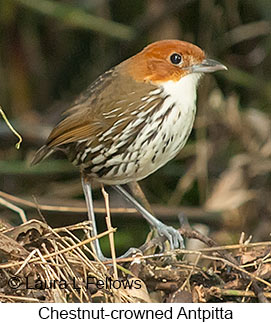
We'll spend all of this day birding the subtropical forest in a private reserve owned by the lodge. We'll begin early in the morning watching Chestnut-crowned Antpitta and White-bellied Antpitta, which the local guides have habituated to come out to feed on earthworms. We'll spend the remainder of the day birding the forested reserve owned by the lodge. Birding is on roadsides and along several easy trails that go through secondary forest, where it's sometimes possible to see Crested Quetzal and sometimes Golden-headed Quetzal. We'll give special attention to some shy and scarce species such as Wattled Guan, Slate-crowned Antpitta, Ocellated Tapaculo, Barred Antthrush, Greater Scythebill, Flammulated Treehunter, and Variegated Bristle-Tyrant. With some luck we may see other scarce species such as White-chested Swift and White-capped Tanager. Among the many other birds that could be found in the forest and along forest edge are Andean Motmot, Crimson-mantled Woodpecker, Orange-eared Tanager, Golden-naped Tanager, Blue-necked Tanager, and Beryl-spangled Tanager. Overnight at San Isidro Lodge.
DAY 4 - GUACAMAYOS RIDGE, LORETO ROAD, & WILD SUMACO
We'll depart early this morning as we continue downslope from San Isidro. Our first stop will be a fairly level trail that follows the ridgeline along the Cordillera de Guacamayos. The habitat there is excellent cloud forest with trees covered in bromeliads, mosses, and orchids. We'll spend a couple hours birding this area, where some special birds such as Black-billed Mountain-Toucan, Black-chested Fruiteater, Olivaceous Piha, Dusky Piha, Rufous-breasted Flycatcher, Handsome Flycatcher, and Short-billed Chlorospingus occur.
From there we'll continue driving downslope along the famed Loreto Road, making several birding stops en route. This road provides an altitudinal transect from temperate forest to subtropical forest and offers high species diversity. Birds of the temparate forest along the upper stretches of the road include White-eyed Parakeet, the endemic Coppery-chested Jacamar, Dark-breasted Spinetail, Lined Antshrike, Short-billed Chlorospingus, Bronze-green Euphonia, Orange-eared Tanager, Spotted Tanager, Caqueta Seedeater, and Golden-eyed Flowerpiercer.
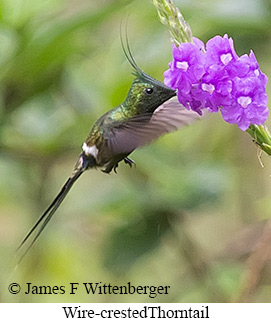
Farther downslope is the upper subtropical zone near the junction with the Archidona Road and the lower Loreto Road. There we'll turn off onto a side road leading to Wild Sumaco Lodge, our stay for the next 3 nights. After our arrival and lunch there, we'll have some time for afternoon birding. Our initial focus will be on the hummingbird feeders around the lodge, which attract Gray-chinned Hermit, Wire-crested Thorntail, Peruvian Racket-tail, Gould's Jewelfront, Napo Sabrewing, Fork-tailed Woodnymph, Many-spotted Hummingbird, and Golden-tailed Sapphire. Flowers in the adjacent gardens attract Blue-fronted Lancebill and Violet-headed Hummingbird as well. Later in the afternoon we'll have some time to begin birding trails around the lodge. Overnight at Wild Sumaco Lodge.
DAYS 5-6 - WILD SUMACO
We have two full days to bird the excellent subtropical forests around the lodge. A feeding station near the lodge usually attracts Plain-backed Antpitta and Ochre-breasted Antpitta. Numerous trails provide access to this rapidly disappearing habitat. A number of species occur in only a narrow altitudinal range in this habitat and we should see them all. These include Ecuadorian Piedtail, Rufous-vented Whitetip, Napo Sabrewing, Coppery-chested Jacamar, Blue-rumped Manakin, Yellow-cheeked Becard, Olive-chested Flycatcher, and Olivaceous Greenlet.
A nice variety of other special birds also occur on the lodge grounds. These include Black-throated Brilliant, Foothill Stipplethroat, Golden-winged Manakin, Green Manakin, Fiery-throated Fruiteater, Gray-tailed Piha, Ecuadorian Tyrannulet, Buff-throated Tody-Tyrant, Black-and-white Tody-Flycatcher, Foothill Elaenia, Bronze-green Euphonia, Olive Finch, Orange-eared Tanager, Golden-eared Tanager, and Deep-blue Flowerpiercer. Many other widely distributed species also occur, and these combined with the local specialties will keep us busy for two full days plus the following morning. Overnights at Wild Sumaco Lodge.
DAY 7 - WILD SUMACO & GUANGO LODGE
We'll spend all of this morning birding around Wild Sumaco Lodge looking for any birds missed the preceding days. After lunch, we'll depart for Guango Lodge, about a 3-hour drive back upslope. Once there, we'll spend the remainder of the afternoon viewing the amazing hummingbirds that come to the feeders outside the lodge dining room. Up to 15 species of hummingbirds vie for perches and feeding stations around the feeders. Species typically present are Sparkling Violetear, Buff-tailed Coronet, Chestnut-breasted Coronet, Mountain Velvetbreast, Collared Inca, Buff-winged Starfrontlet, the stunning Sword-billed Hummingbird, Tourmaline Sunangel, Glowing Puffleg, Purple-backed Thornbill, Tyrian Metaltail, Mountain Avocetbill, Long-tailed Sylph, White-bellied Woodstar, and Gorgeted Woodstar. Overnight at Guango Lodge.
DAY 8 - GUANGO LODGE & LOS CHILS VALLEY
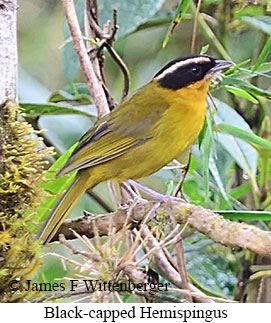
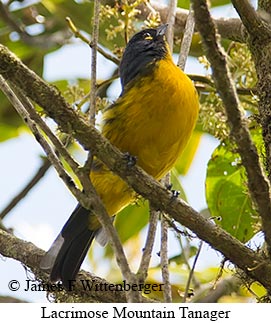
Guango Lodge offers excellent birding very close to the lodge itself. We'll begin birding very early before breakfast, and then again after enjoying the fantastic food offered by the lodge. Birding is along a path that is basically a grassy area surrounded by gardens and secondary growth along the river. There is also some forest edge where forest species often appear. Torrent Duck and White-capped Dipper are sometimes found along the river, and birds such as Black-capped Hemispingus, Black-eared Hemispingus, Gray-hooded Bush Tanager, Hooded Mountain Tanager, Lacrimose Mountain Tanager, Blue-and-black Tanager, Capped Conebill, Masked Flowerpiercer, and Slaty Brush-Finch can often be found in the gardens. Occasionally, we can find the scarce Gray-breasted Mountain Toucan as well.
After a sumptious lunch at the lodge, we'll depart for out transfer back toward Quito. We'll have time to do some birding as we cross over Papallacta Pass and drive down the western slope to look for any birds we missed earlier. Afternoon birding in this area tends to be slow, but we'll make stops as needed. Overnight at Hacienda la Carriona.
DAY 9 - ANTISANA & QUITO
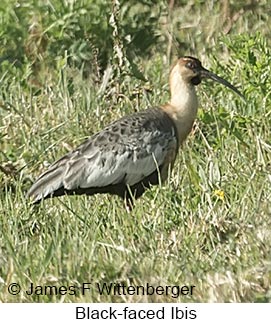
Our last day will be devoted to visiting the area around Antisana Volcano. The recently created national park around the volcano protects a vast extent of dry paramo grassland and gravelly hillsides as well as one of the world's highest volcanos. Our primary objective is to see Andean Condors. The park is home to about 40 of the remaining 150 condors in Ecuador, so we have a reasonable chance of seeing one soaring over the cliffs. The best place to see them is at the privately operated Antisana Condor Observatory. More commonly seen birds in the park include Black-winged Ground Dove, Carunculated Caracara, Aplomado Falcon, Streak-backed Canastero, Plain-capped Ground-Tyrant, Black-billed Shrike-Tyrant, and Plumbeous Sierra Finch. We may alse see the scarce Black-faced Ibis.
After birding Antisana, we'll drive back to Quito where the tour ends at the airport or your local hotel (not included in tour price). Tour ends in Quito.