(Phone/WhatsApp): 206-650-3425
info@exoticbirding.com

MANU LOWLANDS TOUR

Duration:9 days, 8 nights
Group Size:2-4
2-3 Price:$4175
4+ Price:$3950
Single Suppl:$500
Est #Species:425-500
Pace:Easy
Difficulty:Easy
Best Time:May-Nov
* This tour is available for any dates of your choosing provided guide services and accommodations are available.

Best combined with our Peru Manu Road tour. The number of days at each lodge can be increased upon request at additional cost.
button Related Tours
     and/or Extensions

Related Tours

Andean Cock-of-the-rock - © James F Wittenberger and Exotic Birding LLC
Manu Road Tour
9 days, 8 nights
2-3 Price: $3700
    (Single Suppl $300)
4+ Price: $3500
    (Single Suppl $300)
Click for Tour Details
button Tour Overview

The most biodiverse avifauna in Peru is found in the Manu Biosphere Reserve, which encompasses both the diverse habitats along Manu Road and the lowlands along the Rio Madre de Dios, headwaters of the Amazon Basin. Over 1000 species have been recorded in the reserve, with some 600 of those in the lowlands. Our Peru Manu Road tour covers the altitudinal zones from the high elevation paramo outside Cusco to the Amazonian foothills around Manu Biosphere Lodge. Our Peru Manu Lowlands tour is a continuation that begins in the lowlands and visits several ecolodges along the Rio Madre de Dios. These two tours are readily combined into a single trip. Its an exhilerataing experience to travel down the Rio Madre de Dios by motorboat, giving one a sense of remoteness and adventure while offering some truly amazing birding.

The tour begins in the afternoon at the small port town of Atalaya Manu, located on the banks of the Rio Madre de Dios. The first two nights are spent at the Amazonas Lodge, located 15 minutes by boat up river from the port. This lodge offers very good accommodations, hummingbird viewing, and superb lowland birding. After 2 nights, we'll travel by boat down the Rio Madre de Dios a coupld hours to Pantiacolla Lodge, considered by many to be the best birding lodge in the Peruvian Amazon. We'll spend most of 2 days birding there. We then continue downriver with a 6-hour boat transfer to the Manu Wildlife Center, located with the Manu Biosphere Reserve. If desired, the somewhat more rustic lodge at nearby Tambo Blanquillo can be substituted for this stay, which would reduce the cost of the tour somewhat. The latter lodge owns a large tract of property in the buffer zone around Manu Biosphere Reserve,including the macaw/parrot clay lick and canopy tower. We'll spend 2 full days birding there. An additional day can be added at additional cost. We'll then continue downriver to Puerto Maldonado, where the tour ends after lunch. An additional day of birding can be arranged at additional cost to look for some specialty birds found outside town.

button Tour Itinerary

Day 1 - Meals: BLD; Accommodation: Amazonia Lodge; Activity: Morning boat trip from the end of Manu Road to Amazonia Lodge. Birding there.
Day 2 - Meals: BLD; Accommodation: Amazonia Lodge; Activity: All day birding lodge grounds.
Day 3 - Meals: BLD; Accommodation: Pantiacolla Lodge; Activity: Boat trip to Pantiacolla Reserve. Rest of day birding there.
Day 4 - Meals: BLD; Accommodation: Pantiacolla Lodge; Activity: All day birding lodge grounds.
Day 5 - Meals: BLD; Accommodation: Manu Wildlife Center; Activity: Boat trip to Manu Wildlife Center. Rest of day birding there.
Day 6 - Meals: BLD; Accommodation: Manu Wildlife Center; Activity: All day at Manu Wildlife Center.
Day 7 - Meals: BLD; Accommodation: Manu Wildlife Center; Activity: All day at Manu Wildlife Center.
Day 8 - Meals: BL; Accommodation: None; Activity: After early breakfast, boat transfer to Puerto Maldonado. Late afternoon flight to Cusco or Lima.

button Accommodations

We'll be staying at comfortable ecolodges with private bath and good restaurant facilities throughout this tour.

button Included Locales
button Tour Map
button Tour Considerations
:

PACE - Easy.

DIFFICULTY - Birding is by boat and along forested trails that are pretty much level. Some birding is from a canopy tower.

CLIMATE - Dry season is May to October. Wet season is November to April. During wet season, heavy downpours are frequent and rivers are swollen. The heaviest rains are in late January and all of February.

BIRD ACTIVITY - During dry season macaw clay licks are most active and rainfall is infrequent so trails are dry. Also, mixed species flocks are most frequent during dry season. During wet season, the forest is more lush, making views of canopy birds more difficult, and heavy rains can make birding miserable as well as difficult. On the positive side, varzea forests are more flooded, making them easier to explore by boat.

PHOTOGRAPHY - Opportunities for bird photography are excellent at clay licks and around feeders at the various lodges. Photographing birds in the forest is more opportunistic but feasible for birds in the understory.

button Tour Photos
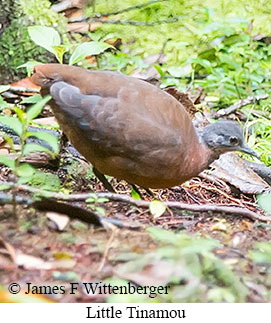
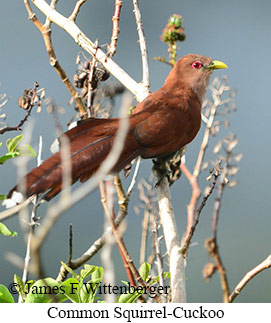
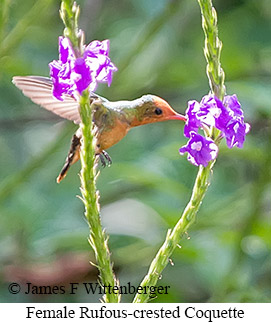
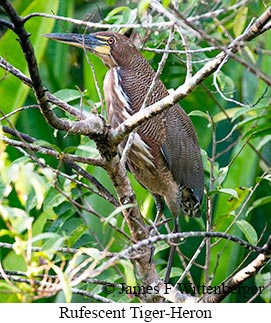
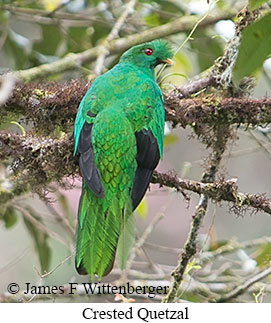
White-throated Tinamou - © James F Wittenberger and Exotic Birding LLC Cinereous Tinamou - © James F Wittenberger and Exotic Birding LLC Little Tinamou - © James F Wittenberger and Exotic Birding LLC Horned Screamer - © James F Wittenberger and Exotic Birding LLC Horned Screamer - © James F Wittenberger and Exotic Birding LLC Horned Screamer - © James F Wittenberger and Exotic Birding LLC Orinoco Goose - © James F Wittenberger and Exotic Birding LLC Blue-throated Piping-Guan - © James F Wittenberger and Exotic Birding LLC Blue-throated Piping-Guan - © James F Wittenberger and Exotic Birding LLC Speckled Chachalaca - © James F Wittenberger and Exotic Birding LLC Starred Wood-Quail - © James F Wittenberger and Exotic Birding LLC Band-tailed Pigeon - © James F Wittenberger and Exotic Birding LLC Plumbeous Pigeon - © James F Wittenberger and Exotic Birding LLC Common Squirrel-Cuckoo - © James F Wittenberger and Exotic Birding LLC Great Potoo - © James F Wittenberger and Exotic Birding LLC Common Potoo - © James F Wittenberger and Exotic Birding LLC White-necked Jacobin - © James F Wittenberger and Exotic Birding LLC White-necked Jacobin - © James F Wittenberger and Exotic Birding LLC Koepcke's Hermit - © James F Wittenberger and Exotic Birding LLC Brown Violetear - © James F Wittenberger and Exotic Birding LLC Sparkling Violetear - © James F Wittenberger and Exotic Birding LLC Wire-crested Thorntail - © James F Wittenberger and Exotic Birding LLC Female Rufous-crested Coquette - © James F Wittenberger and Exotic Birding LLC Rufous-crested Coquette - © James F Wittenberger and Exotic Birding LLC Gould's Jewelfront - © James F Wittenberger and Exotic Birding LLC Gould's Jewelfront - © James F Wittenberger and Exotic Birding LLC Violet-fronted Brilliant - © James F Wittenberger and Exotic Birding LLC Gray-breasted Sabrewing - © James F Wittenberger and Exotic Birding LLC Fork-tailed Woodnymph - © James F Wittenberger and Exotic Birding LLC Golden-tailed Sapphire - © James F Wittenberger and Exotic Birding LLC Golden-tailed Sapphire - © James F Wittenberger and Exotic Birding LLC Golden-tailed Sapphire - © James F Wittenberger and Exotic Birding LLC Gray-necked Wood Rail - © James F Wittenberger and Exotic Birding LLC Rufous-sided Crake - © James F Wittenberger and Exotic Birding LLC Sungrebe - © James F Wittenberger and Exotic Birding LLC Limpkin - © James F Wittenberger and Exotic Birding LLC Wattled Jacana - © James F Wittenberger and Exotic Birding LLC Wattled Jacana - © James F Wittenberger and Exotic Birding LLC Andean Gull - © James F Wittenberger and Exotic Birding LLC Andean Gull - © James F Wittenberger and Exotic Birding LLC Black Skimmer - © James F Wittenberger and Exotic Birding LLC Large-billed Tern - © James F Wittenberger and Exotic Birding LLC Large-billed Tern - © James F Wittenberger and Exotic Birding LLC Large-billed Tern - © James F Wittenberger and Exotic Birding LLC Least Grebe - © James F Wittenberger and Exotic Birding LLC Silvery Grebe - © James F Wittenberger and Exotic Birding LLC Hoatzin - © James F Wittenberger and Exotic Birding LLC Hoatzin - © James F Wittenberger and Exotic Birding LLC Anhinga - © James F Wittenberger and Exotic Birding LLC Puna Ibis - © James F Wittenberger and Exotic Birding LLC Rufescent Tiger-Heron - © James F Wittenberger and Exotic Birding LLC Rufescent Tiger-Heron - © James F Wittenberger and Exotic Birding LLC Capped Heron - © James F Wittenberger and Exotic Birding LLC Cocoi Heron - © James F Wittenberger and Exotic Birding LLC Cocoi Heron - © James F Wittenberger and Exotic Birding LLC Greater Yellow-headed Vulture - © James F Wittenberger and Exotic Birding LLC Plumbeous Kite - © James F Wittenberger and Exotic Birding LLC Great Black Hawk - © James F Wittenberger and Exotic Birding LLC Solitary Eagle - © James F Wittenberger and Exotic Birding LLC Roadside Hawk - © James F Wittenberger and Exotic Birding LLC Gray-lined Hawk - © James F Wittenberger and Exotic Birding LLC Crested Quetzal - © James F Wittenberger and Exotic Birding LLC Black-tailed Trogon - © James F Wittenberger and Exotic Birding LLC Green-and-rufous Kingfisher - © James F Wittenberger and Exotic Birding LLC Black-fronted Nunbird - © James F Wittenberger and Exotic Birding LLC Purus Jacamar - © James F Wittenberger and Exotic Birding LLC Bluish-fronted Jacamar - © James F Wittenberger and Exotic Birding LLC Chestnut-eared Aracari - © James F Wittenberger and Exotic Birding LLC Red-necked Woodpecker - © James F Wittenberger and Exotic Birding LLC Crimson-crested Woodpecker - © James F Wittenberger and Exotic Birding LLC Lineated Woodpecker - © James F Wittenberger and Exotic Birding LLC Golden-olive Woodpecker - © James F Wittenberger and Exotic Birding LLC Barred Forest-Falcon - © James F Wittenberger and Exotic Birding LLC Barred Forest-Falcon - © James F Wittenberger and Exotic Birding LLC Red-throated Caracara - © James F Wittenberger and Exotic Birding LLC Black Caracara - © James F Wittenberger and Exotic Birding LLC Tui Parakeet - © James F Wittenberger and Exotic Birding LLC Orange-cheeked Parrot - © James F Wittenberger and Exotic Birding LLC Blue-headed Parrot - © James F Wittenberger and Exotic Birding LLC Blue-headed Macaw - © James F Wittenberger and Exotic Birding LLC Red-and-green Macaw - © James F Wittenberger and Exotic Birding LLC Red-and-green Macaw - © James F Wittenberger and Exotic Birding LLC Red-and-green Macaw - © James F Wittenberger and Exotic Birding LLC Red-and-green Macaw - © James F Wittenberger and Exotic Birding LLC Red-and-green Macaw - © James F Wittenberger and Exotic Birding LLC Chestnut-fronted Macaw - © James F Wittenberger and Exotic Birding LLC White-eyed Parakeet - © James F Wittenberger and Exotic Birding LLC Dusky-throated Antshrike - © James F Wittenberger and Exotic Birding LLC Yellow-breasted Warbling-Antbird - © James F Wittenberger and Exotic Birding LLC Manu Antbird - © James F Wittenberger and Exotic Birding LLC White-browed Antbird - © James F Wittenberger and Exotic Birding LLC Goeldi's Antbird - © James F Wittenberger and Exotic Birding LLC Plain-brown Woodcreeper - © James F Wittenberger and Exotic Birding LLC Black-banded Woodcreeper - © James F Wittenberger and Exotic Birding LLC Montane Foliage-gleaner - © James F Wittenberger and Exotic Birding LLC Plain-crowned Spinetail - © James F Wittenberger and Exotic Birding LLC Dwarf Tyrant-Manakin - © James F Wittenberger and Exotic Birding LLC Sulphur-bellied Tyrant-Manakin - © James F Wittenberger and Exotic Birding LLC Band-tailed Manakin - © James F Wittenberger and Exotic Birding LLC Andean Cock-of-the-rock - © James F Wittenberger and Exotic Birding LLC Amazonian Umbrellabird - © James F Wittenberger and Exotic Birding LLC Amazonian Umbrellabird - © James F Wittenberger and Exotic Birding LLC Streak-necked Flycatcher - © James F Wittenberger and Exotic Birding LLC Spotted Tody-Flycatcher - © James F Wittenberger and Exotic Birding LLC Cinnamon Flycatcher - © James F Wittenberger and Exotic Birding LLC Slaty Elaenia - © James F Wittenberger and Exotic Birding LLC Streak-throated Bush-Tyrant - © James F Wittenberger and Exotic Birding LLC Lesser Kiskadee - © James F Wittenberger and Exotic Birding LLC Social Flycatcher - © James F Wittenberger and Exotic Birding LLC Violaceous Jay - © James F Wittenberger and Exotic Birding LLC Purplish Jay - © James F Wittenberger and Exotic Birding LLC Inca Jay - © James F Wittenberger and Exotic Birding LLC White-winged Swallow - © James F Wittenberger and Exotic Birding LLC Andean Solitaire - © James F Wittenberger and Exotic Birding LLC Black-billed Thrush - © James F Wittenberger and Exotic Birding LLC Lawrence's Thrush - © James F Wittenberger and Exotic Birding LLC Purple-throated Euphonia - © James F Wittenberger and Exotic Birding LLC Hooded Siskin - © James F Wittenberger and Exotic Birding LLC Russet-backed Oropendola - © James F Wittenberger and Exotic Birding LLC Pale-eyed Blackbird - © James F Wittenberger and Exotic Birding LLC Summer Tanager - © James F Wittenberger and Exotic Birding LLC Silver-beaked Tanager - © James F Wittenberger and Exotic Birding LLC Masked Crimson Tanager - © James F Wittenberger and Exotic Birding LLC Blue-gray Tanager - © James F Wittenberger and Exotic Birding LLC Yellow-bellied Tanager - © James F Wittenberger and Exotic Birding LLC Golden-naped Tanager - © James F Wittenberger and Exotic Birding LLC Blue-necked Tanager - © James F Wittenberger and Exotic Birding LLC Golden Tanager - © James F Wittenberger and Exotic Birding LLC Yellow-bellied Dacnis - © James F Wittenberger and Exotic Birding LLC Black-and-white Seedeater - © James F Wittenberger and Exotic Birding LLC
button Full Description

DAY 1 - ATALAYA MANU & AMAZONIA LODGE

The tour begins in the afternoon at the port town of Atalaya Manu, located on the Alto Rio Madre de Dios. It's best combined with our tour of Manu Road. If not, then a transfer from Cusco of about 6 hours is required to meet the boat.

Our first destination is the Amazonas Lodge, which is situated in a transitional zone at an elevation of about 500m (1640 ft) where the foothills begin to flatten out into the lowland Amazon basin. The habitat around the lodge is mostly transitional forest and lowland flood plain, but the lodge grounds are more open and contain flowering bushes that attract a variety of hummingbirds.

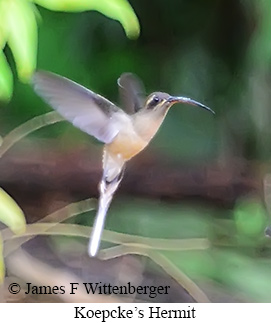
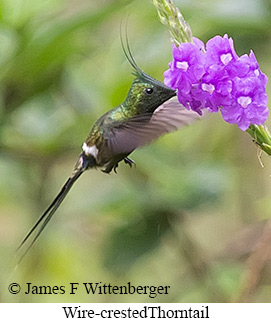
The boat ride to the lodge takes about 20 minutes. Once we arrive, we'll check in and begin birding the lodge grounds. Most likely we'll spend this time in the gardens looking for the various hummingbirds occurring there. We're especially seeking Rufous-breasted Hermit, Koepcke's Hermit, Reddish Hermit, Black-eared Fairy, and Festive Coquette. Other hummingbirds regularly present in the gardens include Pale-tailed Barbthroat, Needle-billed Hermit, Black-eared Fairy, Wire-crested Thorntail, Rufous-crested Coquette, Gould's Jewelfront, Blue-tailed Emerald, Gray-breasted Sabrewing, Fork-tailed Woodnymph, Golden-tailed Sapphire, Sapphire-spangled Emerald, and White-chinned Sapphire.

In late afternoon it's worthwhile to ascend the canopy tower to look for canopy birds. There we could well see macaws and parrots foraging in the trees and hopefully mixed species flocks that feature a variety of tanagers among other birds. Overnight at Amazonia Lodge.

DAY 2 - AMAZONIA LODGE

Early this morning we'll take advantage of the several trails that lead along a river and through bamboo thickets and the extensive lowland forest around the lodge. Over 600 species of birds have been recorded on the lodge grounds, so we will be kept busy. Such high species diversity is a reflection of the many micro-habitats present within the rainforest around the lodge.

Endemic and near-endemic birds we especially hope to see include Black Tinamou, Blue-moustached Barbet, Fine-barred Piculet, Rufescent Antshrike, Slaty Gnateater, the secretive and difficult to see Elusive Antpitta, Rufous-fronted Antthrush, Yungas Manakin, Cerulean-capped Manakin, Cinnamon-faced Tyrannulet, Black-backed Tody-Flycatcher, Pale-eyed Blackbird, and Cuzco Warbler. The lodge grounds is one of the best places to see range-restricted species such as Scarlet-hooded Barbet, Bamboo Antshrike, the always difficult to find Peruvian Recurvebill, and the locally distributed Long-crested Pygmy-Tyrant.

We'll spend the entire day birding and will see plenty of additional species as well. Flocks of Chestnut-fronted Macaw, Military Macaw, Scarlet Macaw, and perhaps the rare Blue-headed Macaw are regularly seen overhead. Other parrots around the property include White-eyed Parakeet, Dusky-headed Parrot, and Blue-headed Parrot. An oxbow lake cut off from the river is home to bizarrely primitive Hoatzin's that may demonstrate their impressive displays. Extensive stands of bamboo within the forest are home to Bamboo Antshrike. Many species of othr antbirds are present, often in mixed species flocks following army ant swarms. The typical flock leader is Bluish-slate Antshrike, which is quite common. Species likely to be seen include Great Antshrike, Chestnut-backed Antshrike, Plain-winged Antshrike, White-shouldered Antshrike, White-eyed Antwren, Gray Antwren, Blackish Antbird, Black Antbird, White-browed Antbird, Silvered Antbird, Chestnut-tailed Antbird, Goeldi's Antbird, and quite possibly the strikingly colored Black-spotted Bare-eye. Along forest trails typical species include Blue-crowned Trogon, Amazonian Motmot, Black-fronted Nunbird, Bluish-fronted Jacamar, Gilded Barbet, Lemon-throated Barbet, Plain Softtail, Chestnut-crowned Foliage-gleaner, Plain Tyrannulet, Pink-throated Becard, Fiery-capped Manakin, Golden-bellied Warbler, Turquoise Tanager, and Black-faced Dacnis. Rarities such as Black-capped Tinamou (heard much more often than seen), Buckley's Forest-Falcon, Red-billed Scythebill, Amazonian Antpitta, and Johannes's Tody-Tyrant are always possible. With special effort one can ferret out Rusty-belted Tapaculo, a secretive bird often seen if everyone is very quiet.

In the evening we'll spend some time looking for nocturnal species that we've seen before at this lodge. These include Great Potoo, Long-tailed Potoo, Common Potoo, Tawny-bellied Screech-Owl, Mottled Owl, Black-banded Owl. Overnight at Amazonia Lodge.

DAY 3 - AMAZONIA LODGE & PANTIACOLLA LODGE

We'll spend the morning birding around Amazonia Lodge, looking for species missed the previous day. Mid-morning after breakfast we'll depart by motorized boat down the Alto Rio Madre de Dios to Pantiacolla Lodge, a less well known lodge situated about 2 hours downstream from Amazonia Lodge. The journey makes a person feel like they've reached a truly remote place despite the occasional homestead along the river. During the boat transfer typical riverside species such as Horned Screamer, Pied Lapwing, Collared Plover, Large-billed Tern, and Swallow-winged Puffbird are normally seen. It's a good time to look for raptors such as Black-and-white Hawk-Eagle as well as Sand-colored Nighthawk roosting on sandbars. The boat should arrive by early afternoon, allowing time for some birding before dark. Overnight at Pantiacolla Lodge.

DAY 4 - PANTIACOLLA LODGE

Pantiacolla is considered by those in the know to be the best birding lodge in the Peruvian Amazon, partly because it's extensive bamboo stands are the best place to see bamboo specialists and partly because bird activity usually remains high all day, unlike other sites in the Amazon. Excellent birding habitat including extensive bamboo, varzea and terra firme forest, river islands, and river edge are within an easy 5-minute walk from the lodge. An extensive trail system provides access to those habitats and also low-lying cloud forest on a higher ridgeline where the rare Black-capped Tinamou is found. Nearly 600 bird species as well as 8 monkey species including the rare Monk Saki Monkey have been recorded on the 900ha lodge grounds.

We'll spend a full day birding this site, which offers numerous opportunities to find less common species such as Bartlett's Tinamou, Razor-billed Curassow, Pale-winged Trumpeter, Pavonine Quetzal, Collared Puffbird, Striolated Puffbird, Gray-cheeked Nunlet, Purus Jacamar, Cream-colored Woodpecker, Ruddy Spinetail, Eastern Woodhaunter, Tschudi's Woodcreeper, Sclater's Antwren, Banded Antbird, White-throated Antbird, Elusive Antpitta, Ash-throated Gnateater, Ochre-bellied Flycatcher, White-bellied Tody-Tyrant, Amazonian Royal-Flycatcher, Musician Wren, Yellow-shouldered Grosbeak, and Pale-eyed Blackbird. Notable bamboo specialists include Rufous-headed Woodpecker, Peruvian Recurvebill, Dusky-cheeked Foliage-gleaner, Brown-rumped Foliage-gleaner, Ornate Antwren, Striated Antbird, Manu Antbird, White-lined Antbird, Flammulated Pygmy-Tyrant, White-cheeked Tody-Flycatcher, Large-headed Flatbill, and Dusky-tailed Flatbill. Mixed species tanager flocks feeding in trees around the lodge itself are a special attraction, better than anywhere else in the Peruvian Amazon headwaters. Overnight at Pantiacolla Lodge.

DAY 5 - PANTIACOLLA & MANU WILDLIFE CENTER

This morning we'll depart after breakfast for the transfer by boat from Pantiacolla Lodge to Manu Wildlife Center. The transfer takes about 6 hours. We'll see pretty much the same birds we saw on the previous transfer, but viewing them all again will keep us occupied. The lodge is situated within the Manu Biosphere Reserve. An extensive trail system of over 20km provides access to a variety of forest habitats. A 35m (120ft) tower provides excellent viewing of the forest canopy. The only large macaw and parrot clay lick in the region is a short boat ride away. Nearly 600 species of birds have been recorded around the lodge.

A word should be said here about nearby Tambo Blanquillo Lodge. Tambo Blanquillo is located very near the better known Manu Wildlife Center but actually owns the property where the oxbow lakes, parrot clay lick, and observation tower are located. Visitors to MWC must pay $200 each to access these sites, while guests of Tambo Blanquillo pay no extra fee for this access. Birding is otherwise similar at both sites. The main difference is that the accommodations are considered more comfortable at Manu Wildlife Center. Even so, those at Tambo Blanquillo Lodge are perfectly fine. While we have Manu Wildlife Center on our itinerary, Tambo Blanquillo can be substituted for it upon request.

DAYS 6-7 - MANU WILDLIFE CENTER

We have two full days to bird at this magical place deep in the headwaters of the Peruvian Amazon. An additional day here would be very worthwhile and can be added to our itinerary at additional cost. One full morning will be spent at the parrot/macaw clay lick where the birds come in every day for needed minerals found in the clay. Visitors sit in a blind just 50m away so photo opportunities are fabulous. Species usually present are Red-and-green Macaws, possibly Scarlet Macaws, Orange-cheeked Parrot, Blue-headed Parrot, Yellow-crowned Parrot, and Mealy Parrot. At the oxbow lakes we'll look for Blue-throated Piping-Guan, Agami Heron, Rufous-sided Crake, Gray-breasted Crake, Sungrebe, Hoatzin, Amazonian Streaked-Antwren, Band-tailed Antbird, Silvered Antbird, and Large-billed Seed-Finch. The observation tower on top of a huge Kapok tree affords an opportunity to see otherwise difficult-to-spot canopy birds. Activity varies every day so it's often worth climbing the tower more than once when time permits. Possibilities include Lineated Foliage-gleaner, Chestnut-winged Foliage-gleaner, Sclater's Antwren, Three-striped Flycatcher, Band-tailed Manakin, Red-billed Pied Tanager, Flame-crested Tanager, Turquoise Tanager, Paradise Tanager, Green-and-gold Tanager, Yellow-bellied Tanager, Opal-rumped Tanager, Opal-crowned Tanager, Blue Dacnis, and Yellow-shouldered Grosbeak. The remainder of the time we'll bird various trails and waterways through varzea and terra firme forest on lodge property. Nights at Manu Wildlife Center.

DAY 8 - TRANSFER TO PUERTO MALDONADO

After early breakfast we'll depart by boat heading downriver to Boca Colorado and thence to the frontier town of Puerto Maldonado. Once again we'll be looking at birds during the boat transfer. This part of the river is where Orinoco Goose is most likely to be seen, as it usually avoids disturbed areas and is easier to find along this stretch of the Madre de Dios River. After disembarking, we'll transfer by bus to Puerto Maldonado. We'll arrive in time for lunch in town and our afternoon flight back to Cusco or Lima. Birding outside town can be productive, so an extra day can be added to the tour for that purpose at additional cost.

button Special Birds

DISTRIBUTION CODES

CodeDescriptionCodeDescription
EEndemicLCLocal
NENear EndemicRRRestricted Range

color codes

1Gray TinamouTinamus tao 
2White-throated TinamouTinamus guttatus 
3Black TinamouTinamus osgoodiNE
4Brown TinamouCrypturellus obsoletusRR
5Black-capped TinamouCrypturellus atrocapillusRR
6Brazilian TinamouCrypturellus strigulosusRR
7Black-bellied Whistling-DuckDendrocygna autumnalisRR
8Orinoco GooseOressochen jubataRR
9\Brazilian Teal\Amazonetta brasiliensisRR
10Wattled GuanAburria aburri 
11Razor-billed CurassowMitu tuberosum 
12Stripe-faced Wood-QuailOdontophorus ballivianiNE
13Scaled PigeonPatagioenas speciosaLC
14\Picui Ground Dove\Columbina picuiRR
15Sapphire Quail-DoveGeotrygon saphirinaRR
16Violaceous Quail-DoveGeotrygon violaceaLC
17Rufous-vented Ground-CuckooNeomorphus geoffroyi 
18\Ash-colored Cuckoo\Coccycua cinereaRR
19\Scissor-tailed Nightjar\Hydropsalis torquataLC
20Rufous NightjarAntrostomus rufusLC
21Silky-tailed NightjarAntrostomus sericocaudatusLC
22OilbirdSteatornis caripensisLC
23/Chimney Swift/Chaetura pelagica 
24Pale-tailed BarbthroatThrenetes leucurusLC
25Koepcke's HermitPhaethornis koepckeaeE
26White-browed HermitPhaethornis stuartiNE
27Blue-fronted LancebillDoryfera johannaeRR
28Brown VioletearColibri delphinaeLC
29Wire-crested ThorntailDiscosura popelairiiRR
30Butterfly CoquetteLophornis verreauxiiLC
31Peruvian PiedtailPhlogophilus hartertiE
32Rufous-booted Racket-tailOcreatus addaeNE
33Rufous-webbed BrilliantHeliodoxa branickiiE
34Black-throated BrilliantHeliodoxa schreibersiiLC
35Many-spotted HummingbirdTaphrospilus hypostictusRR
36Rufous-throated SapphireHylocharis sapphirinaRR
37Blackish RailPardirallus nigricansLC
38Uniform CrakeAmaurolimnas concolorLC
39Gray-breasted CrakeLaterallus exilisLC
40Pale-winged TrumpeterPsophia leucoptera 
41Southern LapwingVanellus chilensisRR
42|Buff-breasted Sandpiper|Calidris subruficollis 
43Boat-billed HeronCochlearius cochleariusLC
44Agami HeronAgamia agami 
45Pearl KiteGampsonyx swainsoniiRR
46White-tailed KiteElanus leucurusRR
47Ornate Hawk-EagleSpizaetus ornatus 
48Crested EagleMorphnus guianensis 
49Harpy EagleHarpia harpyja 
50\Gray-bellied Hawk\Accipiter poliogaster 
51Snail KiteRostrhamus sociabilisLC
52Slender-billed KiteHelicolestes hamatusLC
53Solitary EagleButeogallus solitarius 
54|Swainson's Hawk|Buteo swainsoniRR
55Lanceolated MonkletMicromonacha lanceolataLC
56Purus JacamarGalbalcyrhynchus purusianusRR
57Scarlet-hooded BarbetEubucco tucinkaeRR
58Blue-moustached BarbetEubucco versicolorNE
59Chestnut-tipped ToucanetAulacorhynchus derbianusRR
60Golden-collared ToucanetSelenidera reinwardtiiRR
61Rufous-breasted PiculetPicumnus rufiventrisLC
62Fine-barred PiculetPicumnus subtilisNE
63Ringed WoodpeckerCeleus torquatusLC
64Rufous-headed WoodpeckerCeleus spectabilisLC
65Crested CaracaraCaracara cheriwayRR
66Orange-breasted FalconFalco deiroleucus 
67Amazonian ParrotletNannopsittaca dachilleaeRR
68White-bellied ParrotPionites leucogaster 
69Black-capped ParakeetPyrrhura rupicolaRR
70Blue-headed MacawPrimolius couloni 
71Military MacawAra militarisRR
72Rufous-rumped AntwrenEuchrepomis callinotaRR
73Bamboo AntshrikeCymbilaimus sanctaemariaeRR
74Fulvous AntshrikeFrederickena fulvaLC
75Chestnut-backed AntshrikeThamnophilus palliatusRR
76Amazonian AntshrikeThamnophilus amazonicusLC
77Black BushbirdNeoctantes nigerRR
78Rufescent AntshrikeThamnistes rufescensNE
79Rufous-tailed StipplethroatEpinecrophylla erythruraLC
80Yellow-breasted AntwrenHerpsilochmus axillaris 
81Striated AntbirdDrymophila devilleiRR
82White-lined AntbirdMyrmoborus lophotesRR
83Humaita AntbirdMyrmelastes humaythaeLC
84Goeldi's AntbirdAkletos goeldiiRR
85Slaty GnateaterConopophaga ardesiacaNE
86Elusive AntpittaGrallaria eludensNE
87Rufous-fronted AntthrushFormicarius rufifronsNE
88Gray-throated LeaftosserSclerurus albigularis 
89Plain-brown WoodcreeperDendrocincla fuliginosaRR
90Slender-billed XenopsXenops tenuirostrisLC
91Point-tailed PalmcreeperBerlepschia rikeriLC
92Dusky-cheeked Foliage-gleanerAnabazenops dorsalisLC
93Rufous-tailed Foliage-gleanerAnabacerthia ruficaudataLC
94Peruvian RecurvebillSyndactyla ucayalaeRR
95Ruddy Foliage-gleanerClibanornis rubiginosusLC
96Brown-rumped Foliage-gleanerAutomolus melanopezusLC
97Speckled SpinetailThripophaga gutturataLC
98Plain SofttailThripophaga fuscicepsLC
99Cabanis's SpinetailSynallaxis cabanisiRR
100Sulphur-bellied Tyrant-ManakinNeopelma sulphureiventerLC
101Blue-backed ManakinChiroxiphia pareolaLC
102Yungas ManakinChiroxiphia bolivianaNE
103Green ManakinCryptopipo holochloraRR
104Cerulean-capped ManakinLepidothrix coeruleocapillaE
105Red-headed ManakinCeratopipra rubrocapillaRR
106Black-faced CotingaConioptilon mcilhennyiRR
107Andean LaniisomaLaniisoma buckleyiLC
108SharpbillOxyruncus cristatusLC
109Cinnamon Manakin-TyrantNeopipo cinnamomeaLC
110McConnell's FlycatcherMionectes macconnelliRR
111Slaty-capped FlycatcherLeptopogon superciliarisRR
112Cinnamon-faced TyrannuletPhylloscartes parkeriNE
113Marble-faced Bristle-TyrantPogonotriccus ophthalmicusLC
114Long-crested Pygmy-TyrantLophotriccus eulophotesLC
115Acre Tody-TyrantHemitriccus cohnhaftiNE
116Buff-throated Tody-TyrantHemitriccus rufigularisRR
117Black-backed Tody-FlycatcherPoecilotriccus pulchellusE
118Rufous TwistwingCnipodectes superrufusLC
119Yellow-olive FlatbillTolmomyias sulphurescensRR
120Cliff FlycatcherHirundinea ferrugineaLC
121Ornate FlycatcherMyiotriccus ornatusRR
122Subtropical DoraditoPseudocolopteryx acutipennisLC
123Yellow-bellied ElaeniaElaenia flavogasterLC
124Plain-crested ElaeniaElaenia cristataRR
125White-fronted TyrannuletAcrochordopus zeledoniLC
126Red-billed TyrannuletZimmerius cinereicapilla 
127Bolivian TyrannuletZimmerius bolivianusNE
128/Olive-sided Flycatcher/Contopus cooperi 
129Amazonian Scrub-FlycatcherSublegatus obscuriorLC
130\Yellow-browed Tyrant\Satrapa icterophrysRR
131Rufous-tailed FlatbillRamphotrigon ruficaudaRR
132\Brown-crested Flycatcher\Myiarchus tyrannulusRR
133Rusty-margined FlycatcherMyiozetetes cayanensisRR
134Three-striped FlycatcherConopias trivirgatusLC
135Golden-bellied FlycatcherMyiodynastes hemichrysusRR
136Sulphury FlycatcherTyrannopsis sulphureaLC
137Lemon-chested GreenletHylophilus thoracicusLC
138Purplish JayCyanocorax cyanomelasRR
139White-thighed SwallowAtticora tibialisLC
140\Tawny-headed Swallow\Alopochelidon fucataRR
141Tawny-faced GnatwrenMicrobates cinereiventrisLC
142\Creamy-bellied Thrush\Turdus amaurochalinusRR
143Ashy-throated ChlorospingusChlorospingus canigularisLC
144Olive FinchArremon castaneicepsLC
145Red-breasted MeadowlarkLeistes militarisLC
146\White-browed Meadowlark\Leistes superciliarisRR
147Red-rumped CaciqueCacicus haemorrhousLC
148Pale-eyed BlackbirdAgelasticus xanthophthalmusNE
149/Cerulean Warbler/Setophaga cerulea 
150Two-banded WarblerMyiothlypis bivittataRR
151Cuzco WarblerMyiothlypis chrysogasterNE
152Black-faced TanagerSchistochlamys melanopisLC
153Black-goggled TanagerTrichothraupis melanopsLC
154Golden-naped TanagerChalcothraupis ruficervixRR
155Black-billed Seed-FinchSporophila atrirostrisLC
156Variable SeedeaterSporophila corvinaRR
157Slate-colored SeedeaterSporophila schistaceaLC