(Phone/WhatsApp): 206-650-3425
info@exoticbirding.com

CLASSIC HOTSPOTS
BIRDING TOUR

Duration:9 days, 8 nights
Group Size:2-4
2-3 Price:$3675
4+ Price:$3475
Single Suppl:$350
Est #Species:275-325
Pace:Easy
Difficulty:Easy
Best Time:Jan-Mar,July-Aug
* This tour is available for any dates of your choosing provided guide services and accommodations are available.

This tour can be combined with our Monteverde Extension extension.
button Related Tours
     and/or Extensions

Extensions

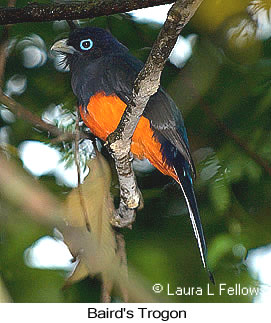
Baird's Trogon - © Laura L Fellows and Exotic Birding LLC
Monteverde Extension
4 days, 3 nights
2-3 Price: $1350
    (Single Suppl $100)
4+ Price: $1300
    (Single Suppl $100)
Click for Tour Details
button Tour Overview

Our Costa Rica Hotspots Tour features excellent birding sites in central Costa Rica. Sites covered include Ceiba-Cascajal Road, Carara National Park, San Gerardo de Dota, the Talamanca highlands, Reserva El Copal, Hotel Quelitales grounds, and La Selva Biological Station. The tour has the potential of recording about 300 species during a week of birding. The best time to take this tour is during early dry season from January-March. During this time birds are in full breeding plumage and are most active. By April Resplendent Quetzals are in nesting holes and can be more difficult to see. Accommodations are good to excellent throughout the tour.

The tour begins with a transfer from our hotel near the international airport to the Pacific lowlands with a morning of birding along the productive Ceiba-Cascajal Road through dry forest and open areas. During a two night stop at Cerro Lodge, a full day will be devoted to birding nearby Carara National Park. A transfer south and then west that includes a couple birding stops leads to the Talamanca highlands including Cerro de la Muerte and San Gerardo de Dota. One morning will be devoted to seeking Resplendent Quetzals at Paraiso Quetzales followed by an afternoon birding highland areas above our lodge. We then continue on to a productive forest site full of tanager species at Reserva El Copal. We'll spend that night and the following morning at nearby Hotel Quelitales where over 70% of all hummingbird species in Costa Rica occur. From there we move on to the Sarapiqui area for a morning of birding on the Caribbean middle elevation site at La Selva Biological Station where over 400 species have been recorded. The tour ends with a transfer back to Alajuela with a stop to view hummingbirds en route.

button Tour Itinerary

Day 1 - Meals: None; Accommodation: Hotel Aeropuerto; Activity: Arrival
Day 2 - Meals: BLD; Accommodation: Cerro Lodge; Activity: Early departure for the Pacific lowlands. Birding Ceiba-Cascajal Road enroute. Afternoon boat trip on the Tarcoles River and birding lodge grounds.
Day 3 - Meals: BLD; Accommodation: Cerro Lodge; Activity: All day birding Carara National Park.
Day 4 - Meals: BLD; Accommodation: Savegre Mountain Hotel; Activity: Morning transfer to San Gerardo de Dota. Birding en route at Cerro de La Muerte in the Talamanca highlands. Afternoon birding lodge grounds.
Day 5 - Meals: BLD; Accommodation: Savegre Mountain Hotel; Activity: Morning visit Paraiso Quetzal Lodge for Resplendant Quetzal. Afternoon birding highlands above the lodge.
Day 6 - Meals: BLD; Accommodation: Hotel Quelitales; Activity: Depart very early for 3-hour drive to Reserva El Copal in the highlands not far from Tapanti National Park. Much of day birding there. Late afternoon transfer to Quelitales.
Day 7 - Meals: BLD; Accommodation: Hotel Ara Ambigua; Activity: Morning birding hotel grounds and viewing hummingbirds at feeders. Afternoon transfer to Sarapiqui area. Birding there after arrival.
Day 8 - Meals: BLD; Accommodation: Hotel Aeropuerto; Activity: Morning birding La Selva Biological Reserve. Afternoon transfer to Alajuela.
Day 9 - Meals: B; Accommodation: None; Activity: End of tour. Flights home.

button Accommodations

Accommodations will be in comfortable hotels and ecolodges throughout the tour.

button Included Locales
button Tour Map
button Tour Considerations
:

PACE - The pace of this tour is very easy.

DIFFICULTY - Birding during the tour is along roadsides and relatively flat trails. One higher elevation site is included at Cerro de La Muerte, which reaches about 3450 m (11,300 ft) at the radio towers.

CLIMATE - Rainy season is during May-June and September-November. A mini dry season occurs during July-August. Temperatures in the lowlands are generally warm but comfortable. In the Talamanca Mountains, temperatures are moderate with cool nights.

BIRD ACTIVITY - Breeding activity of birds in Costa Rica is best from December through April during breeding season. One of the key species, Resplendent Quetzal, is in nesting holes and less frequently foraging during April but with patience can still be seen. The mini dry season during July and August can also be good for birding, though the quetzals and other species are not in their best plumage during those months.

PHOTOGRAPHY - Photo opportunities at bird feeders is quite good at several of the lodges. Getting photos of the quetzals and other forest birds is generally easy with a little patience except along the Headquarters Trail in Carara National Park that goes through primary rainforest.

button Tour Photos
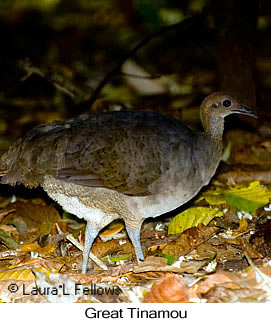
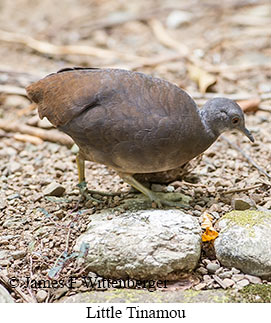
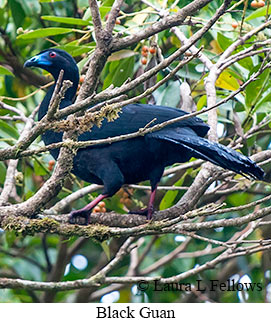
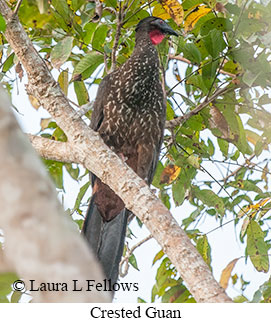
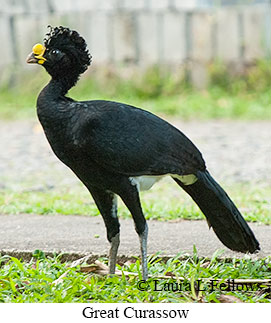
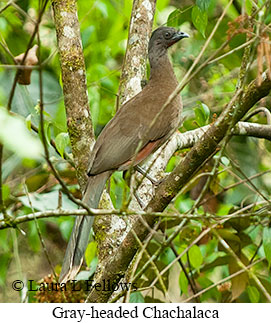
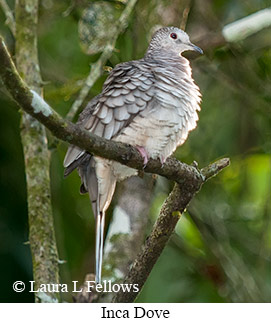
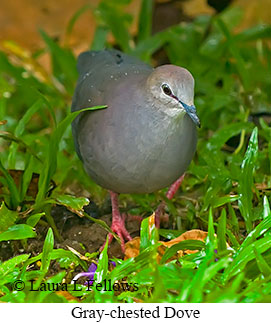
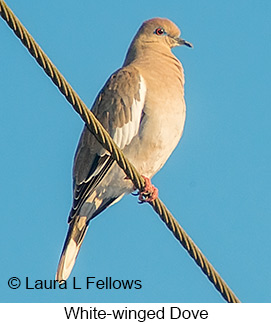
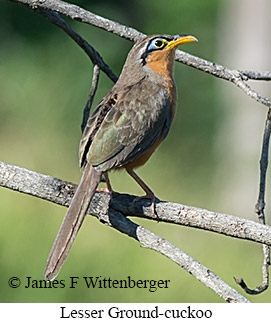
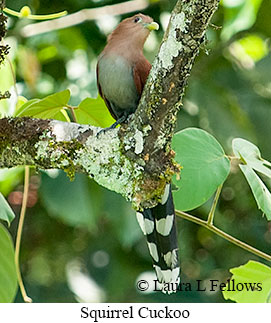
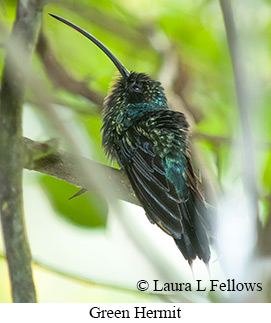
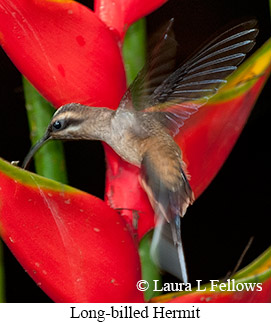
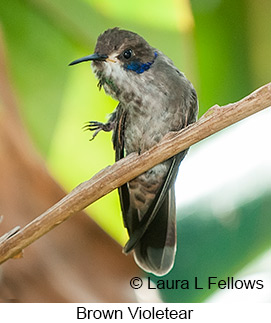
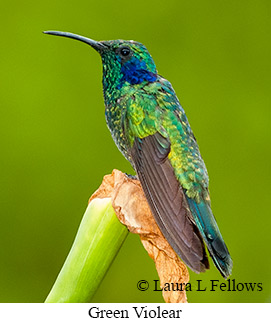
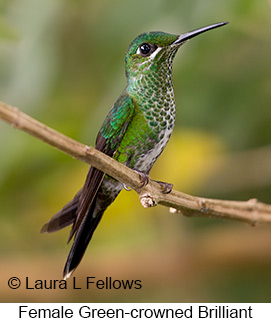
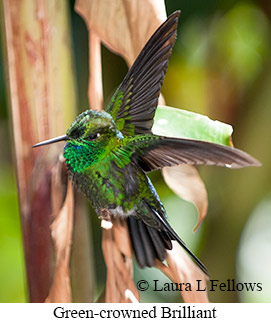
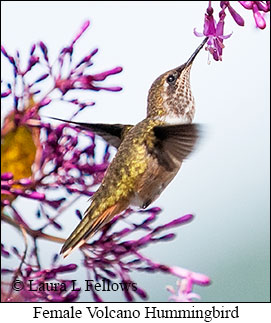
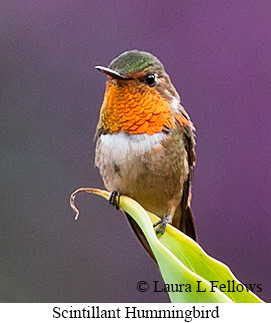
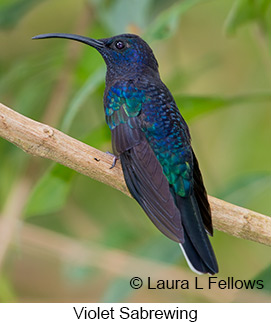
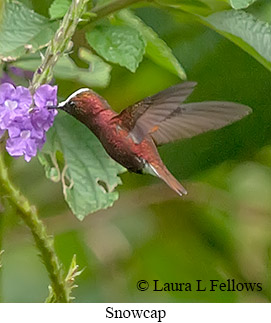
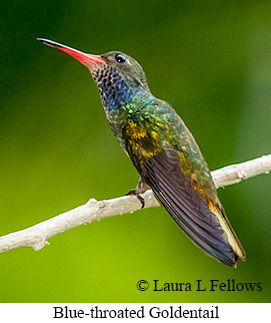
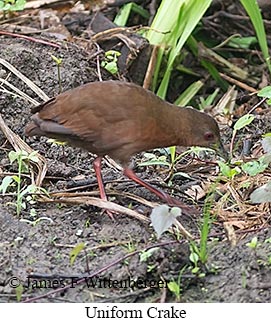
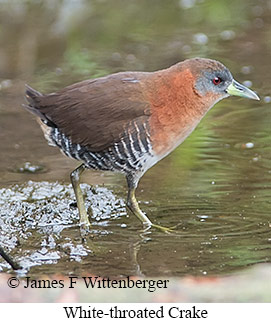
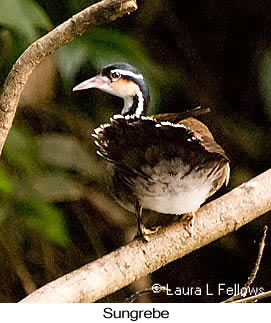
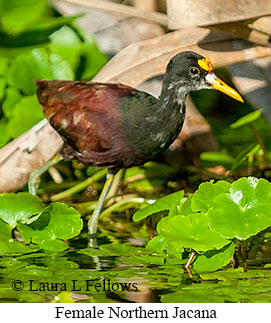
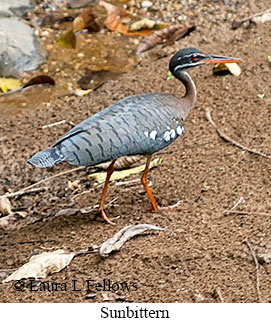
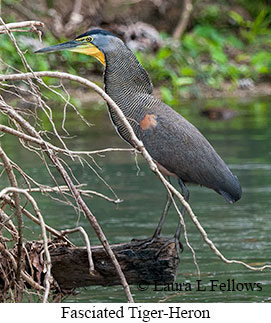
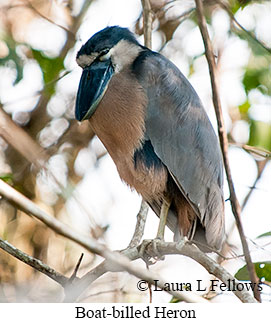
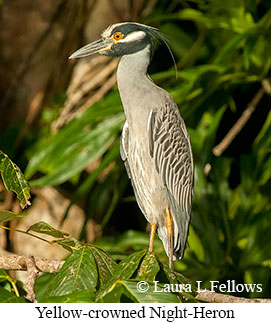
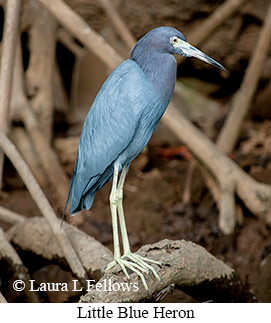
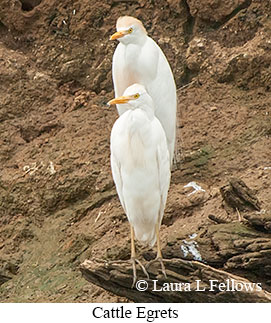
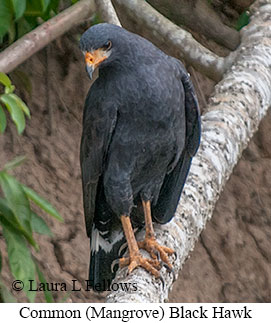
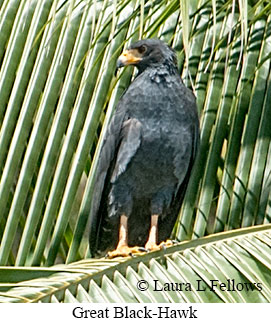
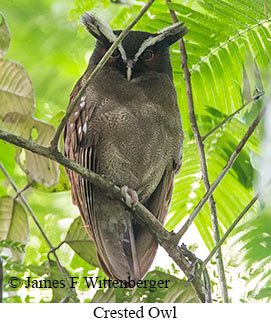
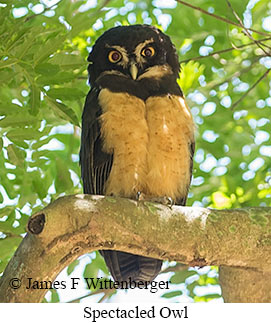
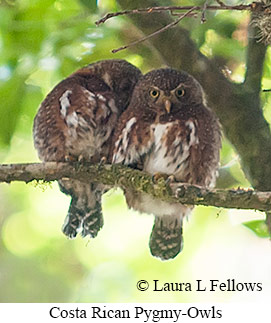
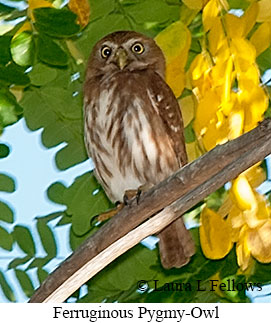
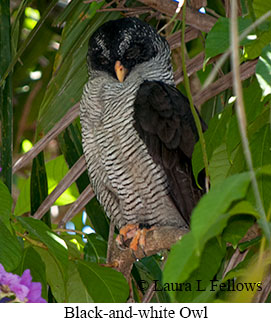
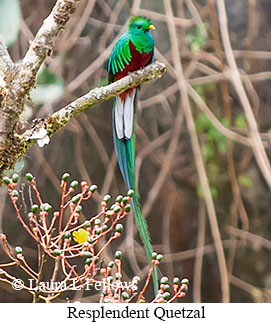
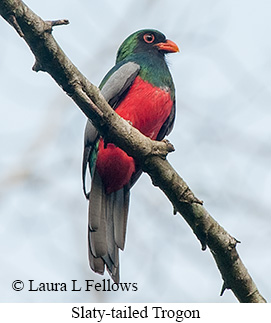
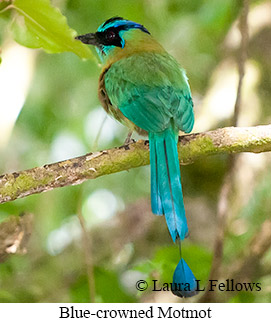
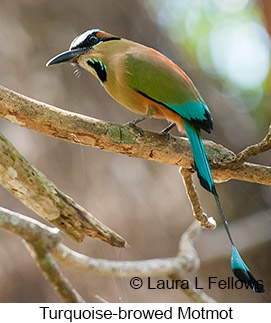
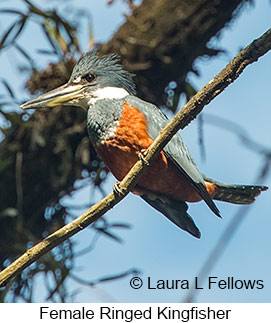
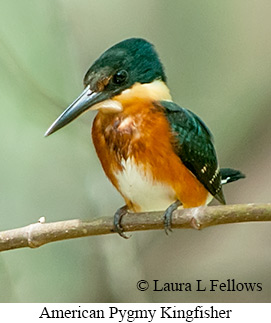
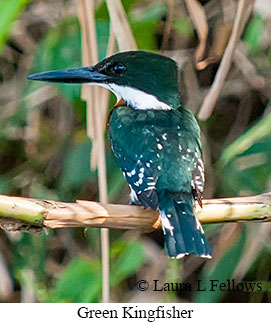
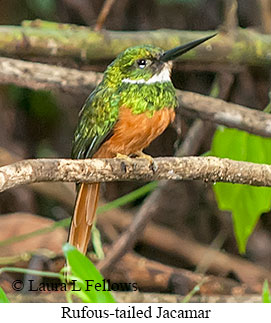
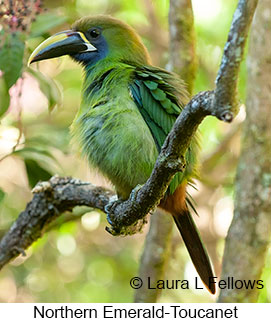
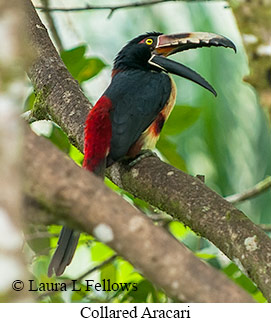
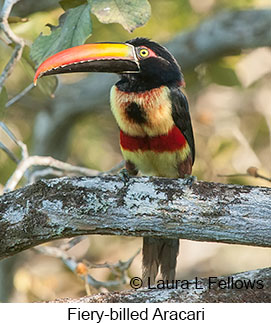
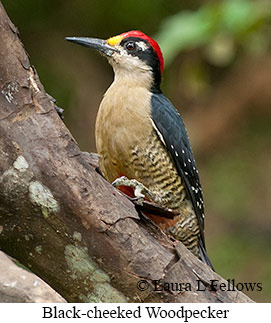
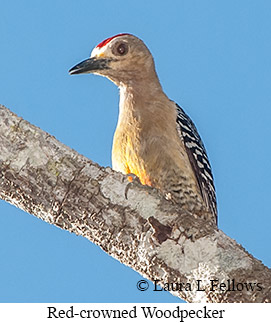
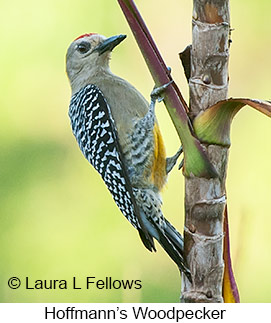
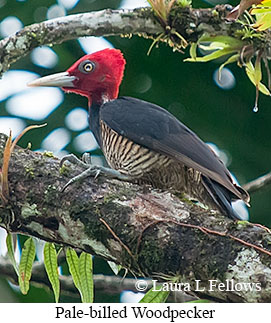
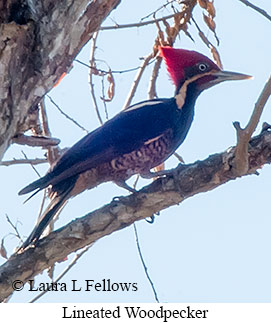
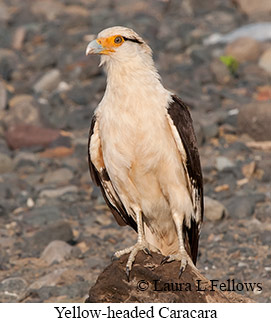
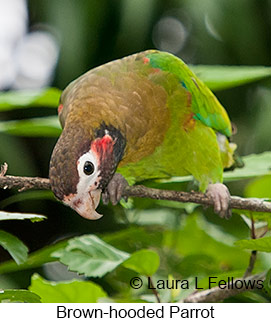
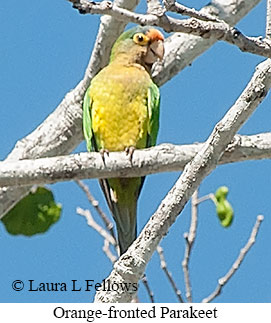
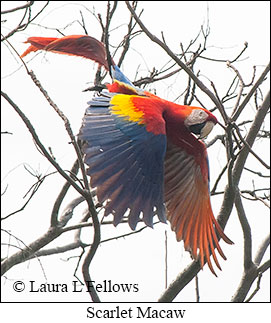
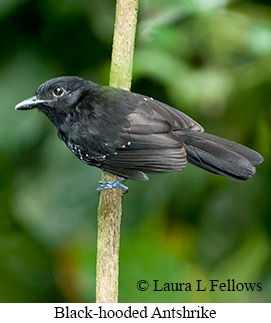
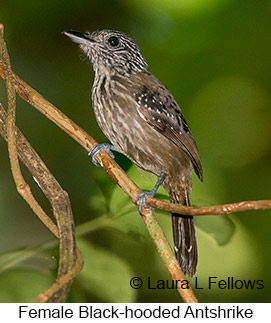
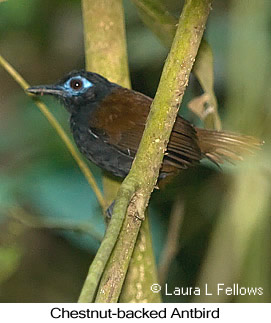
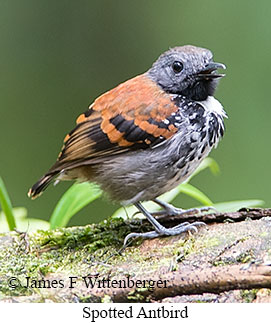
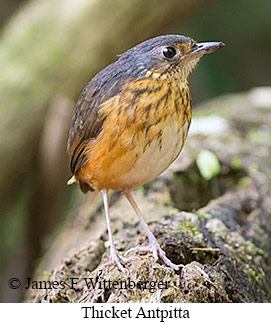
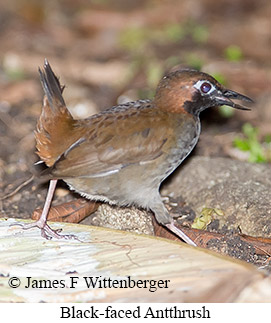
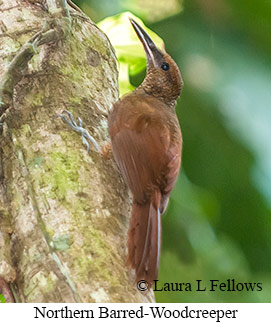
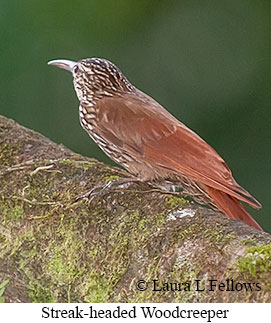
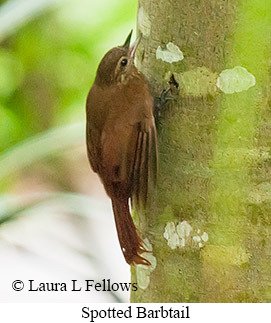
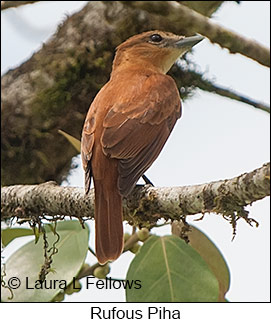
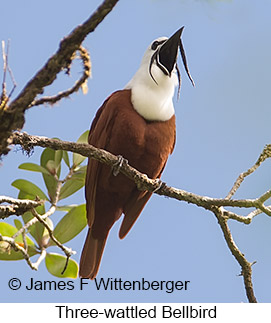
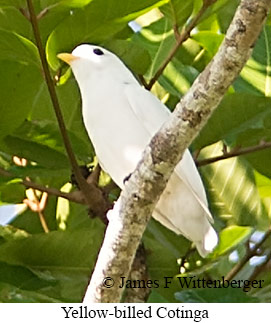
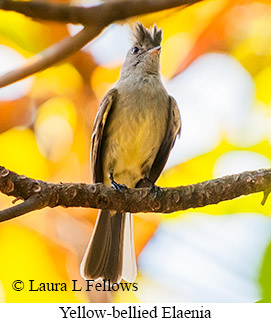
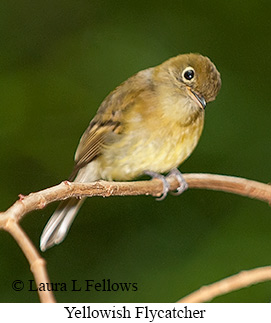
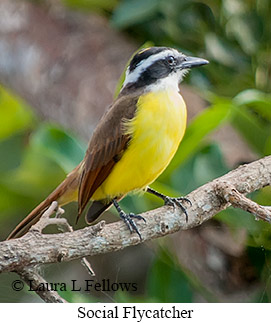
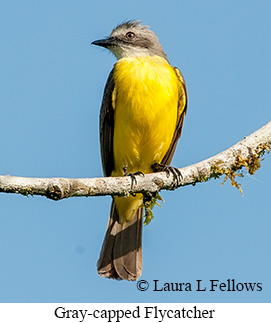
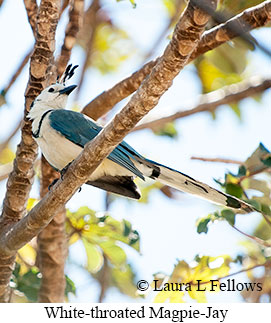
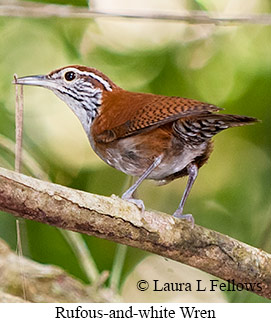
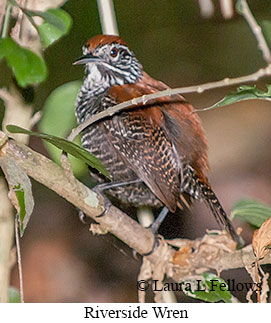
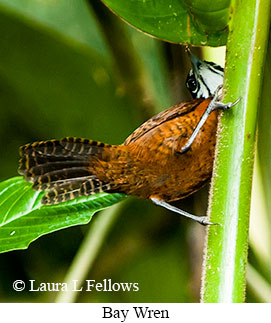
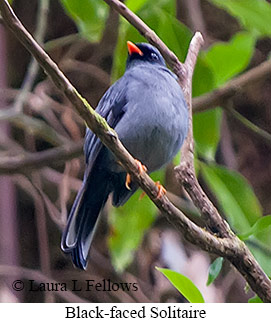
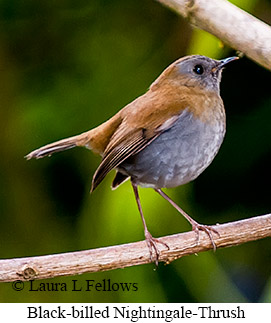
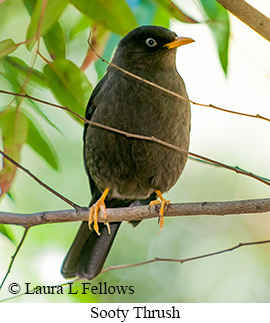
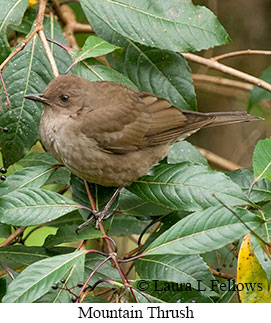
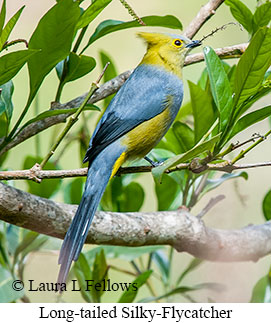
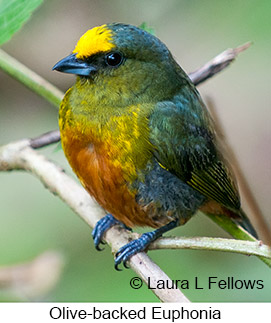
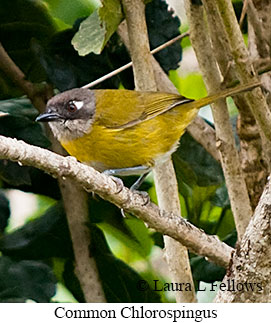
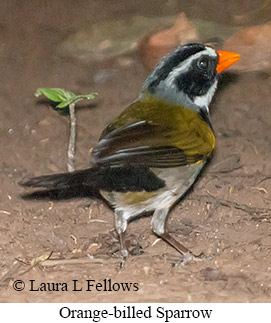
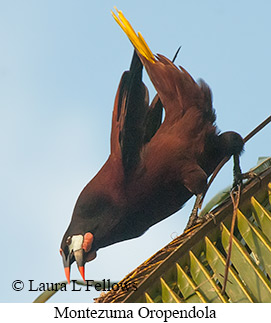
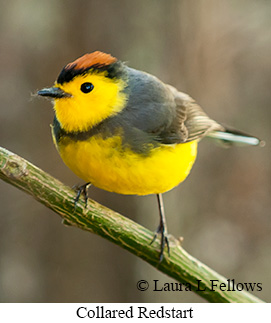
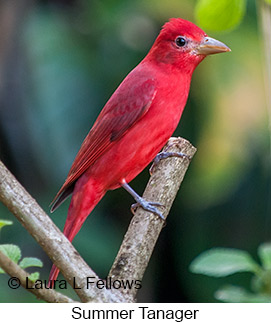
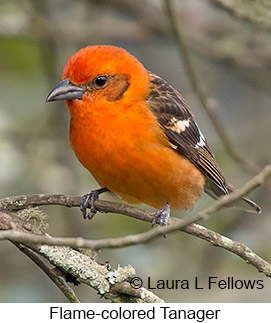
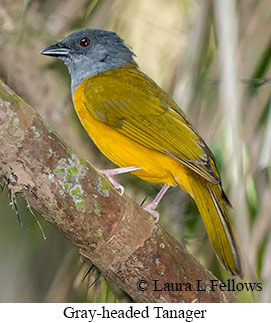
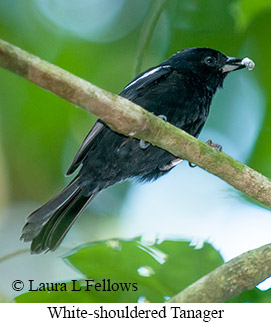
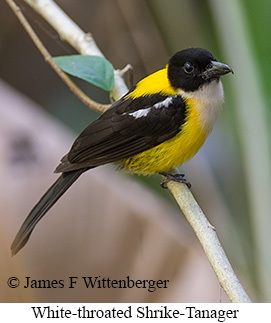
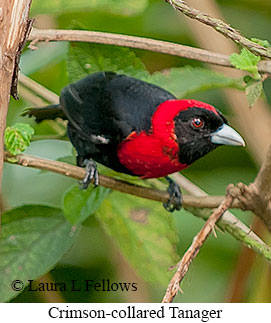
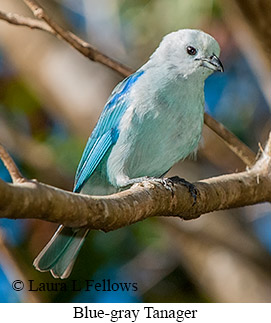
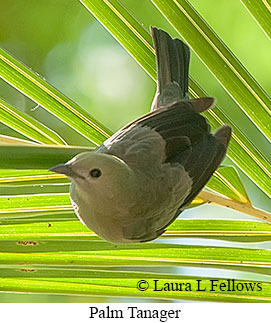
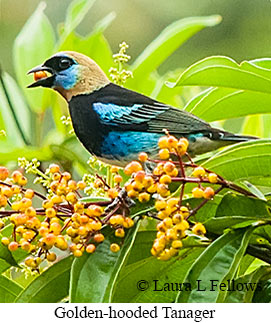
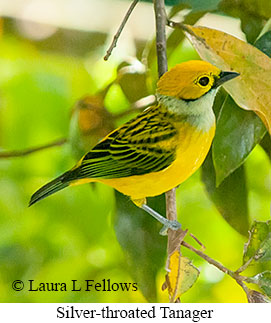
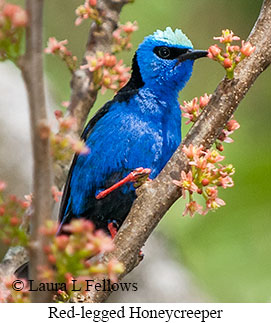
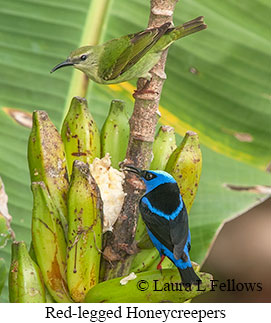
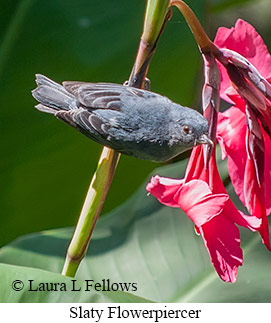
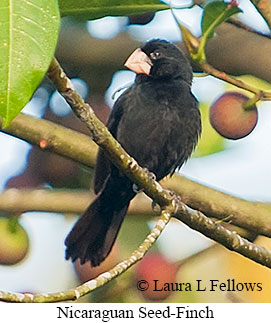
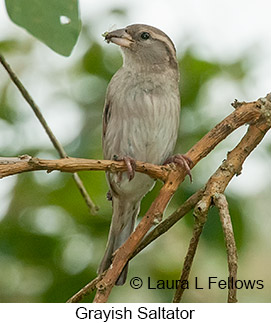
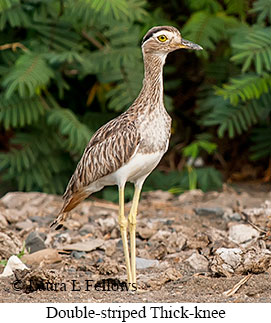
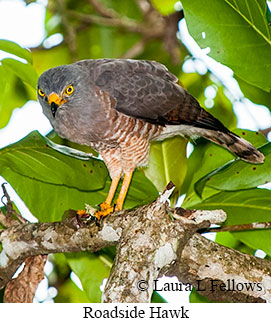
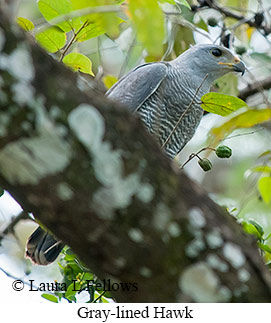
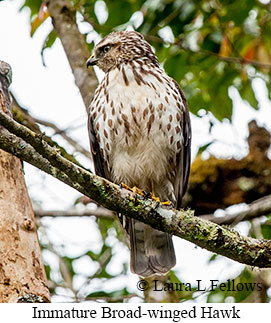
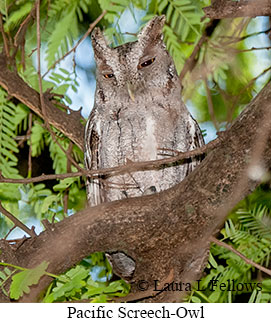
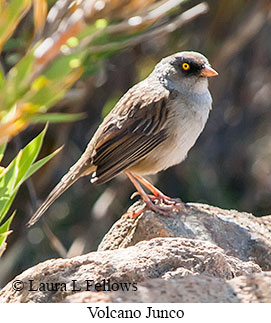
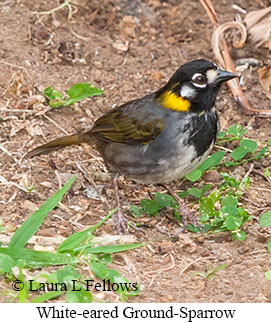
Great Tinamou - © Laura L Fellows and Exotic Birding LLC Little Tinamou - © James F Wittenberger and Exotic Birding LLC Black Guan - © Laura L Fellows and Exotic Birding LLC Crested Guan - © Laura L Fellows and Exotic Birding LLC Great Curassow - © Laura L Fellows and Exotic Birding LLC Gray-headed Chachalaca - © Laura L Fellows and Exotic Birding LLC Inca Dove - © Laura L Fellows and Exotic Birding LLC Gray-chested Dove - © Laura L Fellows and Exotic Birding LLC White-winged Dove - © Laura L Fellows and Exotic Birding LLC Lesser Ground-Cuckoo - © James F Wittenberger and Exotic Birding LLC Squirrel Cuckoo - © Laura L Fellows and Exotic Birding LLC Green Hermit - © Laura L Fellows and Exotic Birding LLC Long-billed Hermit - © Laura L Fellows and Exotic Birding LLC Brown Violetear - © Laura L Fellows and Exotic Birding LLC Green Violetear - © Laura L Fellows and Exotic Birding LLC Green-crowned Brilliant - © Laura L Fellows and Exotic Birding LLC Green-crowned Brilliant - © Laura L Fellows and Exotic Birding LLC Volcano Hummingbird - © Laura L Fellows and Exotic Birding LLC Scintillant Hummingbird - © Laura L Fellows and Exotic Birding LLC Violet Sabrewing - © Laura L Fellows and Exotic Birding LLC Snowcap - © Laura L Fellows and Exotic Birding LLC Blue-throated Goldentail - © Laura L Fellows and Exotic Birding LLC Uniform Crake - © James F Wittenberger and Exotic Birding LLC White-throated Crake - © James F Wittenberger and Exotic Birding LLC Sungrebe - © Laura L Fellows and Exotic Birding LLC Double-striped Thick-knee - © Laura L Fellows and Exotic Birding LLC Northern Jacana - © Laura L Fellows and Exotic Birding LLC Sunbittern - © Laura L Fellows and Exotic Birding LLC Fasciated Tiger-Heron - © Laura L Fellows and Exotic Birding LLC Boat-billed Heron - © Laura L Fellows and Exotic Birding LLC Yellow-crowned Night-Heron - © Laura L Fellows and Exotic Birding LLC Little Blue Heron - © Laura L Fellows and Exotic Birding LLC Cattle Egret - © Laura L Fellows and Exotic Birding LLC Common Black Hawk - © Laura L Fellows and Exotic Birding LLC Great Black Hawk - © Laura L Fellows and Exotic Birding LLC Roadside Hawk - © Laura L Fellows and Exotic Birding LLC Gray-lined Hawk - © Laura L Fellows and Exotic Birding LLC Broad-winged Hawk - © Laura L Fellows and Exotic Birding LLC Pacific Screech-Owl - © Laura L Fellows and Exotic Birding LLC Crested Owl - © James F Wittenberger and Exotic Birding LLC Spectacled Owl - © James F Wittenberger and Exotic Birding LLC Costa Rican Pygmy-Owl - © Laura L Fellows and Exotic Birding LLC Ferruginous Pygmy-Owl - © Laura L Fellows and Exotic Birding LLC Black-and-white Owl - © Laura L Fellows and Exotic Birding LLC Resplendent Quetzal - © Laura L Fellows and Exotic Birding LLC Slaty-tailed Trogon - © Laura L Fellows and Exotic Birding LLC Baird's Trogon - © Laura L Fellows and Exotic Birding LLC Blue-crowned Motmot - © Laura L Fellows and Exotic Birding LLC Turquoise-browed Motmot - © Laura L Fellows and Exotic Birding LLC Ringed Kingfisher - © Laura L Fellows and Exotic Birding LLC American Pygmy Kingfisher - © Laura L Fellows and Exotic Birding LLC Green Kingfisher - © Laura L Fellows and Exotic Birding LLC Rufous-tailed Jacamar - © Laura L Fellows and Exotic Birding LLC Northern Emerald-Toucanet - © Laura L Fellows and Exotic Birding LLC Collared Aracari - © Laura L Fellows and Exotic Birding LLC Fiery-billed Aracari - © Laura L Fellows and Exotic Birding LLC Black-cheeked Woodpecker - © Laura L Fellows and Exotic Birding LLC Red-crowned Woodpecker - © Laura L Fellows and Exotic Birding LLC Hoffmann's Woodpecker - © Laura L Fellows and Exotic Birding LLC Pale-billed Woodpecker - © Laura L Fellows and Exotic Birding LLC Lineated Woodpecker - © Laura L Fellows and Exotic Birding LLC Yellow-headed Caracara - © Laura L Fellows and Exotic Birding LLC Brown-hooded Parrot - © Laura L Fellows and Exotic Birding LLC Orange-fronted Parakeet - © Laura L Fellows and Exotic Birding LLC Scarlet Macaw - © Laura L Fellows and Exotic Birding LLC Scarlet Macaw - © Laura L Fellows and Exotic Birding LLC Scarlet Macaw - © Laura L Fellows and Exotic Birding LLC Scarlet Macaw - © Laura L Fellows and Exotic Birding LLC Barred Antshrike - © Laura L Fellows and Exotic Birding LLC Black-hooded Antshrike - © Laura L Fellows and Exotic Birding LLC Black-hooded Antshrike - © Laura L Fellows and Exotic Birding LLC Chestnut-backed Antbird - © Laura L Fellows and Exotic Birding LLC Spotted Antbird - © James F Wittenberger and Exotic Birding LLC Thicket Antpitta - © James F Wittenberger and Exotic Birding LLC Black-faced Antthrush - © James F Wittenberger and Exotic Birding LLC Northern Barred-Woodcreeper - © Laura L Fellows and Exotic Birding LLC Streak-headed Woodcreeper - © Laura L Fellows and Exotic Birding LLC Spotted Barbtail - © Laura L Fellows and Exotic Birding LLC Rufous Piha - © Laura L Fellows and Exotic Birding LLC Three-wattled Bellbird - © James F Wittenberger and Exotic Birding LLC Yellow-billed Cotinga - © James F Wittenberger and Exotic Birding LLC Yellow-bellied Elaenia - © Laura L Fellows and Exotic Birding LLC Yellowish Flycatcher - © Laura L Fellows and Exotic Birding LLC Social Flycatcher - © Laura L Fellows and Exotic Birding LLC Gray-capped Flycatcher - © Laura L Fellows and Exotic Birding LLC White-throated Magpie-Jay - © Laura L Fellows and Exotic Birding LLC Rufous-and-white Wren - © Laura L Fellows and Exotic Birding LLC Riverside Wren - © Laura L Fellows and Exotic Birding LLC Bay Wren - © Laura L Fellows and Exotic Birding LLC Black-faced Solitaire - © Laura L Fellows and Exotic Birding LLC Black-billed Nightingale-Thrush - © Laura L Fellows and Exotic Birding LLC Sooty Thrush - © James F Wittenberger and Exotic Birding LLC Mountain Thrush - © Laura L Fellows and Exotic Birding LLC Long-tailed Silky-flycatcher - © Laura L Fellows and Exotic Birding LLC Olive-backed Euphonia - © Laura L Fellows and Exotic Birding LLC Common Chlorospingus - © James F Wittenberger and Exotic Birding LLC Orange-billed Sparrow - © Laura L Fellows and Exotic Birding LLC Volcano Junco - © Laura L Fellows and Exotic Birding LLC White-eared Ground-Sparrow - © Laura L Fellows and Exotic Birding LLC Montezuma Oropendola - © Laura L Fellows and Exotic Birding LLC Collared Redstart - © Laura L Fellows and Exotic Birding LLC Summer Tanager - © Laura L Fellows and Exotic Birding LLC Flame-colored Tanager - © Laura L Fellows and Exotic Birding LLC Gray-headed Tanager - © Laura L Fellows and Exotic Birding LLC White-shouldered Tanager - © Laura L Fellows and Exotic Birding LLC White-throated Shrike-Tanager - © James F Wittenberger and Exotic Birding LLC Crimson-collared Tanager - © Laura L Fellows and Exotic Birding LLC Blue-gray Tanager - © Laura L Fellows and Exotic Birding LLC Palm Tanager - © Laura L Fellows and Exotic Birding LLC Golden-hooded Tanager - © Laura L Fellows and Exotic Birding LLC Silver-throated Tanager - © Laura L Fellows and Exotic Birding LLC Red-legged Honeycreeper - © Laura L Fellows and Exotic Birding LLC Red-legged Honeycreeper - © Laura L Fellows and Exotic Birding LLC Slaty Flowerpiercer - © Laura L Fellows and Exotic Birding LLC Nicaraguan Seed-Finch - © Laura L Fellows and Exotic Birding LLC Grayish Saltator - © Laura L Fellows and Exotic Birding LLC
button Full Description

DAY 1 - ALAJUELA

International flights arrive in the afternoon or evening. After arrival, you'll take a tax to nearby Hotel Aeropuerto, located just 5 minutes from the airport. The hotel reimburses clients for the taxi in one direction, usually on the return to the airport at the end of the tour. Overnight at Hotel Aeropuerto.

DAY 2 - OROTINA, CEIBA-CASCAJAL ROAD, & CERRO LODGE

We'll depart Alajuela early for our first stop in the the Pacific lowlands, the Ceibo-Cascajal Road, located not far from Orotina. This site is not visited on most Costa Rica birding tours but offers excellent roadside birding through dry forest. The more forested areas are home to Black-headed Trogon, Turquoise-browed Motmot, Long-tailed Manakin, Tropical Royal-Flycatcher, Stub-tailed Spadebill, Nutting's Flycatcher, and Stripe-headed Sparrow. Scrubby areas offer Crested Bobwhite, Striped Cuckoo, the secretive Lesser Ground-Cuckoo, and wintering Grasshopper Sparrow and Painted Bunting. The open fields are home to Double-striped Thick-knee, Southern Lapwing, and Red-breasted Meadowlark. Early in the season he may also visit a site for the very difficult Rufous-necked Wood-Rail in the mangroves near Caldera. Also possible there is Mangrove Hummingbird. We'll bird this area until it starts getting hot in mid-morning. Then we'll continue on to Cerro Lodge, where we'll stay the next two nights. Along the way we'll stop at a site where we can often find White-throated Magpie-Jay, which is at the very southern end of its range around there.
We should arrive at the lodge in late morning and have a little time before lunch to bird the grounds. The lodge grounds feature some very nice gardens as well as some open dry forest along the access road. Over 200 species have been recorded on the lodge grounds. Numerous flowering plants in the gardens along with hummingbird feeders below the veranda attract hummingbirds such as Green Hermit, Green Thorntail, Green-crowned Brilliant, Purple-throated Mountain-gem, Violet Sabrewing, Coppery-headed Emerald, Black-bellied Hummingbird, Blue-vented Hummingbird. Cinnamon Hummingbird. and Rufous-tailed Hummingbird.

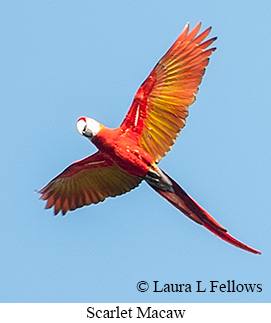
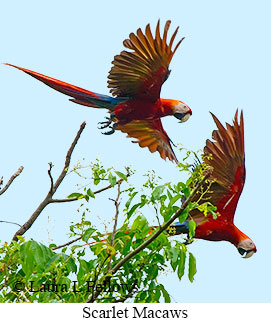
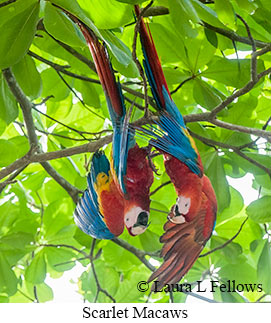
During early afternoon we have the option of taking a boat trip along the nearby Tarcoles River. The main birds of interest are found in the Mangroves near the mouth of the river. These are Mangrove Hummingbird, Panama Flycatcher, Mangrove Vireo, and Mangrove Warbler, a color morph of the Yellow Warbler. Other species we're likely to see along the river include Fasciated Tiger-Heron, Common Black-Hawk, Amazon Kingfisher, and Double-striped Thick-knee. We'll devote the rest of the afternoon to birding near the lodge and from the veranda overlooking the gardens. Some of the birds we regularly see around the lodge includes Common Ground Dove, Black-headed Trogon, Hoffmann's Woodpecker, Orange-chinned Parakeet, Orange-fronted Parakeet, Crimson-fronted Parakeet, Rufous-backed Wren, and Streak-backed Oriole. Sometimes the rare Yellow-billed Cotinga shows up as well. Late in the afternoon Scarlet Macaws usually appear at feeders behind the dining room.

The lodge has recently added an observation tower atop a hill, allowing good views of canopy birds. Late afternoon is a good time to climb up there. It's a good place for sightings of the uncommon Crane Hawk as well as other raptors such as Hook-billed Kite, Gray-headed Kite, Gray Hawk, Gray-lined Hawk, Short-tailed Hawk, and Bat Falcon.

The access road is a good place for owling. Possible species include Pacific Screech-Owl, Spectacled Owl, and Black-and-white Owl. Overnight at Cerro Lodge.

DAY 3 - CARARA NATIONAL PARK

We'll devote most of a full day to birding Carara National Park. The park is in a transitional zone between northern and southern Pacific coastal areas and attracts a nice combination of northern and southern species. This park is one of the premier birding locales in Costa Rica. It features two main trails. The Laguna Meandrica Trail is flat and wide, an easy walk that parallels the Tarcoles River and leads through secondary forest. It harbors the highest species diversity in the park. The Headquarters trail is also flat but is mainly asphalt and boardwalk leading through primary rainforest. It has lower species diversity but is home to a number of specials restricted to that habitat.

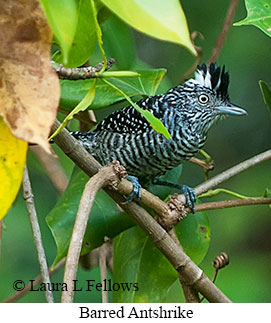
We'll spend the morning birding the Laguna Meandrica Trail. Specialties typically seen along the trail include White-whiskered Puffbird, Baird's Trogon, Black-hooded Antshrike, Slaty Antwren, Chestnut-backed Antwren, Orange-collared Manakin, Rufous-naped Wren, Black-bellied Wren, Rufous-and-white Wren, Scarlet-rumped Tanager, and Spot-crowned Euphonia. With luck one could also find Long-tailed Manakin and Rufous-breasted Wren. At the end of the trail are some ponds where roosting Boat-billed Herons are normally present in thick understory near the river. Also present sometimes are Black-bellied Whistling-Ducks.

We'll return to our lodge for lunch and take an afternoon break, spending our time looking at hummingbirds and other species around the gardens. Late in the afternoon we'll return to Carara to bird the Headquarters Trail. Birds we'll be looking for include Gray-chested Dove, Bronzy Hermit, White-whiskered Puffbird, Black-hooded Antshrike, Streak-chested Antpitta, Tawny-winged Woodcreeper, Northern Bentbill, Stub-tailed Spadebill, Riverside Wren, Long-billed Gnatwren, Orange-billed Sparrow, and Yellow-throated Euphonia. Overnight at Cerro Lodge.

DAY 4 - TALAMANCA HIGHLANDS & SAN GERARDO DE DOTA

We have a fairly long day of driving and birding on our way to our next destination, the valley of San Gerardo de Dota in the Talamanca Mountains of central Costa Rica. The drive itself is about 4 hours, but there is plenty of birding en route so we won't arrive in the valley until late afternoon. We'll be driving along the coast as far south as Dominical before turning inland. We'll be passing through Manuel Antonio National Park but won't spend any time there as many Costa Rican tourists from San Jose are usually there enjoying the beaches. Instead, we'll keep on going toward Quepos and then south along the now paved road to Dominical. En route we'll make some short stops to look for coastal species such as Bare-throated Tiger-Heron, Brown Booby, Northern Jacana, wintering shorebirds, gulls, and terns. Quepos is one of the best places to see the little known Spot-fronted Swift, so we'll stop there to look for it.

We'll stop in San Isidro de El General for lunch before ascending a rather steep winding road into the Talamanca Mountains. Once in the mountains we'll stop at La Georgina Restaurant, a well-known place for seeing high elevation specials. The elevation at the restaurant is about 10,000 ft so the hummingbird feeders and habitat below the balcony attract some specials not found at lower elevation. The hummingbird feeders are especially good for seeing Fiery-throated Hummingbird and Volcano Hummingbird. The former is a high-altitude species not usually occurring around our lodge in San Gerardo de Dota. Seed feeders and alpine scrub below the restaurant often draw in other specialties such as Ruddy-capped Nightingale-Thrush, Sooty Finch, Elegant Euphonia, and Large-footed Finch.

After our fairly short stop at the restaurant, we'll continue north and turn off to take the winding road to the top of Cerro de la Muerte, so-named because for a long time people had to travel through these mountains on horseback or on foot to reach San Jose before the highland road was constructed in the 1950's, and ill-prepared travelers sometimes perished en route. Birding the road up to the antenna area atop Cerro de la Muerte should produce several high elevation specialties, notably Timberline Wren, Peg-billed Finch, Sooty-capped Chlorospingus, Volcano Junco, and Large-footed Finch.

After birding the road up to Cerro de la Muerte, we'll continue north to the turnoff leading into the valley of San Gerardo de Dota. We try to stay at Savegre Mountain Hotel in the valley, but it sometimes gets booked early by cruise ship passengers. In that case we'll stay at neary Trogon Lodge or one of the other lodges in the valley. All are very nice. Our birding activities will depend somewhat on which lodge we stay at.

All the lodges have hummingbird feeders, so we'll spend our time after arrival viewing hummingbirds that could include Lesser Violetear, Green-crowned Brilliant, Talamanca Hummingbird, Purple-throated Mountain-gem, White-throated Mountain-gem, Scintillant Hummingbird, Crowned Woodnymph, and Rufous-tailed Hummingbird. Overnight at Savegre Mountain Hotel or similar.

DAY 5 - PARAISO QUETZAL & SAN GERARDO DE DOTA

This morning we'll depart very early for an excursion to Paraiso Quetzal, a lodge above the valley along the main road in the highlands, where they have a program for getting good views of Resplendent Quetzals on a local finca. We'll spend a couple hours there enjoying some really great views of this spectacular bird. Then we'll return to the Paraiso Quetzal Lodge for breakfast and some viewing of hummingbirds coming to feeders there.
Savegre Mountain Hotel owns a private reserve above the lodge and also along the river that runs through the valley. If we're not able to stay there, we plan on arranging to bird their property. We'll want to drive high up the mountain behind the hotel in the afternoon and bird the trail going back down. It's possible to see Resplendent Quetzal once again, though not reliably so. More importantly, we'll seek other highland species of note such as Spotted Wood-Quail, Ruddy Pigeon, Barred Parakeet, Sulphur-winged Parakeet, Lineated Foliage-gleaner, Streak-breasted Treehunter, Ruddy Treerunner, Mountain Elaenia, Yellow-winged Vireo, Black-faced Solitaire, Black-billed Nightingale-Thrush, Long-tailed Silky-Flycatcher, Black-cheeked Warbler, Wrenthrush, Spangle-cheeked Tanager, Silver-throated Tanager, Peg-billed Finch, and Flame-colored Tanager. Overnight at Savegre Mountain Hotel or similar.
DAY 6 - RESERVA EL COPAL & QUELITALES

We'll depart early for Reserva el Copal, located in the highlands southeast of Cartagena on the Caribbean slope of Costa Rica, about a 3-hour drive. El Copal is a community run project located between Turrialba and Tapanti and features some very good birding. The habitat and birds are similar to those at Rancho Naturalista, which has become exhorbitantly expensive, and there is more forest at El Copal. The most common hummingbird in most of Costa Rica is the Rufous-tailed Hummingbird, but at El Copal that species is actually quite scarce while the most common species is the usually quite uncommon Green Thorntail. Other hummingbirds feeding on flowering bushes and Heliconias include Bronzy Hermit, Green Hermit, Lesser Violetear, Purple-crowned Fairy, Green-crowned Brilliant, White-bellied Mountain-gem, Purple-throated Mountain-gem, White-throated Mountain-gem, Scintillant Hummingbird, Crowned Woodnymph, Snowcap, and Black-bellied Hummingbird.

We'll spend much of the day birding this foothill site. It's especially good for tanagers, including Flame-colored Tanager, White-winged Tanager, Red-throated Ant-Tanager, Tawny-crested Tanager, Crimson-collared Tanager, Scarlet-rumped Tanager, Speckled Tanager, Golden-hooded Tanager, Spangle-cheeked Tanager, Rufous-winged Tanager, Bay-headed Tanager, Emerald Tanager, and Silver-throated Tanager. Many other forest birds are also present. In late afternoon we'll continue on to our hotel near the town of Quelitales. The hotel grounds have hummingbird feeders and gardens that attract about 70% of all hummingbird species found in Costa Rica (more than 30 species), so we'll spend some time relaxing there after arrival. Overnight at Hotel Quelitales.
DAY 7 - HOTEL QUELITALES & SARAPIQUI

We'll spend this morning birding the grounds around Hotel Quelitales. The hotel is surrounded by cloud forest, and some 460 species have been recorded on the property. It's a reliable place to see the extremely elusive Scaled Antpitta from a hide on the property. Other key species of interest include Red-headed Barbet, Ochre-breasted Antpitta, Dark Pewee, Slaty-backed Nightingale-Thrush, Sooty-faced Finch, and Cabanis's Ground-Sparrow.

After lunch at the lodge, we'll transfer to the Sarapiqui area near Puerto Viejo. Along the way we'll stop near El Tapir Nature Reserve to look for Snowcap and other hummingbirds in the flowering beds. This site has always been one of the most reliable places to see Snowcaps, a prized target species of the tour. The very uncommon, tiny Black-crested Coquette can sometimes be seen there as well. From there we'll continue on to Puerto Viejo, stopping to bird some additional sites along the way before arriving in Puerto Viejo. The main target species at these sites are Canebrake Wren, a split from Plain Wren, and Gray-crowned Yellowthroat. Raptors such as White Hawk, Gray-lined Hawk, and Bat Falcon are also possible. Overnight at Hotel Ara Ambigua.

DAY 8 - LA SELVA BIOLOGICAL STATION, SELVA VERDE, & TRANSFER

We'll depart very early for nearby La Selva Biological Station, probably birding the entrance road before entering the reserve. Over 400 species have been recorded in this reserve. Access to some trails is restricted for most groups, but we can usually get exceptional access because our guide is Costa Rican and works at La Selva when not guiding groups. In addition to the entrance road, birding is around the clearing near the visitor center and along an extensive network of trails through primary and secondary forest.

It's preferable to bird the forest interior early when bird activity is at its best. Several hundred species are possible, and we see different ones on every visit, which is typical when birding in rainforest. Possibilities include Great Tinamou, Semiplumbeous Hawk, Chestnut-colored Woodpecker, Pale-billed Woodpecker, Fasciated Antshrike, Great Antshrike, Black-crowned Antshrike, Black-headed Tody-Flycatcher, Bare-necked Umbrellabird, White-collared Manakin, Crimson-collared Tanager, Golden-hooded Tanager, Dusky-faced Tanager, and many more. If an army ant swarm is encountered, obligate and opportunistic army ant followers such as Bicolored Antbird, Ocellated Antbird, Gray-headed Tanager and Red-throated Ant-Tanager are very possible. La Selva is a reliable site for seeing Snowy Cotinga, which we'll make a special effort to see.

At mid-day after birding has slowed substantially, we'll visit a site near town where the endangered Great Green Macaws are reliably found. From there we may drive the short distance to Selva Verde Lodge for lunch if Sunbitterns have been seen there recently along the river. After lunch we'll transfer to Alajuela, about a 3-hour drive, with birding stops en route. Our main target species along the way is the near-endemic Black-bellied Hummingbird near Cinchona. Many other hummingbirds also appear at the feeders there. Overnight at Hotel Aeropuerto in Alajuela.

DAY 9 - END OF TOUR

Our tour ends with breakfast at the hotel. International flights home.

button Special Birds

DISTRIBUTION CODES

CodeDescriptionCodeDescription
EEndemicLCLocal
NENear EndemicRRRestricted Range

color codes

1Slaty-breasted TinamouCrypturellus boucardi 
2Black GuanChamaepetes unicolorNE
3Crested GuanPenelope purpurascens 
4Great CurassowCrax rubraLC
5Tawny-faced QuailRhynchortyx cinctusLC
6Buffy-crowned Wood-PartridgeDendrortyx leucophrysLC
7Marbled Wood-QuailOdontophorus gujanensisRR
8Black-eared Wood-QuailOdontophorus melanotisLC
9Black-breasted Wood-QuailOdontophorus leucolaemusNE
10Maroon-chested Ground DoveParaclaravis mondetouraLC
11Violaceous Quail-DoveGeotrygon violaceaLC
12Buff-fronted Quail-DoveZentrygon costaricensisNE
13Purplish-backed Quail-DoveZentrygon lawrenciiNE
14Chiriqui Quail-DoveZentrygon chiriquensisNE
15Smooth-billed AniCrotophaga aniRR
16Lesser Ground-CuckooMorococcyx erythropygusRR
17Rufous-vented Ground-CuckooNeomorphus geoffroyi 
18/Chuck-will's-widow/Antrostomus carolinensis 
19Dusky NightjarAntrostomus saturatusNE
20Black SwiftCypseloides niger 
21Costa Rican SwiftChaetura fumosaNE
22|Chimney Swift|Chaetura pelagica 
23Brown VioletearColibri delphinaeLC
24Black-crested CoquetteLophornis helenaeRR
25<White-crested Coquette>Lophornis adorabilisNE
26Talamanca HummingbirdEugenes spectabilisNE
27Plain-capped StarthroatHeliomaster constantiiRR
28Fiery-throated HummingbirdPanterpe insignisNE
29White-bellied Mountain-gemLampornis hemileucusNE
30Purple-throated Mountain-gemLampornis calolaemusNE
31White-throated Mountain-gemLampornis castaneoventrisE
32Magenta-throated WoodstarPhilodice bryantaeNE
33Volcano HummingbirdSelasphorus flammulaNE
34Scintillant HummingbirdSelasphorus scintillaNE
35Garden EmeraldChlorostilbon assimilisNE
36SnowcapMicrochera albocoronataLC
37Coppery-headed EmeraldMicrochera cupreicepsE
38White-tailed EmeraldMicrochera chionuraNE
39Stripe-tailed HummingbirdEupherusa eximiaRR
40Black-bellied HummingbirdEupherusa nigriventrisNE
41Snowy-bellied HummingbirdSaucerottia edwardNE
42Mangrove HummingbirdChrysuronia boucardiE
43Charming HummingbirdPolyerata decoraNE
44Rufous-necked Wood-RailAramides axillarisRR
45SungrebeHeliornis fulicaLC
46LimpkinAramus guaraunaRR
47Double-striped Thick-kneeHesperoburhinus bistriatusRR
48Collared PloverAnarhynchus collarisLC
49/Semipalmated Sandpiper/Calidris pusilla 
50/Elegant Tern/Thalasseus elegans 
51Fasciated Tiger-HeronTigrisoma fasciatumLC
52Boat-billed HeronCochlearius cochleariusLC
53Agami HeronAgamia agamiLC
54Pinnated BitternBotaurus pinnatusLC
55/Reddish Egret/Egretta rufescens 
56Gray-headed KiteLeptodon cayanensisLC
57Ornate Hawk-EagleSpizaetus ornatus 
58Crested EagleMorphnus guianensis 
59Harpy EagleHarpia harpyja 
60Solitary EagleButeogallus solitariusLC
61Harris's HawkParabuteo unicinctusRR
62Costa Rican Pygmy-OwlGlaucidium costaricanumNE
63Striped OwlAsio clamatorLC
64Unspotted Saw-whet OwlAegolius ridgwayiRR
65Resplendent QuetzalPharomachrus mocinno 
66Lattice-tailed TrogonTrogon clathratusNE
67Baird's TrogonTrogon bairdiiNE
68Keel-billed MotmotElectron carinatumLC
69Turquoise-browed MotmotEumomota superciliosaRR
70Pied PuffbirdNotharchus tectusRR
71Great JacamarJacamerops aureusRR
72Prong-billed BarbetSemnornis frantziiNE
73Fiery-billed AracariPteroglossus frantziiNE
74Yellow-throated ToucanRamphastos ambiguus 
75Keel-billed ToucanRamphastos sulfuratus 
76Acorn WoodpeckerMelanerpes formicivorusRR
77Golden-naped WoodpeckerMelanerpes chrysauchenNE
78Red-crowned WoodpeckerMelanerpes rubricapillusRR
79Hairy WoodpeckerLeuconotopicus villosusRR
80Crested CaracaraCaracara cheriwayRR
81Red-fronted ParrotletTouit costaricensisNE
82White-fronted AmazonAmazona albifronsRR
83Sulphur-winged ParakeetPyrrhura hoffmanniNE
84Olive-throated ParakeetEupsittula nana 
85Orange-fronted ParakeetEupsittula canicularis 
86Great Green MacawAra ambiguusLC
87Scarlet MacawAra macaoRR
88Rufous-rumped AntwrenEuchrepomis callinotaLC
89Black-hooded AntshrikeThamnophilus bridgesiNE
90Dull-mantled AntbirdSipia laemostictaNE
91Ochre-breasted AntpittaGrallaricula flavirostris 
92Silvery-fronted TapaculoScytalopus argentifronsNE
93Black-headed AntthrushFormicarius nigricapillusNE
94Gray-throated LeaftosserSclerurus albigularis 
95Tawny-winged WoodcreeperDendrocincla anabatinaRR
96Buffy TuftedcheekPseudocolaptes lawrenciiNE
97Streak-breasted TreehunterThripadectes rufobrunneusNE
98Chiriqui Foliage-gleanerAutomolus exsertusNE
99Ruddy TreerunnerMargarornis rubiginosusNE
100Pale-breasted SpinetailSynallaxis albescensRR
101Velvety ManakinLepidothrix velutinaRR
102Orange-collared ManakinManacus aurantiacusNE
103Bare-necked UmbrellabirdCephalopterus glabricollisNE
104Lovely CotingaCotinga amabilisLC
105<Turquoise Cotinga>Cotinga ridgwayiNE
106Three-wattled BellbirdProcnias tricarunculatus 
107<Yellow-billed Cotinga>Carpodectes antoniaeNE
108Speckled MournerLaniocera rufescensLC
109SharpbillOxyruncus cristatusLC
110Tropical Royal-FlycatcherOnychorhynchus coronatusE
111Gray-headed PipritesPiprites griseicepsLC
112Black-tailed FlycatcherMyiobius atricaudusLC
113Stub-tailed SpadebillPlatyrinchus cancrominusRR
114Olive-streaked FlycatcherMionectes olivaceusNE
115Sepia-capped FlycatcherLeptopogon amaurocephalusLC
116Rufous-browed TyrannuletPhylloscartes superciliarisLC
117Northern Beardless-TyrannuletCamptostoma imberbeRR
118Southern Beardless-TyrannuletCamptostoma obsoletumRR
119Yellow-crowned TyrannuletTyrannulus elatusRR
120Lesser ElaeniaElaenia chiriquensisRR
121Bran-colored FlycatcherMyiophobus fasciatusRR
122Tawny-chested FlycatcherAphanotriccus capitalisNE
123|Olive-sided Flycatcher|Contopus cooperi 
124Ochraceous PeweeContopus ochraceusNE
125Dark PeweeContopus lugubrisNE
126Black-capped FlycatcherEmpidonax atricepsNE
127Panama FlycatcherMyiarchus panamensisRR
128Nutting's FlycatcherMyiarchus nuttingiRR
129Brown-crested FlycatcherMyiarchus tyrannulusRR
130Scrub GreenletHylophilus flavipesRR
131Mangrove VireoVireo pallensRR
132Yellow-winged VireoVireo carmioliNE
133Silvery-throated JayCyanolyca argentigulaNE
134White-throated Magpie-JayCyanocorax formosaRR
135White-lored GnatcatcherPolioptila albilorisRR
136Nightingale WrenMicrocerculus philomelaRR
137Scaly-breasted WrenMicrocerculus marginatusRR
138Ochraceous WrenTroglodytes ochraceusNE
139Timberline WrenThryorchilus browniNE
140Grass WrenCistothorus platensisLC
141Rufous-backed WrenCampylorhynchus capistratusRR
142Black-bellied WrenPheugopedius fasciatoventrisRR
143Rufous-breasted WrenPheugopedius rutilusRR
144Banded WrenThryophilus pleurostictusRR
145Rufous-and-white WrenThryophilus rufalbusRR
146Riverside WrenCantorchilus semibadiusNE
147Black-faced SolitaireMyadestes melanopsNE
148Black-billed Nightingale-ThrushCatharus gracilirostrisNE
149Sooty ThrushTurdus nigrescensNE
150Black-and-yellow Silky-flycatcherPhainoptila melanoxanthaNE
151Long-tailed Silky-flycatcherPtiliogonys caudatusNE
152Golden-browed ChlorophoniaChlorophonia callophrysNE
153Scrub EuphoniaEuphonia affinisRR
154Thick-billed EuphoniaEuphonia laniirostrisRR
155Spot-crowned EuphoniaEuphonia imitansNE
156<Yellow-bellied Siskin>Spinus xanthogastrusRR
157Ashy-throated ChlorospingusChlorospingus canigularisLC
158Sooty-capped ChlorospingusChlorospingus pileatusNE
159Stripe-headed SparrowPeucaea ruficaudaRR
160Grasshopper SparrowAmmodramus savannarumRR
161Olive SparrowArremonops rufivirgatusRR
162Sooty-faced FinchArremon crassirostrisNE
163Volcano JuncoJunco vulcaniNE
164Large-footed FinchPezopetes capitalisNE
165Cabanis's Ground-SparrowMelozone cabanisiE
166Yellow-thighed BrushfinchAtlapetes tibialisNE
167Eastern MeadowlarkSturnella magna 
168Red-breasted MeadowlarkLeistes militarisRR
169Yellow-tailed OrioleIcterus mesomelasLC
170Streak-backed OrioleIcterus pustulatusRR
171Spot-breasted OrioleIcterus pectoralisLC
172/Golden-winged Warbler/Vermivora chrysoptera 
173Flame-throated WarblerOreothlypis gutturalisNE
174Olive-crowned YellowthroatGeothlypis semiflavaNE
175Cerulean WarblerSetophaga cerulea 
176Black-cheeked WarblerBasileuterus melanogenysNE
177Costa Rican WarblerBasileuterus melanotisNE
178Collared RedstartMyioborus torquatusNE
179WrenthrushZeledonia coronataNE
180Black-thighed GrosbeakPheucticus tibialisNE
181Blue SeedeaterAmaurospiza concolorLC
182/Painted Bunting/Passerina cirisLC
183White-throated Shrike-TanagerLanio leucothorax 
184Blue-and-gold TanagerBangsia arcaeiNE
185Spangle-cheeked TanagerTangara dowiiNE
186Rufous-winged TanagerTangara laviniaRR
187Black-and-yellow TanagerChrysothlypis chrysomelasNE
188Slaty FlowerpiercerDiglossa plumbeaNE
189<Slaty Finch>Haplospiza rusticaRR
190<Peg-billed Finch>Acanthidops bairdiNE
191Yellow-bellied SeedeaterSporophila nigricollisLC
192Streaked SaltatorSaltator striatipectusRR