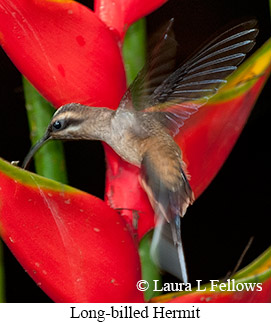
DAY 1 - ALAJUELA
International flights arrive in the afternoon or evening. After arrival, you'll take a tax to nearby Hotel Aeropuerto, located just 5 minutes from the airport. The hotel reimburses clients for the taxi in one direction, usually on the return to the airport at the end of the tour. Overnight at Hotel Aeropuerto.
DAY 2 - OROTINA, CEIBA-CASCAJAL ROAD, & CERRO LODGE
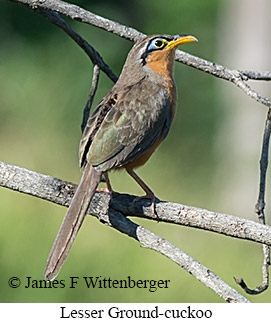
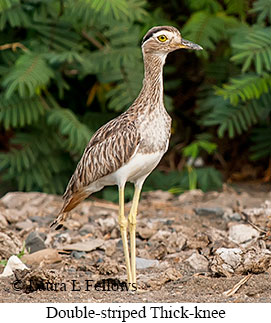
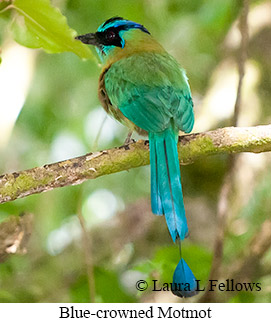
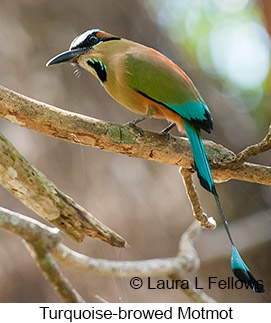
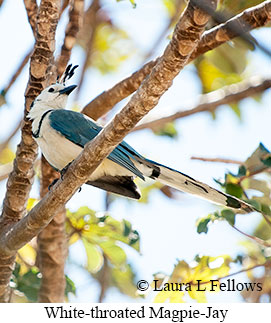
We'll depart Alajuela early for our first stop in the the Pacific lowlands, the Ceibo-Cascajal Road, located not far from Orotina. This site is not visited on most Costa Rica birding tours but offers excellent roadside birding through dry forest. The more forested areas are home to Black-headed Trogon, Turquoise-browed Motmot, Long-tailed Manakin, Tropical Royal-Flycatcher, Stub-tailed Spadebill, Nutting's Flycatcher, and Stripe-headed Sparrow. Scrubby areas offer Crested Bobwhite, Striped Cuckoo, the secretive Lesser Ground-Cuckoo, and wintering Grasshopper Sparrow and Painted Bunting. The open fields are home to Double-striped Thick-knee, Southern Lapwing, and Red-breasted Meadowlark. Early in the season we may also visit a site for the very difficult Rufous-necked Wood-Rail in the mangroves near Caldera. Also possible there is Mangrove Hummingbird. We'll bird this area until it starts getting hot in mid-morning. Then we'll continue on to Cerro Lodge, where we'll stay the next two nights. Along the way we'll stop at a site where we can often find White-throated Magpie-Jay, which is at the very southern end of its range in this part of the country.
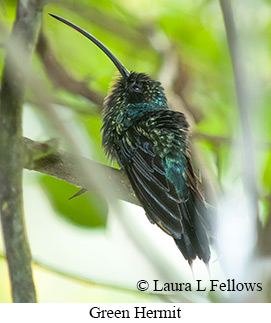
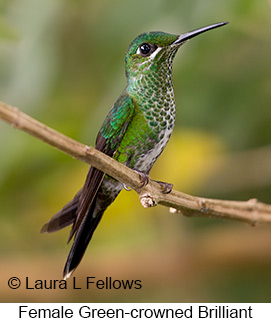
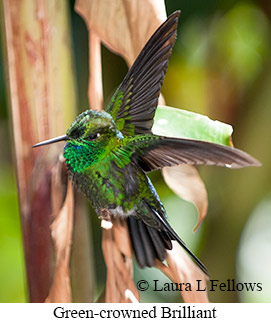
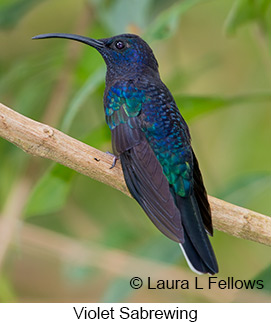
We should arrive at the lodge in late morning and have a little time before lunch to bird the grounds. The lodge grounds feature some very nice gardens as well as some open dry forest along the access road. Over 200 species have been recorded on the lodge grounds. Numerous flowering plants in the gardens along with hummingbird feeders below the veranda attract hummingbirds such as Green Hermit, Green Thorntail, Green-crowned Brilliant, Purple-throated Mountain-gem, Violet Sabrewing, Coppery-headed Emerald, Black-bellied Hummingbird, Blue-vented Hummingbird. Cinnamon Hummingbird. and Rufous-tailed Hummingbird.
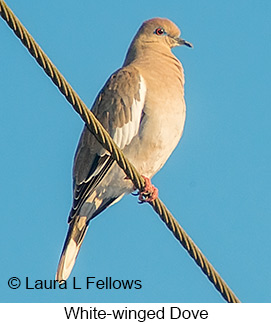
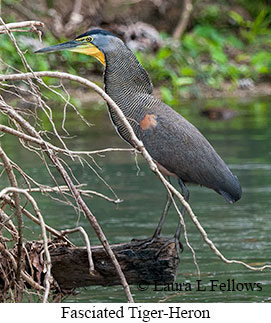
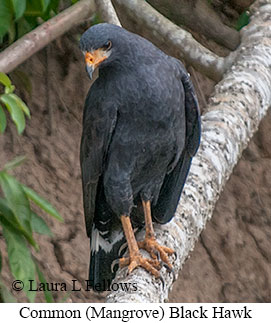
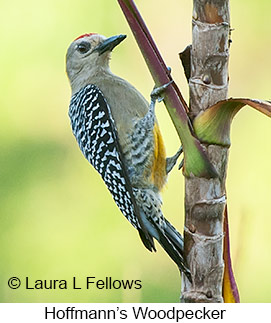
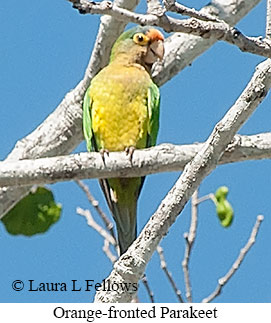
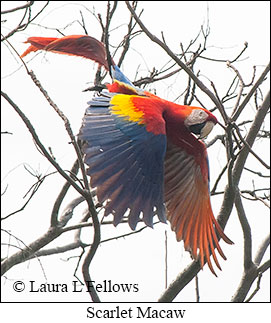
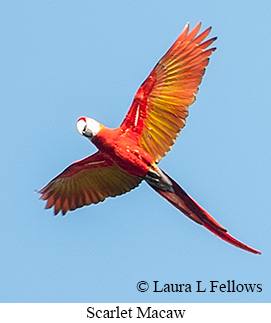
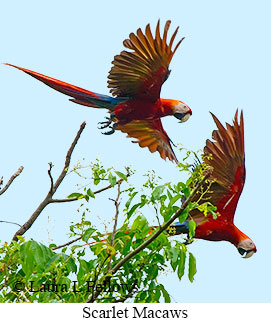
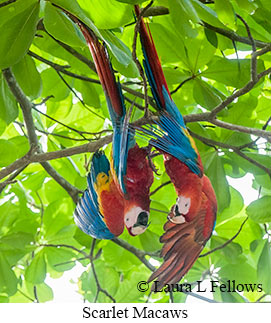
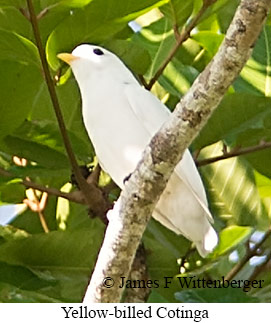
During early afternoon we have the option of taking a boat trip along the nearby Tarcoles River. The main birds of interest are found in the Mangroves near the mouth of the river. These are Mangrove Hummingbird, Panama Flycatcher, Mangrove Vireo, and Mangrove Warbler, a color morph of the Yellow Warbler. Other species we're likely to see along the river include Fasciated Tiger-Heron, Common Black-Hawk, Amazon Kingfisher, and Double-striped Thick-knee. We'll devote the rest of the afternoon to birding near the lodge and from the veranda overlooking the gardens. Some of the birds we regularly seen around the lodge include Common Ground Dove, Black-headed Trogon, Hoffmann's Woodpecker, Orange-chinned Parakeet, Orange-fronted Parakeet, Crimson-fronted Parakeet, Rufous-backed Wren, and Streak-backed Oriole. Sometimes the rare Yellow-billed Cotinga shows up as well. Late in the afternoon Scarlet Macaws usually appear at feeders behind the dining room.
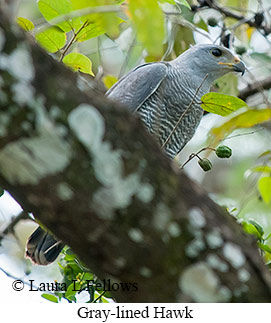
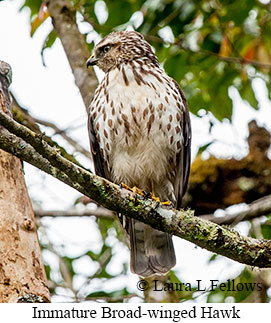
The lodge has recently added an observation tower atop a hill, allowing good views of canopy birds. Late afternoon is a good time to climb up there. It's a good place for sightings of the uncommon Crane Hawk as well as other raptors such as Hook-billed Kite, Gray-headed Kite, Gray Hawk, Gray-lined Hawk, Short-tailed Hawk, and Bat Falcon.
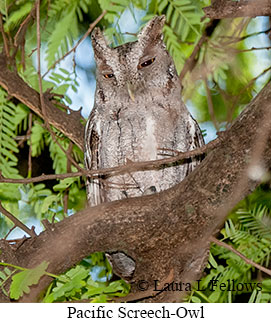
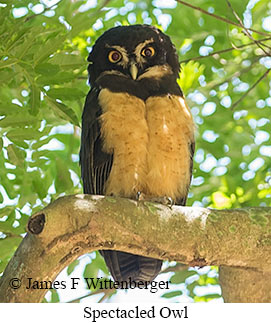
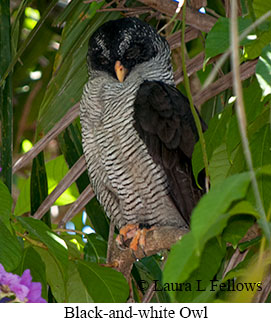
In early evening we may try for some nocturnal birds. The access road is a good place for owling. Possible species include Pacific Screech-Owl, Spectacled Owl, and Black-and-white Owl. Overnight at Cerro Lodge.
DAY 3 - CARARA NATIONAL PARK
We'll devote most of a full day to birding Carara National Park. The park is in a transitional zone between northern and southern Pacific coastal areas and attracts a nice combination of northern and southern species. This park is one of the premier birding locales in Costa Rica. It features two main trails. The Laguna Meandrica Trail is flat and wide, an easy walk that parallels the Tarcoles River and leads through secondary forest. It harbors the highest species diversity in the park. The Headquarters trail is also flat but is mainly asphalt and boardwalk leading through primary rainforest. It has lower species diversity but is home to a number of specials restricted to that habitat.
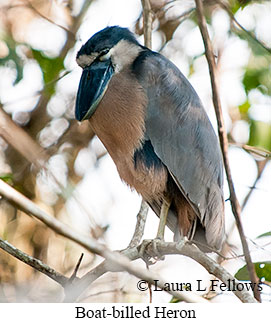
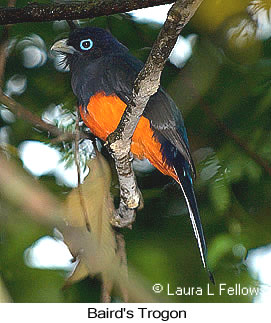
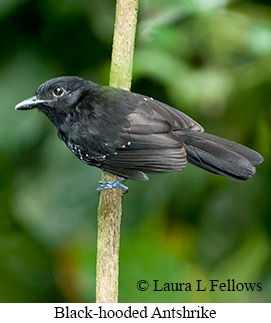
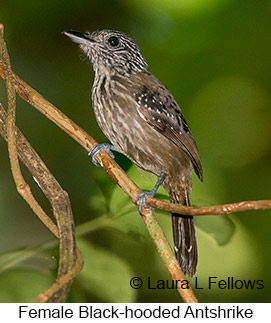
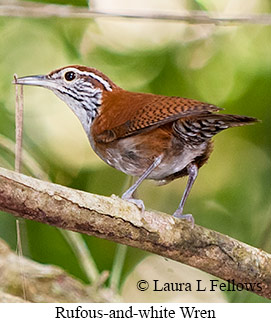
We'll spend the morning birding the Laguna Meandrica Trail. Specialties typically seen along the trail include White-whiskered Puffbird, Baird's Trogon, Black-hooded Antshrike, Slaty Antwren, Chestnut-backed Antwren, Orange-collared Manakin, Rufous-naped Wren, Black-bellied Wren, Rufous-and-white Wren, Scarlet-rumped Tanager, and Spot-crowned Euphonia. With luck one could also find Long-tailed Manakin and Rufous-breasted Wren. At the end of the trail are some ponds where roosting Boat-billed Herons are normally present in thick understory near the river. Also present sometimes are Black-bellied Whistling-Ducks.
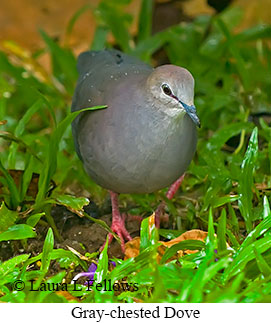
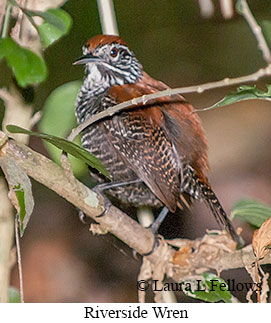
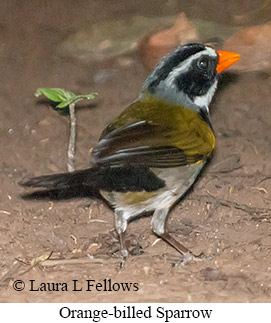
We'll return to our lodge for lunch and take an afternoon break, spending our time looking at hummingbirds and other species around the gardens. Late in the afternoon we'll return to Carara to bird the Headquarters Trail. Birds we'll be looking for include Gray-chested Dove, Bronzy Hermit, White-whiskered Puffbird, Streak-chested Antpitta, Tawny-winged Woodcreeper, Northern Bentbill, Stub-tailed Spadebill, Riverside Wren, Long-billed Gnatwren, Orange-billed Sparrow, and Yellow-throated Euphonia. Overnight at Cerro Lodge.
DAY 4 - TRANSFER & OSA PENINSULA
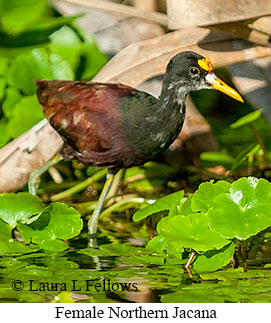
We have a fairly long day of driving and birding on our way to our next destination, the Osa Peninsula in southwestern Costa Rica. The drive itself is about 4½-5 hours, but there is plenty of birding en route so we won't arrive until mid afternoon. We'll be driving along the coast all the way to Rincon. We'll be passing through Manuel Antonio National Park but won't spend any time there as many Costa Rican tourists from San Jose are usually there enjoying the beaches. Instead, we'll keep on going toward Quepos and then south along the now paved road to Dominical and eventually the Osa Peninsula. En route we'll make some short stops to look for coastal species such as Bare-throated Tiger-Heron, Brown Booby, Northern Jacana, wintering shorebirds, gulls, and terns. Quepos is one of the best places to see the little known Spot-fronted Swift in Costa Rica, so we'll stop there to look for it.
As we reach the peninsula, we'll stop at the bridge over the Rincon River, a usually reliable site for the scarce and declining Yellow-billed Cotinga. From there we'll continue on to our lodge for the next 3 nights, Danta Corcovado Lodge, located 5km from the town of La Palma and very near Corcovado National Park. Since the lodge is not far from the Yellow-billed Cotinga Reserve, so if we missed the cotinga by the bridge we could well see it near the lodge. After arrival, we'll do some birding on the lodge grounds. Overnight at Danta Corcovado Lodge.
DAY 5 - OSA PENINSULA
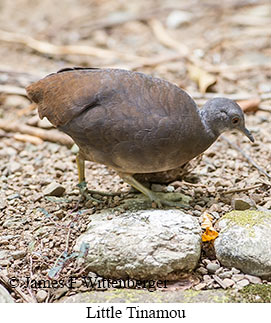
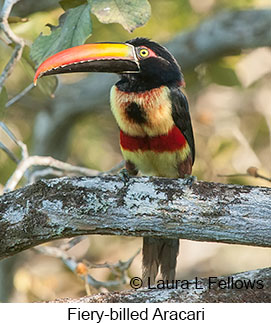
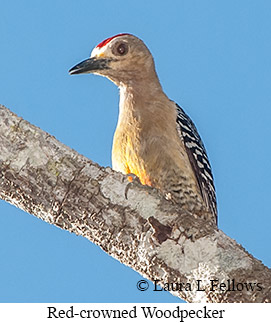
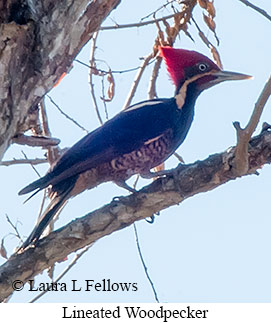
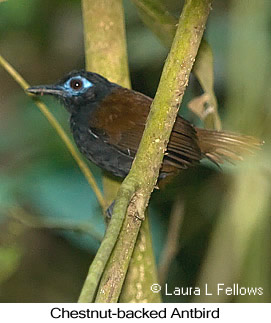
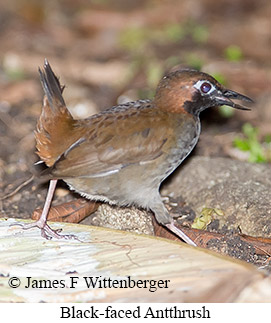
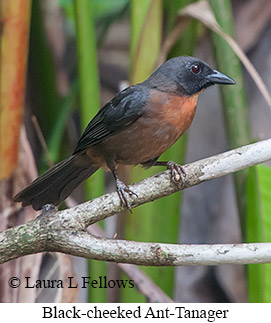
During our stay we'll bird the extensive trails around the lodge. The habitat on the lodge grounds is a mix of primary and secondary forest on the 30-hectare property. Key target species there include Rufous-winged Woodpecker, Black-hooded Antshrike, Chiriqui Foliage-gleaner, the erratically occurring Turquoise Cotinga, Isthmian Wren, Spot-crowned Euphonia, and Black-cheeked Ant-Tanager. We'll enjoy viewing the wing-snapping displays of male Orange-collared Manakins, Velvety Manakins, and Red-capped Manakins earnestly trying to attract females. Many other birds are possible including Little Tinamou, Marbled Wood-Quail, Bare-throated Tiger-Heron, various raptors, Fiery-billed Aracari, Yellow-throated Toucan, Red-crowned Woodpecker, Red-rumped Woodpecker, Rufous-winged Woodpecker, Black-faced Antthrush, Dot-winged Antwren, Dusky Antbird, Chestnut-backed Antbird, Ruddy Woodcreeper, numerous flycatchers, and numerous tanagers.
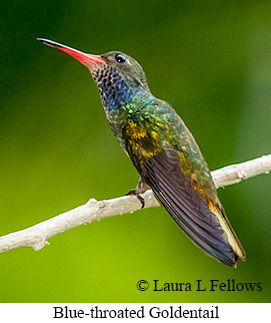
During mid-day we'll enjoy watching hummingbirds such as Band-tailed Barbthroat, Stripe-throated Hermit, Purple-crowned Fairy, White-crested Coquette, Long-billed Starthroat, Garden Emerald, Violet-headed Hummingbird, Mangrove Hummingbird, and Blue-throated Goldentail buzzing around the feeders. Overnight at Danta Corcovado Lodge.
DAY 6 - LA GAMBA TRAIL & WILSON BOTANICAL GARDENS
We'll depart very early this morning for an excursion to a different birding hotspot, the La Gamba Road that provides access to birding in the steeply mountainous Piedras Blancas National Park across the Golfito Bay. We have the option of taking an early ferry to Golfito or driving around the northside through Rincon. The former takes a half hour driving to reach Puerto Jimenez followed by a half hour ferry crossing. The latter takes an hour-and-a-half or two hours to reach Golfito.
The lower section of La Gamba Road goes through grassland before reaching primary rainforest and offers access to some very high species diversity. In the grassland we can expect to see Red-rumped Woodpecker, Rusty-margined Flycatcher, Fork-tailed Flycatcher, Red-breasted Meadowlark, Ruddy-breasted Seedeater, and Slate-colored Seedeater. The forest along the road is a very good place for spotting sometimes hard-to-find near-endemics such as Charming Hummingbird, Golden-naped Woodpecker, and Spot-crowned Euphonia, along with one of Costa Rica's few true endemics, the Black-cheeked Ant-Tanager. The entrance to the pricey Esquinas Lodge and nearby Tropenstation is a very good place to see White-crested Coquette We'll also be looking for Veraguan Mango in this area.
Around mid-day we'll transfer northeast to the town of San Vito for lunch and check-in at our hotel. After lunch, we'll drive over to nearby Wilson Botanical Gardens. These well-kept gardens attract a nice variety of birds and are one of the most reliable places for seeing Turquoise Cotinga. In addition to that species, we expect to see a good variety of garden and open woodland birds. Likely possibilities are Gray-necked Wood-Rail, Red-crowned Woodpecker, Brown-throated Parakeet, Red-headed Barbet, Fiery-billed Aracari, Scarlet-rumped Tanager, Orange-billed Sparrow, and 5 species of euphonias including Yellow-crowned Euphonia, Elegant Euphonia, Spot-crowned Euphonia, and White-vented Euphonia. Hummingbird feeders near the dining room may attract Magenta-throated Woodstar, Scaly-breasted Hummingbird, White-tailed Emerald, Violet Sabrewing, Charming Hummingbird, and Snowy-bellied Hummingbird. Overnight at a hotel in San Vito.
DAY 7 - TALAMANCA HIGHLANDS & SAN GERARDO DE DOTA
After breakfast we'll depart for the highlands. We have a fairly long day of driving and birding on our way to our next destination, the valley of San Gerardo de Dota in the Talamanca Mountains of central Costa Rica. The drive itself is about 4½-5 hours, but there is plenty of birding en route so we won't arrive in the valley until late afternoon.
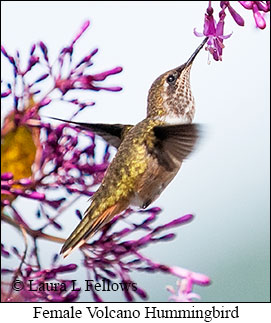
Our first stop will be at San Joaquin Wetlands outside San Vito to look for Chiriqui Yellowthroat, a possible future split from Olive-crowned Yellowthroat. From there we drive north through the town of San Isidro de El General and up a rather steep winding road into the Talamanca Mountains. Once in the mountains we'll stop at La Georgina Restaurant, a well-known place for seeing high elevation specials. The elevation at the restaurant is about 10,000ft so the hummingbird feeders and habitat below the balcony attract some species not found at lower elevation. The hummingbird feeders are especially good for seeing Fiery-throated Hummingbird and Volcano Hummingbird. The former is a high-altitude species not usually occurring around our lodge in San Gerardo de Dota. Seed feeders and alpine scrub below the restaurant often draw in other specialties such as Ruddy-capped Nightingale-Thrush, Elegant Euphonia, and Large-footed Finch, and the rare nomadic Slaty Finch.
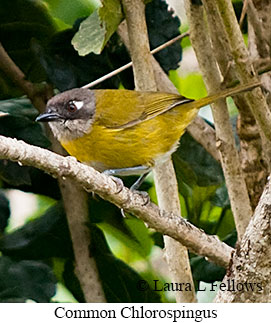
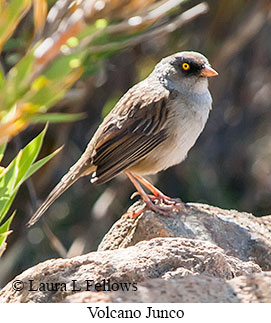
After our fairly short stop at the restaurant, we'll continue north and turn off to take the winding road to the top of Cerro de la Muerte, so-named because for a long time people had to travel through these mountains on horseback or on foot to reach San Jose before the highland road was constructed in the 1950's, and ill-prepared travelers sometimes perished en route. Birding the road up to the antenna area atop Cerro de la Muerte should produce several high elevation specialties, notably Timberline Wren, Peg-billed Finch, Sooty-capped Chlorospingus, Volcano Junco, and Large-footed Finch.
From Cerro de la Muerte we'll continue north to the turnoff leading down into the valley of San Gerardo de Dota. We'll stop at a local but quite pleasant restaurant at this road junction for lunch before continuing down into the valley of San Gerardo de Dota and our lodge. We try to stay at Savegre Mountain Hotel in the valley, but it sometimes gets booked early by cruise ship passengers. In that case we'll stay at neary Trogon Lodge or one of the other lodges in the valley. All are very nice. Our birding activities will depend somewhat on where we stay.
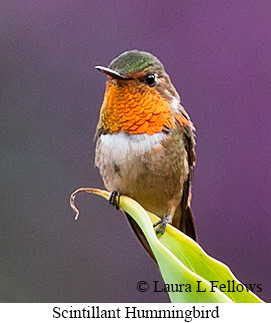
All the lodges have hummingbird feeders, so we'll spend our time after arrival viewing hummingbirds that could include Lesser Violetear, Green-crowned Brilliant, Talamanca Hummingbird, Purple-throated Mountain-gem, White-throated Mountain-gem, Scintillant Hummingbird, Crowned Woodnymph, and Rufous-tailed Hummingbird. Overnight at Savegre Mountain Hotel or similar.
DAY 8 - PARAISO QUETZAL & SAN GERARDO DE DOTA
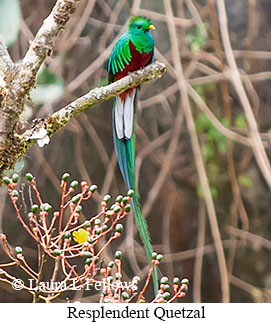
This morning we'll depart very early for an excursion to Paraiso Quetzal, a lodge above the valley along the main road in the highlands, where they have a program for getting good views of Resplendent Quetzals on a local finca. We'll spend a couple hours there enjoying some really great views of this spectacular bird. Then we'll return to the Paraiso Quetzal Lodge for breakfast and some viewing of hummingbirds coming to feeders there.
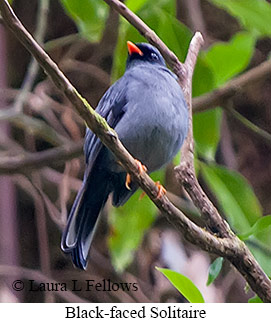
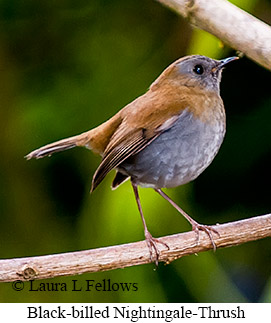
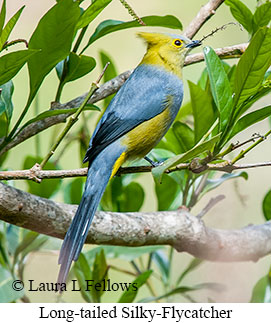
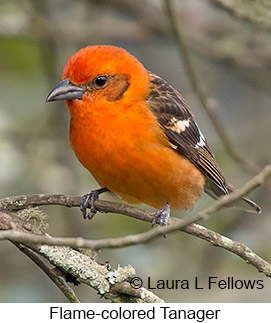
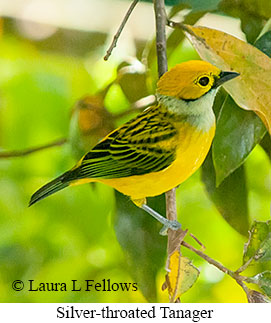
Savegre Mountain Hotel owns a private reserve above the lodge and also along the river that runs through the valley. If we're not able to stay there, we plan on arranging to bird their property. We'll want to drive high up the mountain behind the hotel in the afternoon and bird the trail going back down. It's possible to see Resplendent Quetzal once again, though not reliably so. More importantly, we'll seek other highland species of note such as Spotted Wood-Quail, Ruddy Pigeon, Barred Parakeet, Sulphur-winged Parakeet, Lineated Foliage-gleaner, Streak-breasted Treehunter, Ruddy Treerunner, Mountain Elaenia, Yellow-winged Vireo, Black-faced Solitaire, Black-billed Nightingale-Thrush, Long-tailed Silky-Flycatcher, Black-cheeked Warbler, Wrenthrush, Spangle-cheeked Tanager, Silver-throated Tanager, Flame-colored Tanager, and Peg-billed Finch. Overnight at Savegre Mountain Hotel or similar.
DAY 9 - RESERVA EL COPAL & QUELITALES
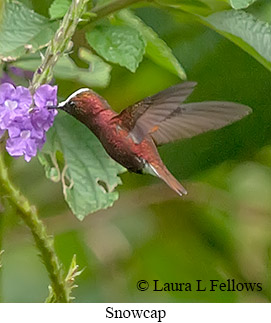
We'll depart early for Reserva el Copal, located in the highlands southeast of Cartagena on the Caribbean slope of Costa Rica, about a 3-hour drive. El Copal is a community run project located between Turrialba and Tapanti and features some very good birding. The habitat and birds are similar to those at Rancho Naturalista, which has become exhorbitantly expensive, and there is more forest at El Copal. The most common hummingbird throughout Costa Rica is the Rufous-tailed Hummingbird, but at El Copal that species is actually quite scarce while the most common species is the usually quite uncommon Green Thorntail. Other hummingbirds feeding on flowering bushes and Heliconias include Bronzy Hermit, Green Hermit, Lesser Violetear, Purple-crowned Fairy, Green-crowned Brilliant, White-bellied Mountain-gem, Purple-throated Mountain-gem, White-throated Mountain-gem, Scintillant Hummingbird, Crowned Woodnymph, Snowcap, and Black-bellied Hummingbird.
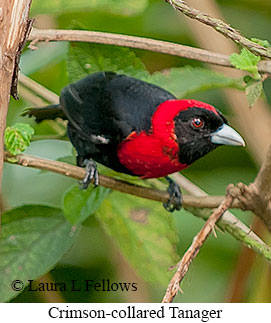
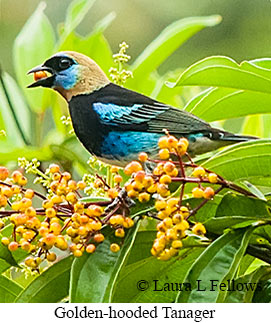
We'll spend much of the day birding this foothill site. It's especially good for tanagers, including Flame-colored Tanager, White-winged Tanager, Red-throated Ant-Tanager, Tawny-crested Tanager, Crimson-collared Tanager, Scarlet-rumped Tanager, Speckled Tanager, Golden-hooded Tanager, Spangle-cheeked Tanager, Rufous-winged Tanager, Bay-headed Tanager, Emerald Tanager, and Silver-throated Tanager. Many other forest birds are also present. In late afternoon we'll continue on to our hotel near the town of Quelitales. The hotel grounds have hummingbird feeders and gardens that attract about 70% of all hummingbird species found in Costa Rica (more than 30 species), so we'll spend some time relaxing there after arrival. Overnight at Hotel Quelitales.
DAY 10 - HOTEL QUELITALES & SARAPIQUI
We'll spend this morning birding the grounds around Hotel Quelitales. The hotel is surrounded by cloud forest, and some 460 species have been recorded on the property. It's a reliable place to see the extremely elusive Scaled Antpitta from a hide on the property. Other key species of interest include Red-headed Barbet, Ochre-breasted Antpitta, Dark Pewee, Slaty-backed Nightingale-Thrush, Sooty-faced Finch, and Cabanis's Ground-Sparrow.
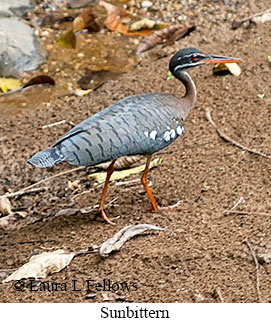
After lunch at the lodge, we'll transfer to the Sarapiqui area near Puerto Viejo. Along the way we'll stop near El Tapir Nature Reserve to look for Snowcap and other hummingbirds in the flowering beds. This site has always been one of the most reliable places to see Snowcaps, a prized target species of the tour. The very uncommon, tiny Black-crested Coquette can sometimes be seen there as well. From there we'll continue on to Puerto Viejo, stopping to bird some additional sites along the way before arriving in Puerto Viejo. The main target species at these sites are Canebrake Wren, a split from Plain Wren, and Gray-crowned Yellowthroat. Raptors such as White Hawk, Gray-lined Hawk, and Bat Falcon are also possible. As we approach Puerto Viejo, we'll visit a site near town where the endangered Great Green Macaws are reliably found. From there we may drive the short distance to Selva Verde Lodge to look for Sunbitterns if they have been seen there recently along the river. Overnight at Hotel Ara Ambigua.
DAY 11 - BRAULIO CARILLO
Braulio Carillo National Park protects a vast mountainous region in Costa Rica's Cordillera Central. The park is largely forested and mostly quite inaccessible. The main highway between San Jose and Puerto Viejo goes through the park, but it provides very limited access. The main access is at the Quebrada Gonzalez ranger station, which is located along this highway. Three trails begin at the ranger station, a short loop trail called Las Palmas, a fairly flat easy 1km long loop trail called El Ceibo across the road from the parking lot, and a longer trail that entails stome steep slopes and slippery rocks called the Botarrama Trail.
We'll depart early this morning and begin with birding the Botarrama Trail as this trail offers the best birding. After birding that trail, we'll likely bird Las Palmas trail as well. Since Braulio Carillo is rainforest and it may be rainy, we must be prepared for some bad weather. Nevertheless, the birding is well worth any discomfort.
Special birds we'll be hoping to see, many unobtrusive and difficult, include the near-endemic Purplish-backed Quail-Dove, Dull-mantled Antbird, and Black-headed Antthrush, the very local Black-eared Wood-Quail, and the secretive Olive-backed Quail-Dove, Rufous-vented Ground-Cuckoo, and Lanceolated Monklet.
Mixed species understory flocks can be comprised of Plain Antvireo, Streak-crowned Antvireo, Checker-throated Stipplethroat, White-flanked Antwren, Dot-winged Antwren, Wedge-billed Woodcreeper, Spotted Woodcreeper, Fawn-throated Foliage-gleaner, Western Woodhaunter, Ruddy-tailed Flycatcher, Sulphur-rumped Flycatcher, Whiskered Flycatcher, Ochre-crowned Greenlet, Tawny-faced Gnatwren, and sometimes Brown-billed Scythebill.
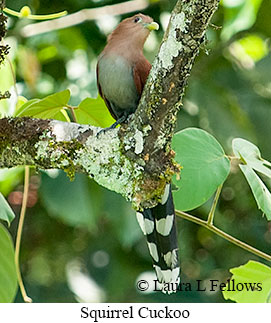
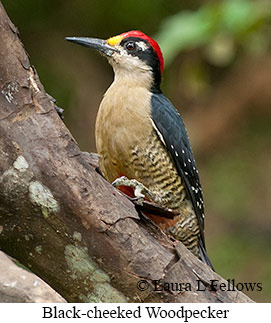
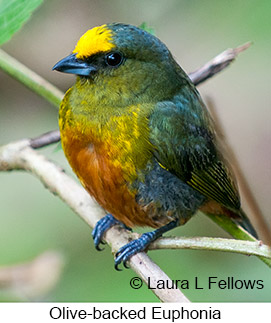
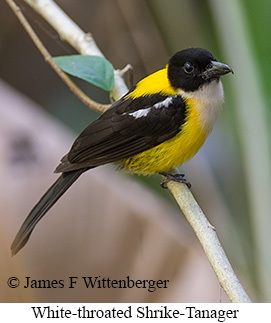
Mixed species canopy flocks can be huge and contain many species. The largest flocks are usually led by White-throated Shrike-Tanagers, while the most common are typically led by Black-faced Grosbeak. Sometimes these flocks can be seen around the parking lot or ranger station. Other times they olccur along the trail network. Species often found in these flocks can include Common Squirrel-Cuckoo, Red-headed Barbet, Black-cheeked Woodpecker, Cinnamon Woodpecker, Russet Antshrike, Spotted Woodcreeper, Black-crowned Tityra, Masked Tityra, the quite rare Sharpbill, Yellow-winged Flatbill, Green Shrike-Babbler, Green Shrike-Vireo, Lesser Greenlet, Olive-backed Euphonia, Tawny-capped Euphonia, Scarlet-rumped Cacique, Tawny-crested Tanager, Crimson-collared Tanager, Scarlet-rumped Tanager, Blue-and-gold Tanager, Speckled Tanager, Rufous-winged Tanager, Bay-headed Tanager, Emerald Tanager, Silver-throated Tanager, and Black-and-yellow Tanager. When we encounter one of these flocks, our heads will be spinning as we try to see everything before the flock moves on.
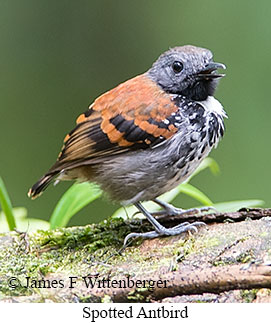
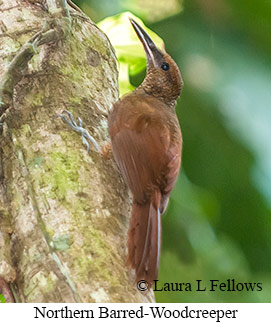
As if the above were not enough to occupy us, we could see some real specials if we encounter an army ant swarm. Some really special birds follow these swarms are Rufous-vented Ground-Cuckoo, Chestnut-backed Antbird, Zeledon's Antbird, Bicolored Antbird, White-cheeked Antbird, Spotted Antbird, Ocellated Antbird, Black-crowned Antpitta, Plain-brown Woodcreeper, and Northern Barred-Woodcreeper. Other birds that occasionally appear around ant swarms are Lesson's Motmot, Rufous Motmot, Broad-billed Motmot, White-whiskered Puffbird, Barred Forest-Falcon, and Western Woodhaunter.
After a full morning of birding, we'll return to Puerto Viejo for lunch in a local restaurant. In the afternoon we'll stop by Selva Verde Lodge if Sunbitterns have been seen recently along the river there. We'll also visit a reliable site for finding the critically endangered Great Green Macaw. Overnight at at Hotel Ara Ambigua.
DAY 12 - LA SELVA & BIJAGUA
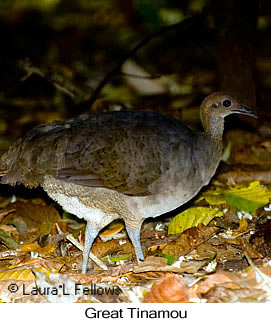
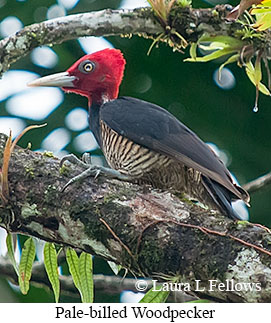
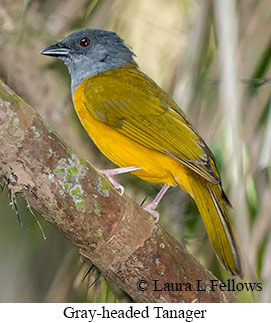
We'll depart very early for nearby La Selva Biological Station, probably birding the entrance road before entering the reserve. Over 400 species have been recorded in this reserve. Access to some trails is restricted for most groups, but we can usually get exceptional access because our guide is Costa Rican and works at La Selva when not guiding groups. In addition to the entrance road, birding is around the clearing near the visitor center and and along an extensive network of trails through primary and secondary forest. It's preferable to bird the forest interior early when bird activity is at its best. Several hundred species are possible and we see different ones on every visit, which is typical when birding in rainforest. Possibilities include Great Tinamou, Semiplumbeous Hawk, Chestnut-colored Woodpecker, Pale-billed Woodpecker, Fasciated Antshrike, Great Antshrike, Black-crowned Antshrike, Black-headed Tody-Flycatcher, Bare-necked Umbrellabird, White-collared Manakin, Crimson-collared Tanager, Golden-hooded Tanager, Dusky-faced Tanager, and many more. If an army ant swarm is encountered, obligate and opportunistic army ant followers such as Bicolored Antbird, Ocellated Antbird, Gray-headed Tanager and Red-throated Ant-Tanager are very possible.
After lunch, we'll transfer to Celeste Mountain Lodge near Bijagua. This out-of-the-way lodge is situated in a superb birding area near Tenorio National Park. It offers fine accommodations in addition to excellent birding on forest trails through its property. Heliconias near the entrance road attracts White-tipped Sicklebill and Stripe-throated Hermit hummingbirds. Overnight at Celeste Mountain Lodge.
DAY 13 - BIJAGUA AREA
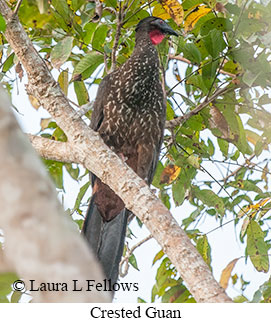
We'll devote the morning to birding forest trails at nearby Heliconias Lodge. This private reserve is an excellent place for antbirds. Our primary target is Ocellated Antbird, which is an obligate follower of army ant swarms. A second target species is the uncommon and very local Tody Motmot. We can also hope to see Yellow-eared Toucanet and Black-headed Nightingale-Thrush. Other birds we may see include Crested Guan, Black-crowned Antshrike, Streak-throated Antvireo, White-flanked Antwren, Slaty Antwren, Spotted Antbird, Long-tailed Manakin, Bright-rumped Attila, and Nightingale Wren.
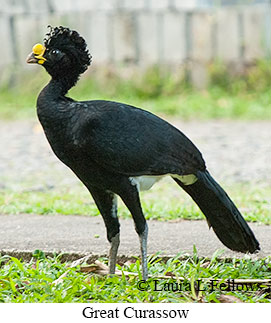
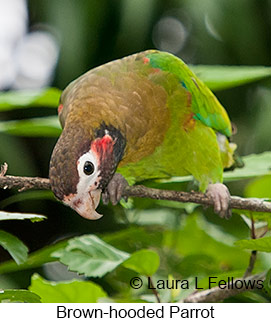
After lunch we'll visit nearby Tapir Valley Nature Reserve. There are three observation platforms in the reserve, one for viewing wetlands, one for viewing the forest canopy, and one for viewing hummingbirds. Nearly 30 species of hummingbirds have been recorded in the reserve. Birds of special interest on forest trails include Great Curassow, Ornate Hawk-Eagle, Lattice-tailed Trogon, Tody Motmot, Keel-billed Motmot, Yellow-eared Toucanet, Brown-hooded Parrot, Dull-mantled Antbird, White-collared Manakin, Bare-necked Umbrellabird, Lovely Cotinga, Yellow-winged Tanager, and Rufous-winged Tanager. Overnight at Celeste Mountain Lodge.
DAY 14 - BIJAGUA & LOS CHILES
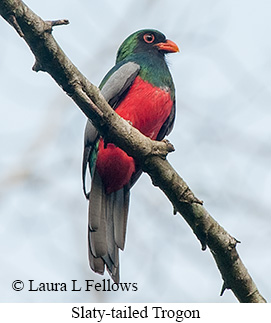
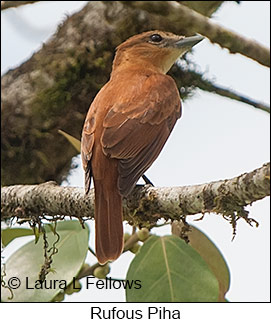
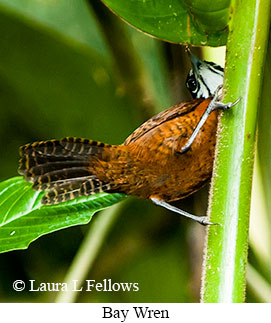
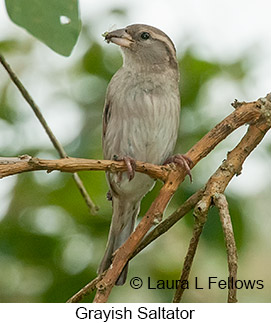
Our lodge owns a nearby tract of forest, and we'll spend the morning birding a trail through this tract. The habitat is both secondary forest and primary rainforest. Birds we may well see include White Hawk, Slaty-tailed Trogon, Graceful Black-throated Trogon, Tody Motmot, Keel-billed Toucan, Black-cheeked Woodpecker, Dull-mantled Antbird, Spotted Antbird, Wedge-billed Woodcreeper, Spotted Woodcreeper, White-ruffed Manakin, Rufous Piha, Rufous Mourner, Bay Wren, Golden-hooded Tanager, and Bluish-gray Saltator.
After lunch we'll drive to Los Chiles in the far north near the border with Nicaragua. We'll make sure we arrive by mid-afternoon so we can take a boat out onto the lagoon, where many water birds abound. We'll be looking especially for the rare Yellow-breasted Crake and the cryptic Pinnated Bittern. Overnight at a hotel in Los Chiles.
DAY 15 - LOS CHILES & CAÑO NEGRO WILDLIFE REFUGE
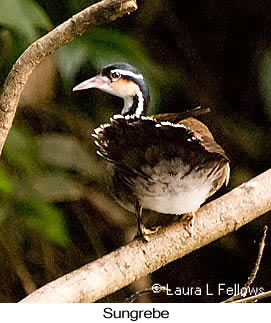
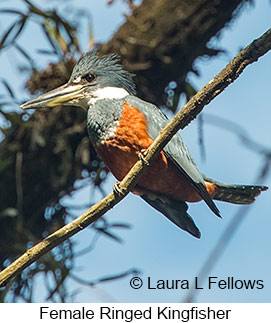
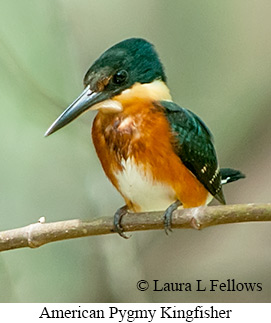
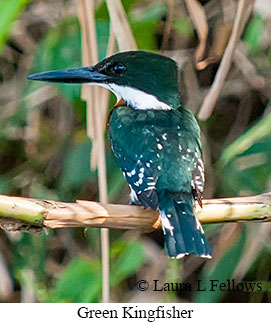
This morning we'll take a boat trip along the Rio Frio and into marshy areas of Lago Caño Negro. Our primary target species is the near-endemic Nicaragua Grackle, which mainly occurs in southern Nicaragua and only occurs in the most northern parts of Costa Rica. We'll be seeing plenty of other more widely distributed birds. We could see 6 species of kingfishers, even possibly the rather rare and secretive Green-and-Rufous Kingfisher that usually perches lov over water in heavily-shaded, forested, slow-moving waterways. We're very likely to see the nocturnal Boat-billed Heron roosting along the shoreline and have an excellent chance of seeing a Sungrebe. We'll also see other water birds including Black-bellied Whistling-Duck, Fulvous Whistling-Duck, Northern Jacana, and a variety of others.
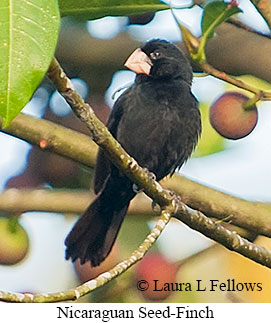
After we return to town mid-morning, we'll look for several other specials, namely Gray-breasted Dove, Sulphur-winged Parakeet, Olive-throated Parakeet, Spot-breasted Wren, Canebrake Wren, and Nicaraguan Seed-Finch. We may even be able to find a roosting Great Potoo and perhaps even Striped Owl.
In the aftrnoon we'll transfer to Arenal Observatory Lodge. En route we'll check some likely areas where we might find Lovely Cotinga, an erratically distributed species that sometimes occurs along the road skirting Tenorio National Park. After arrival, we should have time after arrival to bird the gardens, where flowering hedges attract several species of hummingbirds including Green Hermit, Violet-headed Hummingbird, Crowned Woodnymph, Scaly-breasted Hummingbird and occasionally even Green Thorntail and Black-crested Coquette. Fruit feeders behind the lodge attract various woodpeckers, saltators, and tanagers. Overnight at Arenal Observatory Lodge.
DAY 16 - ARENAL OBSERVATORY LODGE
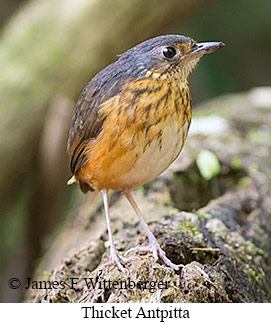
We'll spend all day birding the extensive trails in the private forest reserve owned by the lodge. One trail is a very good spot to find the secretive Wrenthrush. Some of the interesting species we could see are Great Curassow, Smoky-brown Woodpecker, White-fronted Parrot, Russet Antshrike, Spotted Antbird, Bare-necked Umbrellabird, Stripe-breasted Wren, Black-headed Nightingale-Thrush, Golden-crowned Warbler, Black-and-yellow Tanager, Olive Tanager, and Yellow-crowned Euphonia. Other possibilities include Keel-billed Motmot, Smoky-brown Woodpecker, Russet Antshrike, Spotted Antbird, Thicket Antpitta, Bare-necked Umbrellabird, White-ruffed Manakin, Stripe-breasted Wren, Song Wren, and numerous tanagers. Flowering hedges near the lodge attract a variety of hummingbirds, including Black-crested Coquette and Green Thorntail. Overnight at Arenal Observatory Lodge.
DAY 17 - BOGARIN TRAIL & MONTEVERDE
We'll depart very early this morning to visit to a private reserve near Fortuna, a reliable site for secretive rails that come into the open during early morning.
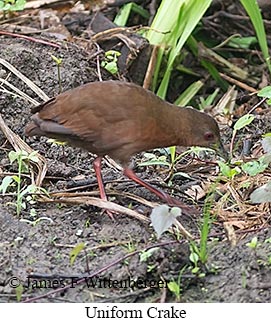
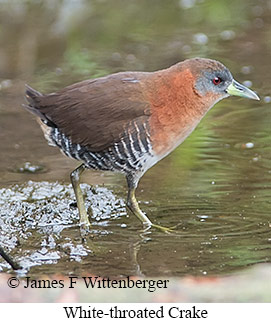
A local guide there has a stakeout for White-throated Crake and Uniform Crake along with the much more easily seen Gray-cowled Wood-Rail. Then we'll bird the nearby Bogarin Trail, which goes through a nice tract of dry forest. Keel-billed Motmot, Olivaceous Piculet, Black-cheeked Woodpecker, Rufous-winged Woodpecker, Plain Xenops, Buff-fronted Foliage-gleaner, White-collared Manakin, and Black-throated Wren.
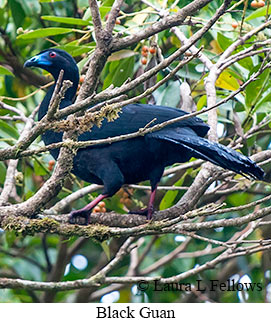
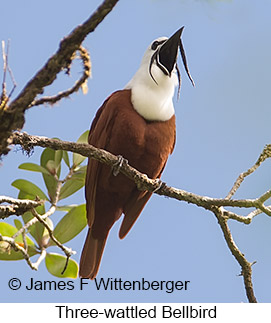
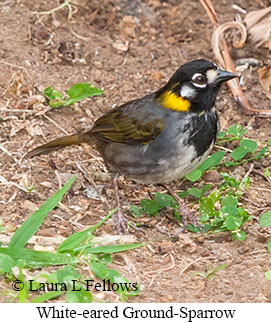
Mid-morning we'll transfer to Monteverde, about a 3-hour drive, arriving in time for late lunch. That afternoon we'll visit Selvatura, which features a trail through very good montane forest and traverses some 9 ravines by quite stable suspension bridges, providing a view of forest canopy. Our number one target species there is Three-wattled Bellbird, which calls loudly from treetops during nesting season. Other birds we're likely to find include Black Guan, Buff-fronted Quail-Dove, Resplendent Quetzal, Collared Trogon, Black-banded Woodcreeper, and White-eared Ground-Sparrow. Overnight at Cala Lodge.
DAY 18 - MONTEVERDE CLOUD FOPREST RESERVE & LA ENSENADA
When I first visited Monteverde as a graduate student, Monteverde was not a town. It was a Quaker dairy and ice creamery reached by a very rough, very narrow mountain road and the forest was unprotected on private land. Thanks to the fund-raising efforts of my friend and fellow graduate student, George V.N. Powell, Monteverde is now a bustling tourist destination and the forest is protected as the Monteverde Cloud Forest Preserve. The preserve is interlaced with a network of broad trails, some rather flat traversing the mountain slope and some rather steep going up the mountainside. It remains a very good birding destination, but it's essential to arrive early before it gets warm and sunny by mid-day.
We'll devote the morning to birding this reserve. The gate doesn't open until 7:30am, and we plan on arriving earlier than that. Hence, our first stop will be the hummingbird feeders located outside the main entrance. There we can expect to see up to 10 species of hummingbirds including Green-fronted Lancebill, Talamanca Hummingbird, Magenta-throated Woodstar, Stripe-tailed Hummingbird, and the endemic Coppery-headed Emerald.
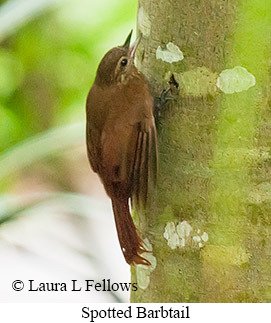
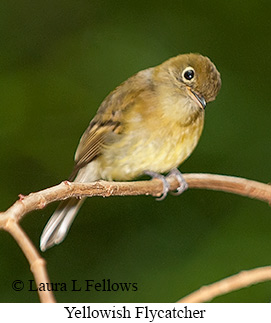
Once inside, we'll be walking trails through the dry, middle-elevation forest of the preserve itself. Notable species we'll be seeking include Buff-fronted Quail-Dove, Collared Trogon, Red-headed Barbet, Prong-billed Barbet, Blue-throated Toucanet, Plain Antvireo, Spotted Woodcreeper, Streak-breasted Treehunter, Spotted Barbtail, Ruddy Treerunner, Olive-striped Flycatcher, Yellowish Flycatcher, Ochraceous Wren, Bay Wren, Orange-billed Nightingale-Thrush, White-throated Thrush, Costa Rican Warbler, Sooty-faced Finch, and Golden-browed Chlorophonia. Sometimes we encounter Resplendent Quetzal as well, but this bird is usually quite scarce there. After thoroughly enjoying ourselves at Monteverde, we'll return to town for some lunch at one of the many fine restaurants in town.
After lunch, we'll transfer to La Ense&ntilda;ada Sanctuary, about a 3-hour drive. En route we'll stop to do some birding at lower elevation sites along the way if we see anything interesting. After arrival, we should have some time to do a bit of birding around the lodge. Overnight at La Ensenada.
DAY 19 - LA ENSENADA
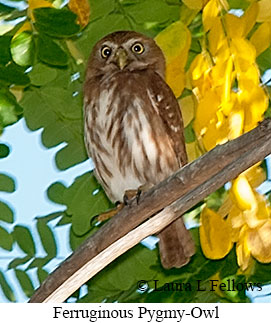
La Ensenada is a private reserve that features a combination of lowland dry scrub, dry forest, pastures, and mangroves. Key species we'll be looking for at this locale include Crested Bobwhite, Double-striped Thick-knee, Sandwich Tern, Ferruginous Pygmy-Owl, Plain-capped Starthroat, Steely-vented Hummingbird, Orange-chinned Parakeet, Orange-fronted Parakeet, Nutting's Flycatcher, Scissor-tailed Flycatcher, Rose-throated Becard, White-throated Magpie-Jay, Banded Wren, White-lored Gnatcatcher, Stripe-headed Sparrow, Streak-backed Oriole, and Spot-breasted Oriole. In addition, Nicaraguan Grackle may be expanding its range into the area, as we saw several on our recent visit. Finally, the lodge staff often knows where Pacific Screech-Owl roosts near the lodge.
It's possible to do a boat trip into the mangroves behind the lodge, but it's very expensive with less than 4 persons in the group. Possible birds likely to be seen on a boat trip (not included in tour price) are Mangrove Cuckoo, Mangrove Hummingbird, and Panama Flycatcher, along with many common wetland birds.
After lunch, we'll transfer south to Alajuela, about a 3-hour drive. Overnight at Hotel Aeropuerto in Alajuela.
DAY 20 - END OF TOUR
Tour ends with breakfast at the hotel. International flights home.
|
 Tour Overview