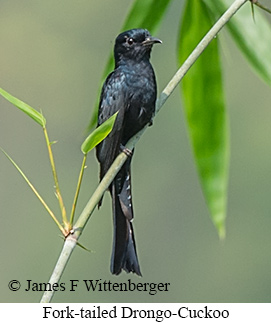
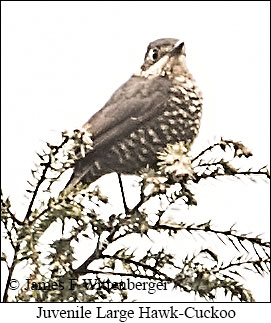
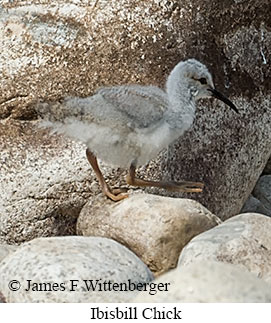
(Phone/WhatsApp): 206-650-3425
info@exoticbirding.com

BHUTAN EXTENDED
BIRDING TOUR

Duration:20 days, 19 nights
Group Size:2-6
2-3 Price:$8740
4+ Price:$8120
Single Suppl:$650
Est #Species:325-375
Pace:Easy to Moderate
Difficulty:Moderate
Best Time:September-May
* This tour is available for any dates of your choosing provided guide services and accommodations are available.

Tour price is based on number of nights. The posted price assumes arrival on Day 1 of the tour and transferring directly to Thimphu. Bhutan's Sustainable Development fee is currently $100/day. It will increase to $200/day beginning Sept 1, 2027 unless the government extends the current temporary reduction.
button Tour Overview
Our extended birding tour to Bhutan covers many of the best birding sites in the country. In addition to birding, Bhutan is a culturally fascinating country, especially the School of Arts and Crafts and several museums in Thimphu, the elaborately decorated Punakha Dzong, and the many stupas or chortens found throughout the country in towns and in mountain passes. Many of the mountain passes are adorned with banners and prayer flags as well in this deeply religious country. The topography of Bhutan offers majestic scenery in the foothills of the Himalayas, sometimes challenging roads that can be quite narrow on steep mountainsides in places, and of course superb birding from the lowlands near the southern border with India, subtropical foest in the foothills, temperate forest at middle altitudes, and alpine meadows in high elevation passes through the mountains. In 2021 Bhutan increased its sustainable development tax to $200/day for each person visiting the country, making tours quite expensive. However, the tax was temporarily reduced in 2023 to $100/day, and this reduction has been extended now through 2027, so the best time to visit this fascinating country is soon. Finally, we can honestly say that our prices for birding tours to Bhutan are much better than most competing tour operators because we rely on expert buides in Bhutan and do not have to pay the sustainable development tax and other expenses for a foreign guide to lead the tour.

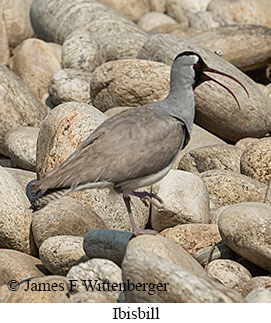
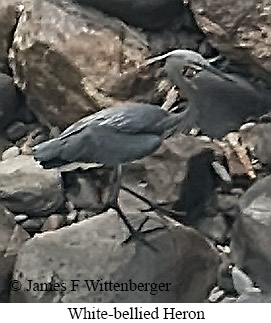
Our tour begins with international arrival at the airport in Paro on the morning of the first day of our tour followed by transfer to the capital city of Thimphu. We recommend flying to Paro from Bangkok on days when early morning flights are available. Upon arrival, we have a good chance to seeing the unique Ibisbill along the river not far from the airport. From there we transfer to Thimphu, about an hour's drive. We'll have the afternoon to visit the extraordinary School of Arts and Crafts in Thimphu. The following morning we'll drive north to Jigme Dorji National Park to bird that section of the park followed by an afternoon visiting several cultural sites in Thimphu. We then drive eastward over Dochu La (Pass) to Punakha with birding en route. In the afternoon we'll visit the famous Punakha Dzong, a site not be be missed. We then head south to Damphu in the Tsirang District, an area of superb birding in temperate forest. En route we'll stop to look for the critically endangered White-bellied Heron at a site where it is known to nest. From Damphu we continue south to Gelephu on the border with India. We'll spend a full day there birding the lowlands and foothills outside Gelephu. We then drive east<> and then north upslope toward Tingtibi. This region offers some great birding. The area is unspoiled forest protected in large part by the Royal Manas National Park. We'll spend sseveral days birding outside Tingtibi, along the road to Panbang, and then along the road to Nganglam. After several nights in this region, we'll drive north on a relatively new road toward Yongko La. We'll spend 4 nights in this incredibly bird rich area birding various sites near our hotel in the highlands above Yongko La and at higher elevation toward Namling and the pass. We then bird our way westward toward Chumey, stopping as need for missed species at Namling and Sengor en route. After a night in Chumey, we'll drive to Trongsa and then onward to the Phobjikha Valley. Next morning we'll visit the highlands of Pele La for a morning of birding before driving back to Paro. Once back in Paro we'll devote one day to hiking up to Tiger's Nest Monastery, located on a secluded mountainside and reached by a 5-6 hour hike roundtrip. On our final day we'll bird the highlands of Cheli La Pass outside Paro and some wetlands near Paro. The tour ends the next morning at the airport in Paro.
button Tour Itinerary

Day 1 - Meals: LD; Accommodation: Hotel in Thimphu; Activity: Arrive in Paro this morning. Transfer to Thimphu birding Paro Valley en route. Visit School of Arts and Crafts in afternoon.
Day 2 - Meals: BLD; Accommodation: Hotel in Thimphu; Activity: Morning Jigme Dorji National Park. Afternoon visit Postal Museum, Textile Museum, and Buddha Dordenma site in Thimphu.
Day 3 - Meals: BLD; Accommodation: Hotel in Punakha; Activity: Transfer through Dochu La Pass to Punakha, birding Dochu La and other sites en route. Afternoon visit Punakha Dzong.
Day 4 - Meals: BLD; Accommodation: Hotel in Damphu; Activity: Transfer to Damphu in Tsirang District with birding en route.
Day 5 - Meals: BLD; Accommodation: Hotel in Gelephu; Activity: Morning birding highlands above Damphu. Afternoon transfer to Gelephu with birding en route.
Day 6 - Meals: BLD; Accommodation: Hotel in Gelephu; Activity: All day birding lowlands around Gelephu.
Day 7 - Meals: BLD; Accommodation: Hotel in Tingtibi; Activity: Morning transfer to Tingtibi with birding en route. Afternoon birding around Tingtibi.
Day 8 - Meals: BLD; Accommodation: Hotel in Tingtibi; Activity: All day birding temperate forest around Tingtibi.
Day 9 - Meals: BLD; Accommodation: Hotel in Panbang; Activity: Morning transfer to Panbang, birding Royal Manas National Park en route.
Day 10 - Meals: BLD; Accommodation: Rustic lodge in Nganlam; Activity: Transfer to Nganglam birding Royal Manas National Park en route.
Day 11 - Meals: BLD; Accommodation: Hotel in highlands; Activity: Transfer north through Royal Manas National Park to the Yongko La area, birding en route. From there bird a transect up the mountain to the highlands.
Day 12 - Meals: BLD; Accommodation: Trogon Villa Lodge; Activity: All day birding area in highlands above Yongko La toward Namling.
Day 13 - Meals: BLD; Accommodation: Trogon Villa Lodge; Activity: All day birding area in highlands above Yongko La toward Namling.
Day 14 - Meals: BLD; Accommodation: Trogon Villa Lodge; Activity: All day birding area in highlands above Yongko La.
Day 15 - Meals: BLD; Accommodation: Hotel in Chumey; Activity: Transfer westward to Chumey with birding en route and at Sengor.
Day 16 - Meals: BLD; Accommodation: Hotel in Phobjikha Valley; Activity: Morning drive to Trongsa birding en route. Continue west through Yotong La Pass to Phobjikha Valley birding en route.
Day 17 - Meals: BLD; Accommodation: Hotel in Paro; Activity: Depart early for Pele La Pass for some high altitude birding. Then transfer to Paro.
Day 18 - Meals: BLD; Accommodation: Hotel in Paro; Activity: Much of day hike up to Tiger's Nest Monastery. Late afternoon visit Drugyal Dzong outside Paro.
Day 19 - Meals: BLD; Accommodation: Hotel in Paro; Activity: Morning birding highlands of Cheli La Pass along with lower elevation forest on the mountain slopes. Afternoon birding near Paro.
Day 20 - Meals: B; Accommodation: None; Activity: Morning transfer to the airport in Paro for international flight home. Tour ends at the airport.

button Accommodations

During our extended Bhutan birding tour, we'll be staying in comfortable hotels wherever available. Some remote sites do not have hotels nearby, and at those sites we'll stay in rustic lodges or possibly tent camps. The latter are necessary around Tingtibi, Panbang, Nganlam, and Yongko La.

button Included Locales
button Tour Map
button Tour Considerations
:

PACE - The pace of this tour is generally easy but requires early starts most days.

DIFFICULTY - Most birding is along roadsides that are level or slightly inclined. Traffic is generally not an issue. Some birding will be at higher elevation passes reaching 3700m (12,100ft). Road conditions are greatly improved compared to 10 years ago and are no longer problematical.

CLIMATE - The climate in Bhutan is very diverse due to it's mountainous landscape. During March to May the weather is mild, dry, and sunny. June to August is monsoon season with heavy rains. September to November is cool and sunny. December to February is cold and dry. The subtropical lowlands are hot and humid year-round. The temperate central region has cool winters and warm summers with less rainfall.

BIRD ACTIVITY- Peak breeding activity is from March-May. Flowering plants are in bloom and birds are very active. During September to November, mixed species flocks are prevalent, which offers very good birding. Birding in the mountains during monsoon season is extremely difficult due to bad weather and bad road conditions. Black-necked Cranes are only present from December to February.

PHOTOGRAPHY - Bird photography is opportunistic but feasible along the roads. Photography is permitted at the School of Crafts and Arts but not in the Postal Museum.

button Tour Photos
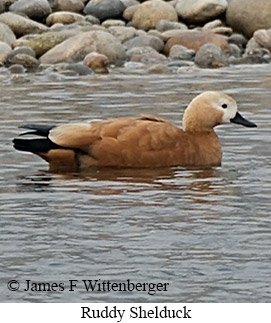
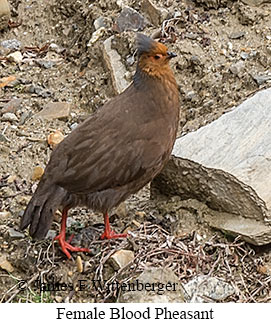
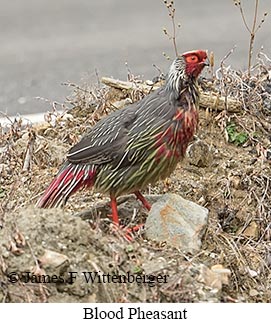
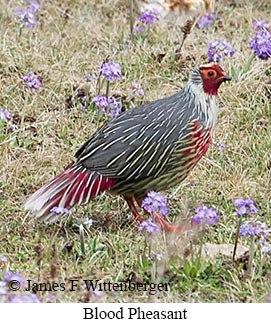
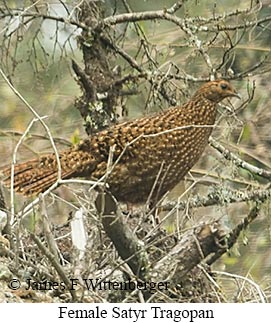
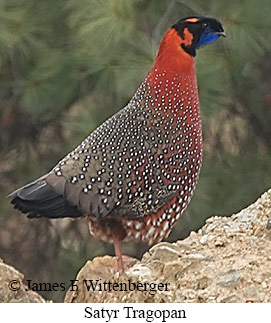
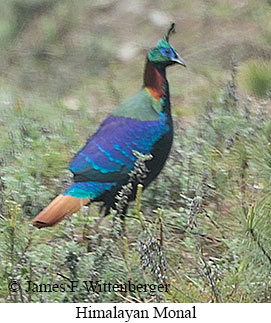
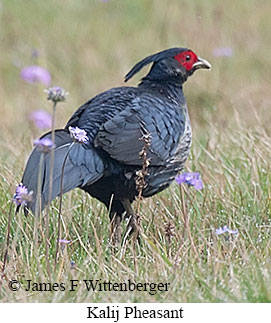
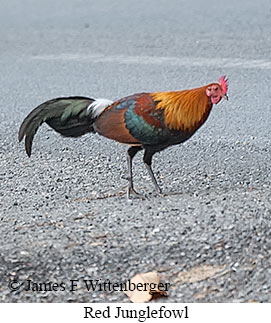
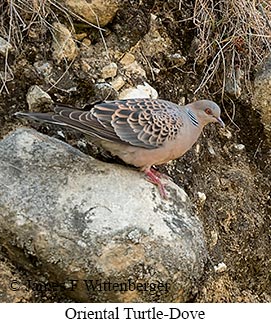
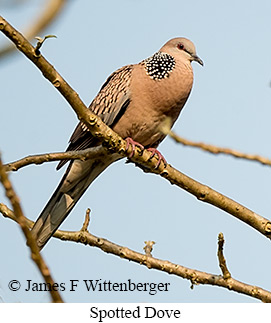
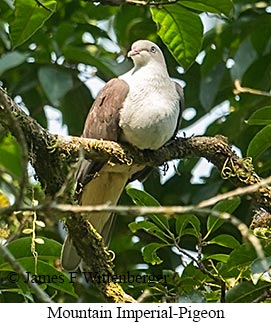
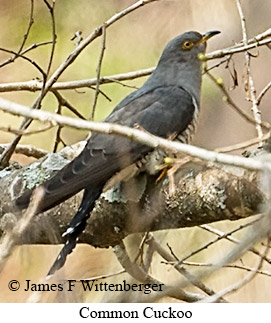
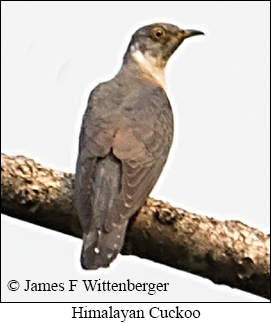
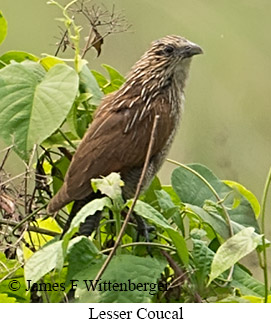
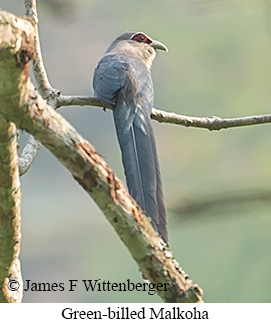
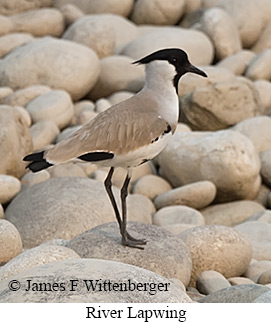
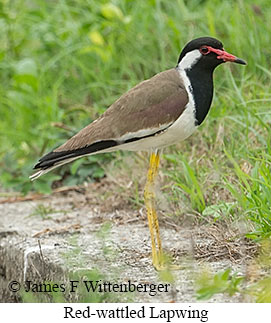
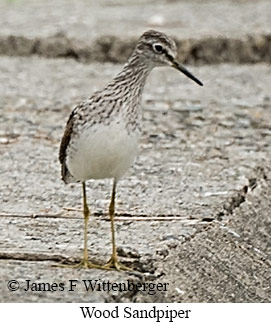
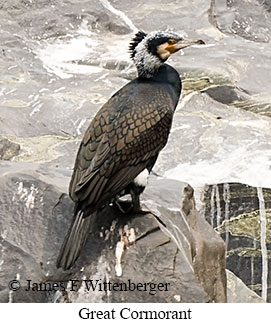
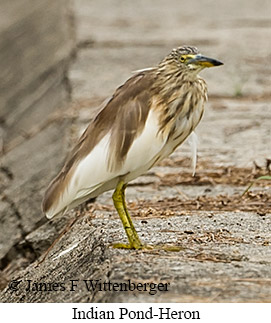
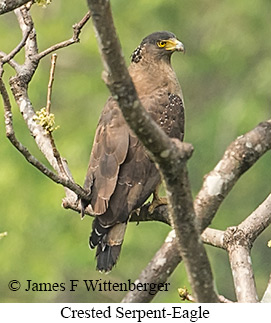
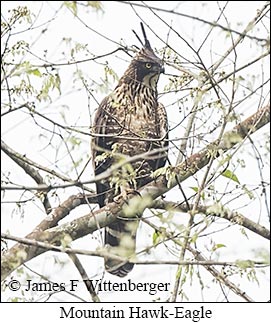
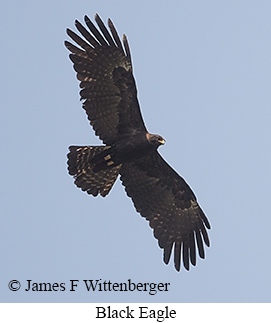
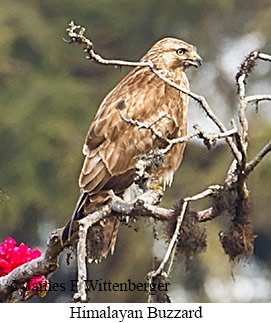
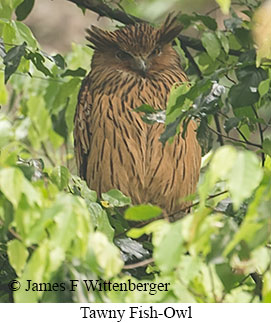
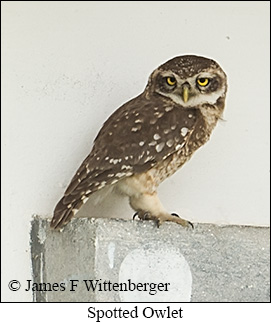
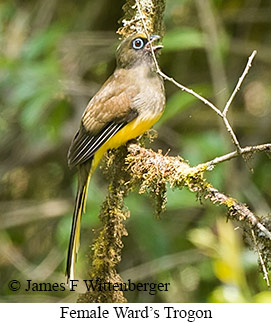
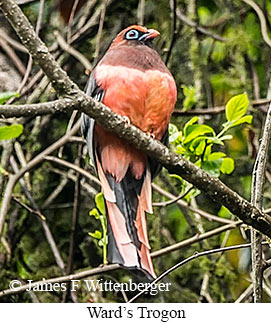
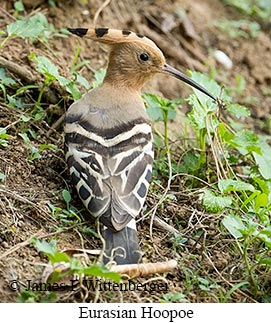
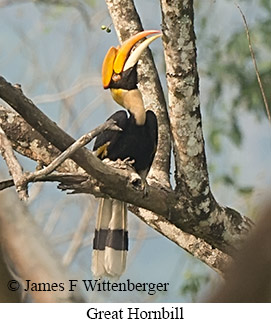
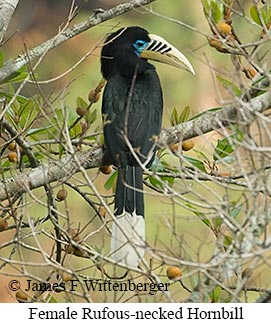
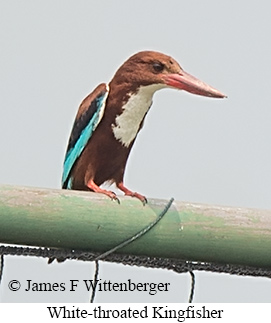
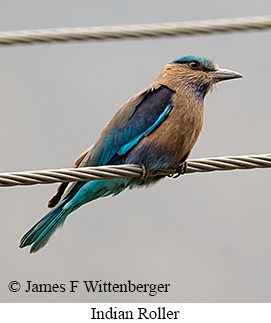
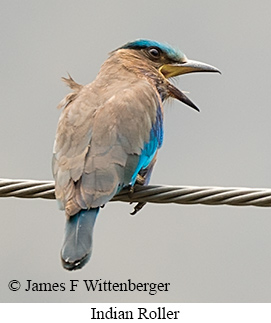
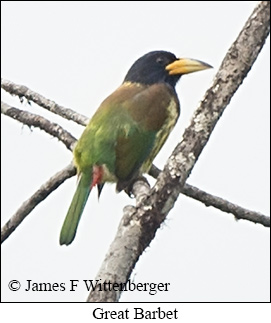
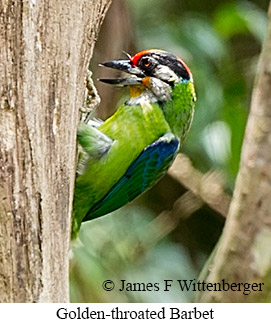
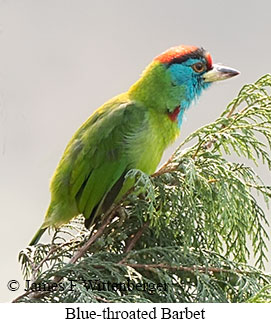
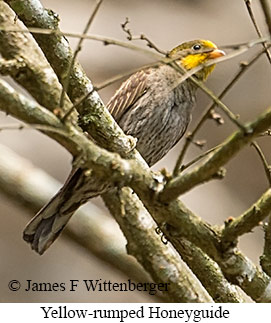
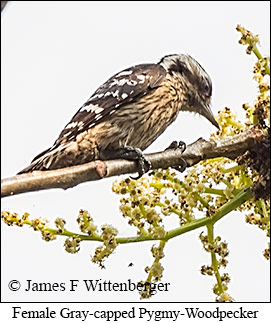
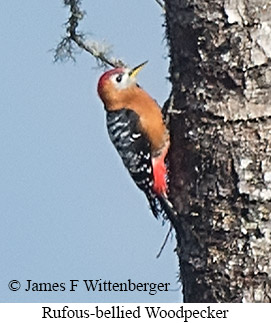
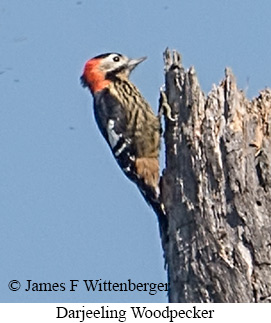
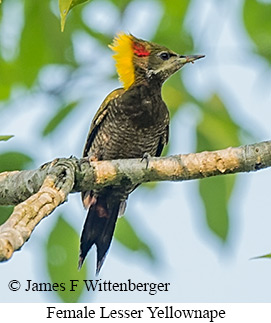
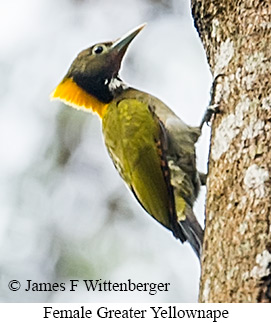
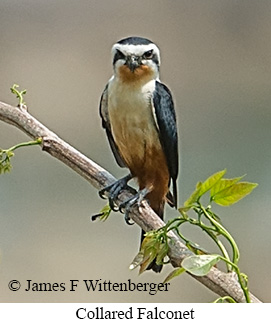
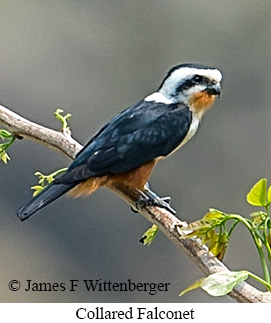
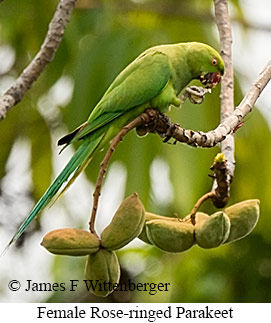
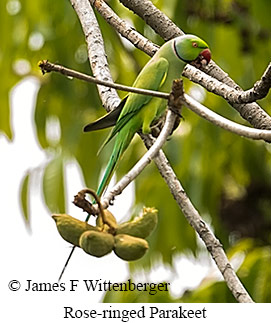
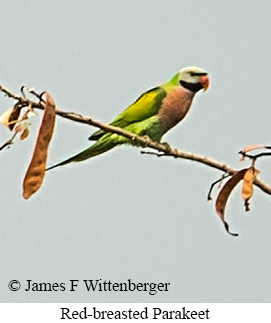
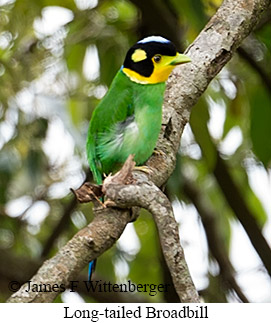
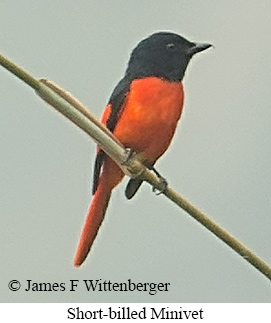
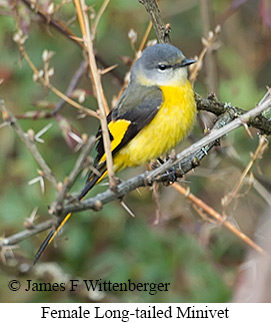
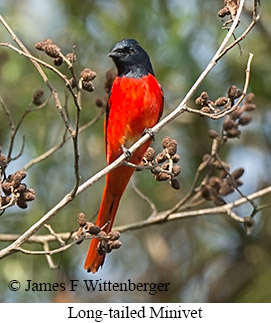
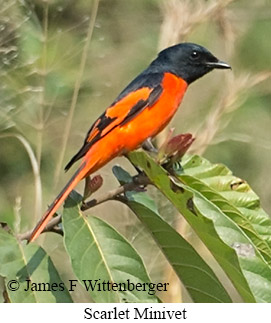
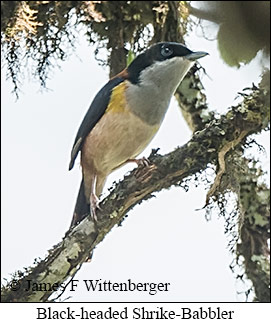
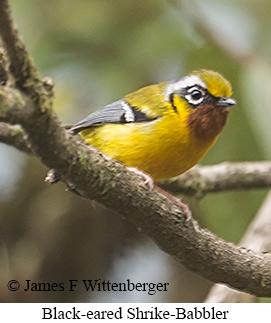
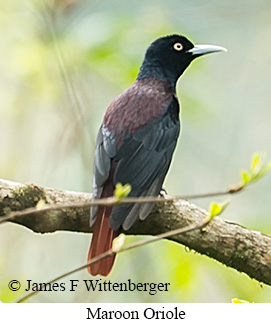
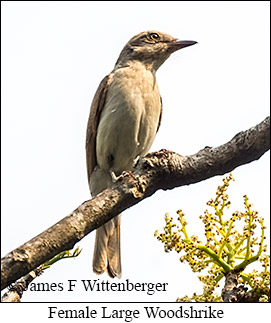
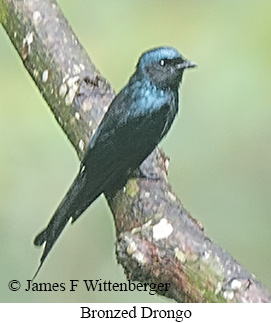
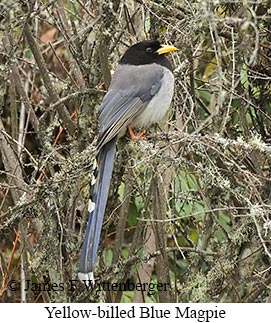
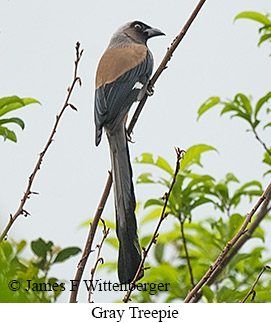
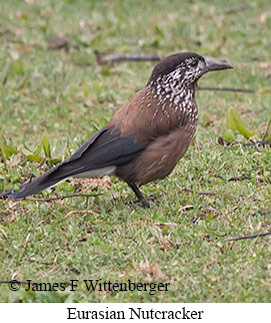
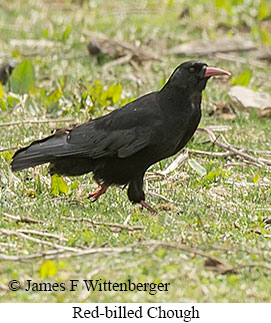
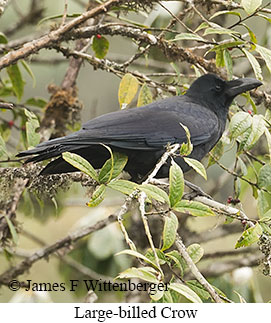
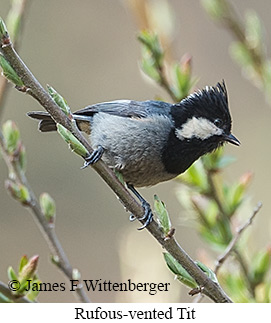
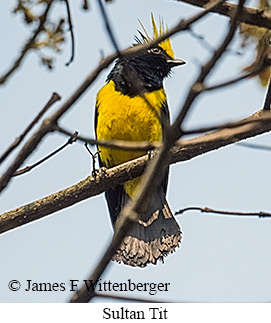
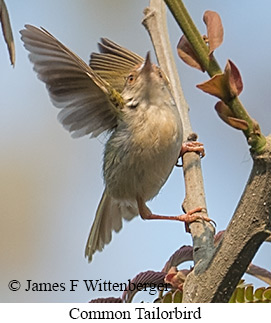
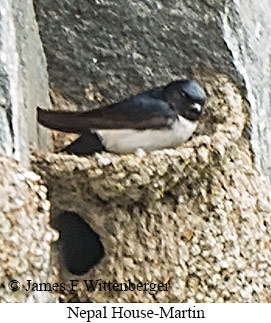
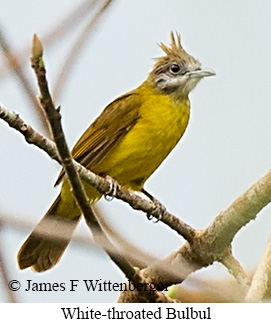
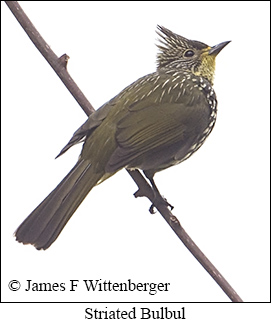
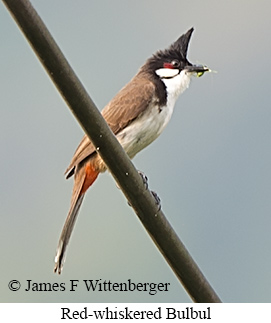
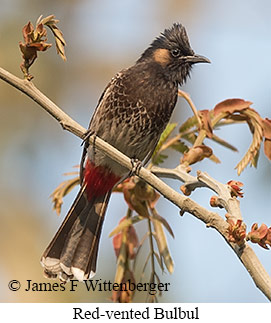
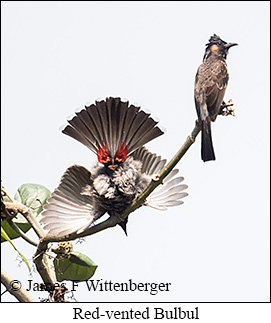
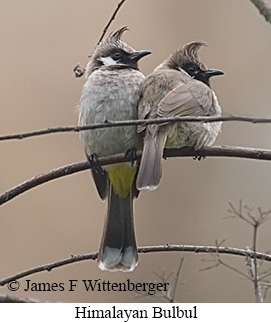
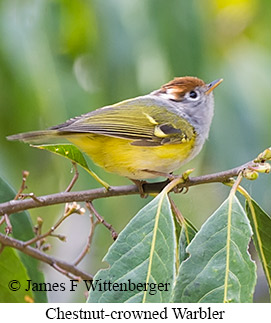
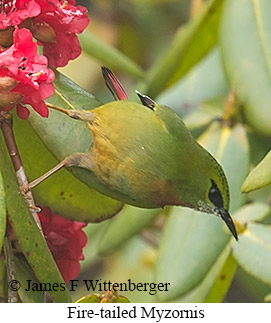
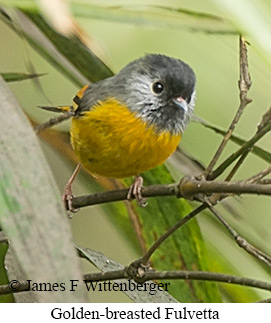
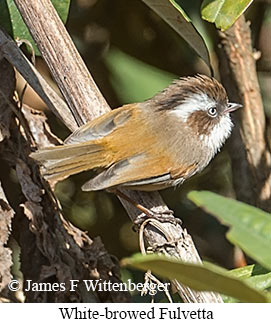
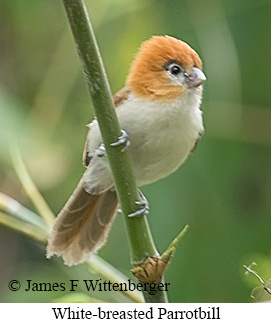
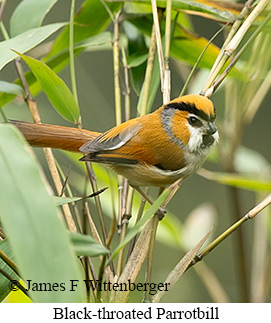
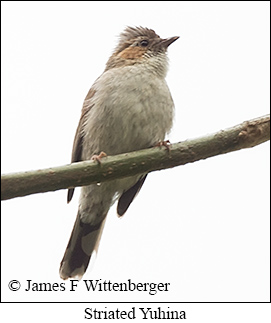
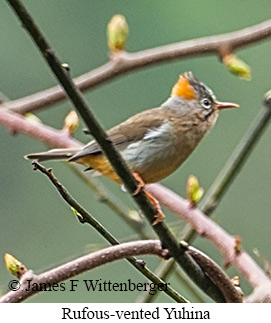
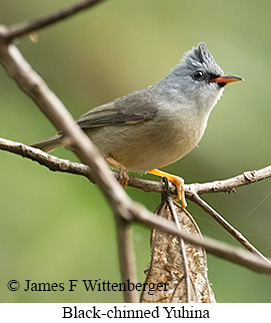
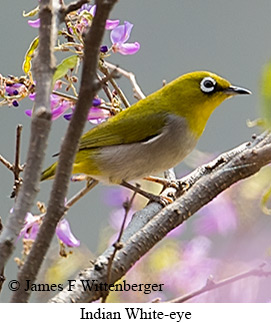
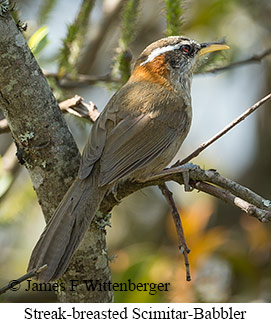
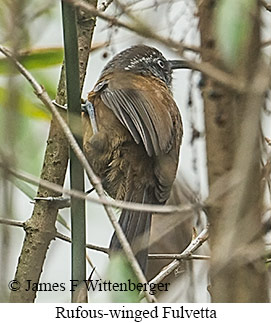
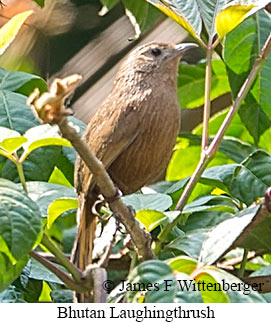
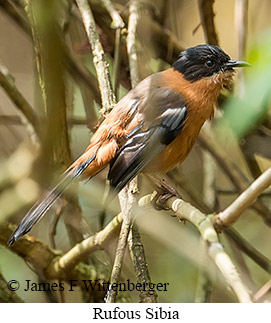
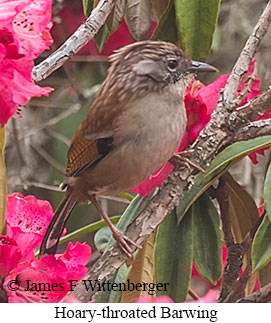
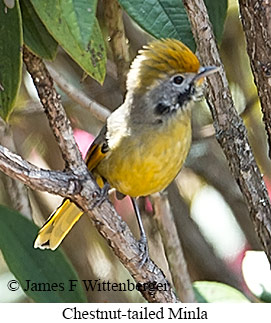
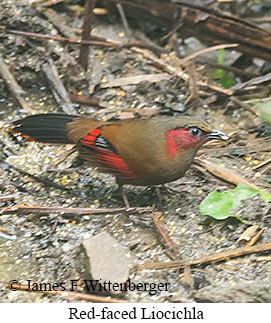
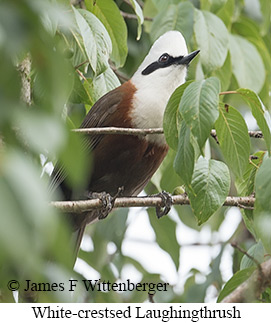
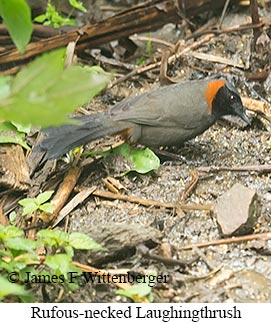
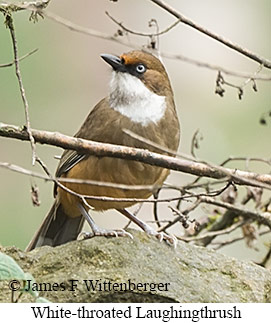
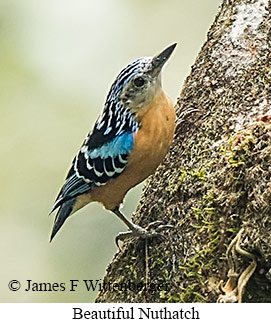
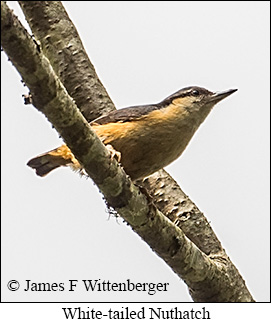
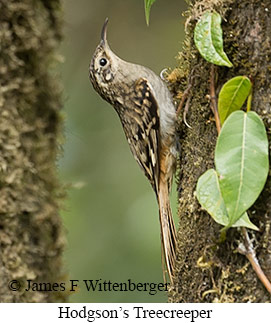
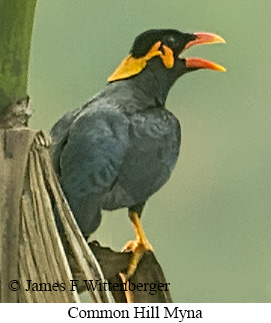
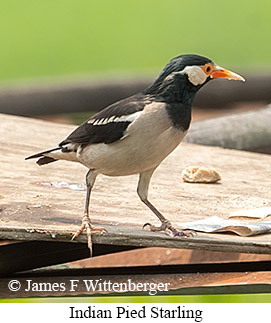
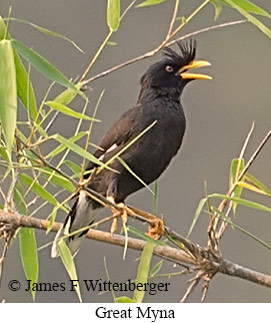
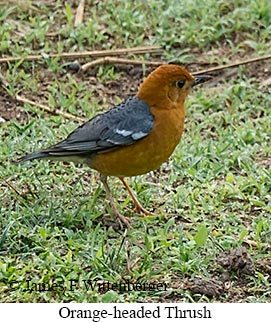
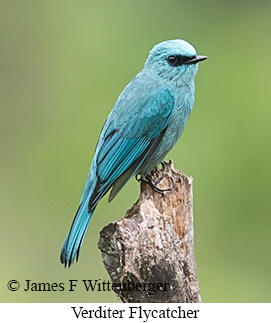
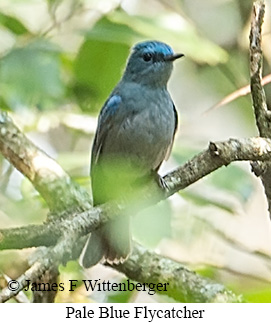
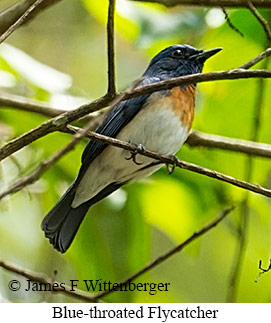
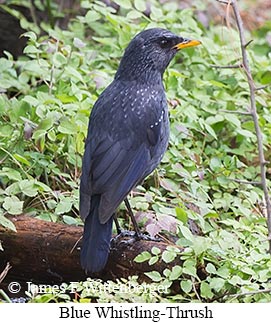
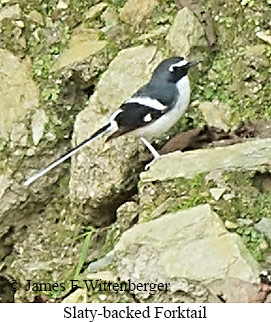
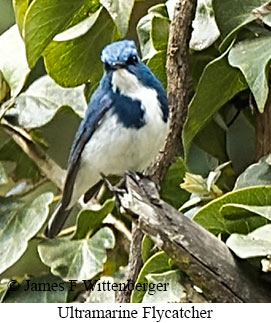
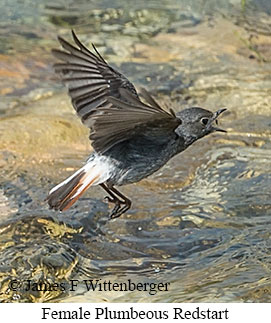
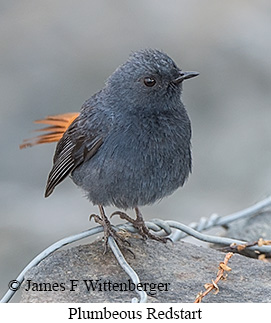
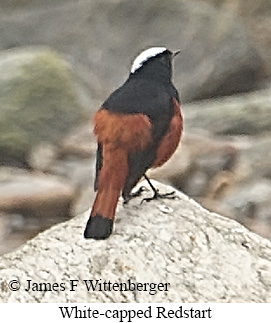
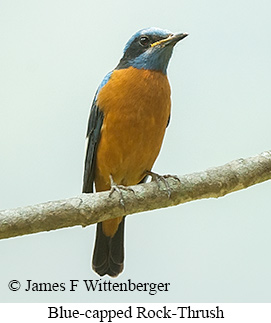
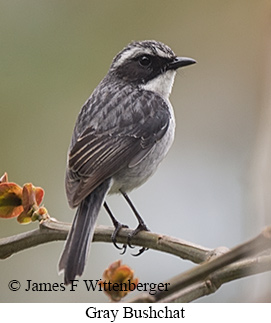
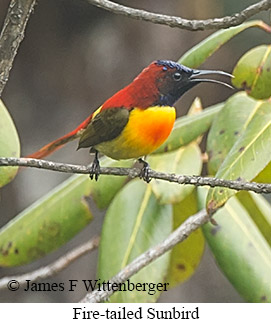
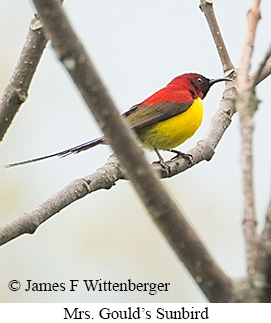
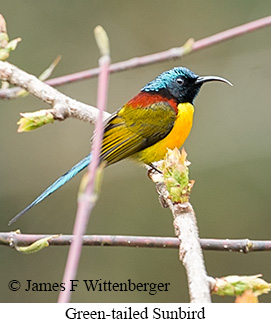
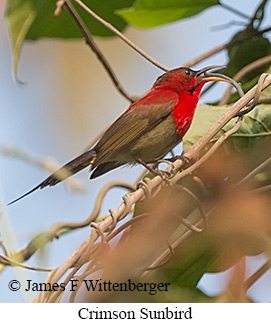
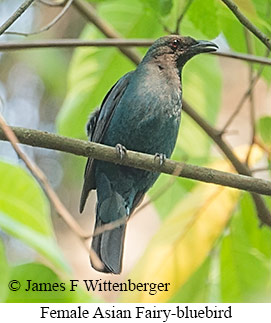
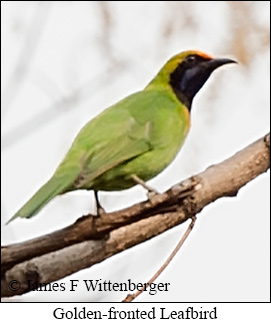
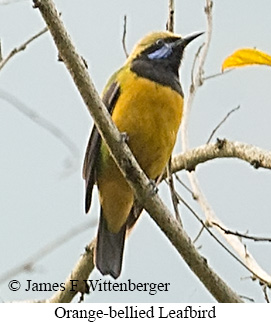
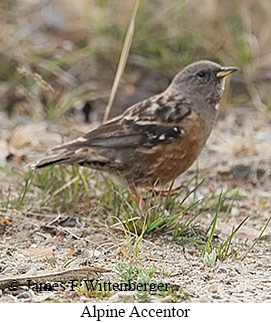
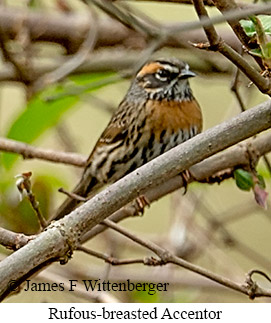
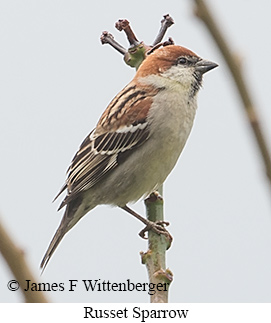
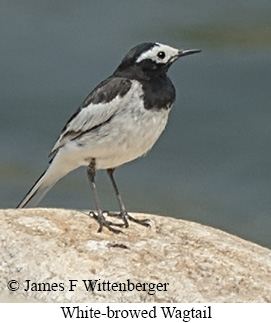
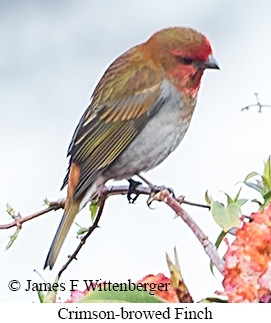
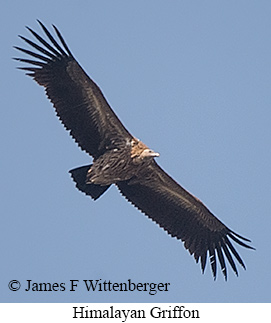
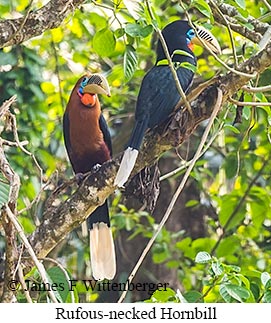
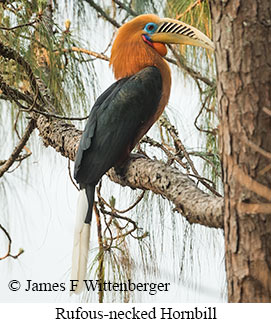
Ruddy Shelduck - © James F Wittenberger and Exotic Birding LLC Female Blood Pheasant - © James F Wittenberger and Exotic Birding LLC Blood Pheasant - © James F Wittenberger and Exotic Birding LLC Blood Pheasant - © James F Wittenberger and Exotic Birding LLC Female Satyr Tragopan - © James F Wittenberger and Exotic Birding LLC Satyr Tragopan - © James F Wittenberger and Exotic Birding LLC Himalayan Monal - © James F Wittenberger and Exotic Birding LLC Kalij Pheasant - © James F Wittenberger and Exotic Birding LLC Red Junglefowl - © James F Wittenberger and Exotic Birding LLC Oriental Turtle-Dove - © James F Wittenberger and Exotic Birding LLC Spotted Dove - © James F Wittenberger and Exotic Birding LLC Mountain Imperial-Pigeon - © James F Wittenberger and Exotic Birding LLC Common Cuckoo - © James F Wittenberger and Exotic Birding LLC Himalayan Cuckoo - © James F Wittenberger and Exotic Birding LLC Lesser Coucal - © James F Wittenberger and Exotic Birding LLC Green-billed Malkoha - © James F Wittenberger and Exotic Birding LLC Fork-tailed Drongo-Cuckoo - © James F Wittenberger and Exotic Birding LLC Large Hawk-Cuckoo - © James F Wittenberger and Exotic Birding LLC Ibisbill - © James F Wittenberger and Exotic Birding LLC Ibisbill - © James F Wittenberger and Exotic Birding LLC River Lapwing - © James F Wittenberger and Exotic Birding LLC Red-wattled Lapwing - © James F Wittenberger and Exotic Birding LLC Wood Sandpiper - © James F Wittenberger and Exotic Birding LLC Great Cormorant - © James F Wittenberger and Exotic Birding LLC Indian Pond-Heron - © James F Wittenberger and Exotic Birding LLC White-bellied Heron - © James F Wittenberger and Exotic Birding LLC Himalayan Griffon - © James F Wittenberger and Exotic Birding LLC Crested Serpent-Eagle - © James F Wittenberger and Exotic Birding LLC Mountain Hawk-Eagle - © James F Wittenberger and Exotic Birding LLC Black Eagle - © James F Wittenberger and Exotic Birding LLC Himalayan Buzzard - © James F Wittenberger and Exotic Birding LLC Tawny Fish-Owl - © James F Wittenberger and Exotic Birding LLC Spotted Owlet - © James F Wittenberger and Exotic Birding LLC Female Ward's Trogon - © James F Wittenberger and Exotic Birding LLC Ward's Trogon - © James F Wittenberger and Exotic Birding LLC Eurasian Hoopoe - © James F Wittenberger and Exotic Birding LLC Great Hornbill - © James F Wittenberger and Exotic Birding LLC Female Rufous-necked Hornbill - © James F Wittenberger and Exotic Birding LLC Rufous-necked Hornbill - © James F Wittenberger and Exotic Birding LLC Rufous-necked Hornbill - © James F Wittenberger and Exotic Birding LLC White-throated Kingfisher - © James F Wittenberger and Exotic Birding LLC Indian Roller - © James F Wittenberger and Exotic Birding LLC Indian Roller - © James F Wittenberger and Exotic Birding LLC Great Barbet - © James F Wittenberger and Exotic Birding LLC Golden-throated Barbet - © James F Wittenberger and Exotic Birding LLC Blue-throated Barbet - © James F Wittenberger and Exotic Birding LLC Yellow-rumped Honeyguide - © James F Wittenberger and Exotic Birding LLC Female Gray-capped Pygmy Woodpecker - © James F Wittenberger and Exotic Birding LLC Rufous-bellied Woodpecker - © James F Wittenberger and Exotic Birding LLC Darjeeling Woodpecker - © James F Wittenberger and Exotic Birding LLC Female Lesser Yellownape - © James F Wittenberger and Exotic Birding LLC Female Greater Yellownape - © James F Wittenberger and Exotic Birding LLC Collared Falconet - © James F Wittenberger and Exotic Birding LLC Collared Falconet - © James F Wittenberger and Exotic Birding LLC Female Rose-ringed Parakeet - © James F Wittenberger and Exotic Birding LLC Rose-ringed Parakeet - © James F Wittenberger and Exotic Birding LLC Red-breasted Parakeet - © James F Wittenberger and Exotic Birding LLC Long-tailed Broadbill - © James F Wittenberger and Exotic Birding LLC Short-billed Minivet - © James F Wittenberger and Exotic Birding LLC Female Long-tailed Minivet - © James F Wittenberger and Exotic Birding LLC Long-tailed Minivet - © James F Wittenberger and Exotic Birding LLC Scarlet Minivet - © James F Wittenberger and Exotic Birding LLC Black-headed Shrike-Babbler - © James F Wittenberger and Exotic Birding LLC Black-eared Shrike-Babbler - © James F Wittenberger and Exotic Birding LLC Maroon Oriole - © James F Wittenberger and Exotic Birding LLC Female Large Woodshrike - © James F Wittenberger and Exotic Birding LLC Bronzed Drongo - © James F Wittenberger and Exotic Birding LLC Hair-crested Drongo - © James F Wittenberger and Exotic Birding LLC Long-tailed Shrike - © James F Wittenberger and Exotic Birding LLC Gray-backed Shrike - © James F Wittenberger and Exotic Birding LLC Eurasian Jay - © James F Wittenberger and Exotic Birding LLC Yellow-billed Blue-Magpie - © James F Wittenberger and Exotic Birding LLC Gray Treepie - © James F Wittenberger and Exotic Birding LLC Eurasian Nutcracker - © James F Wittenberger and Exotic Birding LLC Red-billed Chough - © James F Wittenberger and Exotic Birding LLC Large-billed Crow - © James F Wittenberger and Exotic Birding LLC Rufous-vented Tit - © James F Wittenberger and Exotic Birding LLC Green-backed Tit - © James F Wittenberger and Exotic Birding LLC Sultan Tit - © James F Wittenberger and Exotic Birding LLC Common Tailorbird - © James F Wittenberger and Exotic Birding LLC Nepal House-Martin - © James F Wittenberger and Exotic Birding LLC White-throated Bulbul - © James F Wittenberger and Exotic Birding LLC Striated Bulbul - © James F Wittenberger and Exotic Birding LLC Red-whiskered Bulbul - © James F Wittenberger and Exotic Birding LLC Red-vented Bulbul - © James F Wittenberger and Exotic Birding LLC Red-vented Bulbul - © James F Wittenberger and Exotic Birding LLC Himalayan Bulbul - © James F Wittenberger and Exotic Birding LLC Chestnut-crowned Warbler - © James F Wittenberger and Exotic Birding LLC Yellow-vented Warbler - © James F Wittenberger and Exotic Birding LLC Gray-sided Bush Warbler - © James F Wittenberger and Exotic Birding LLC Black-throated Tit - © James F Wittenberger and Exotic Birding LLC Black-throated Tit - © James F Wittenberger and Exotic Birding LLC Fire-tailed Myzornis - © James F Wittenberger and Exotic Birding LLC Golden-breasted Fulvetta - © James F Wittenberger and Exotic Birding LLC White-browed Fulvetta - © James F Wittenberger and Exotic Birding LLC White-breasted Parrotbill - © James F Wittenberger and Exotic Birding LLC Black-throated Parrotbill - © James F Wittenberger and Exotic Birding LLC Striated Yuhina - © James F Wittenberger and Exotic Birding LLC Whiskered Yuhina - © James F Wittenberger and Exotic Birding LLC Stripe-throated Yuhina - © James F Wittenberger and Exotic Birding LLC Rufous-vented Yuhina - © James F Wittenberger and Exotic Birding LLC Black-chinned Yuhina - © James F Wittenberger and Exotic Birding LLC Indian White-eye - © James F Wittenberger and Exotic Birding LLC Streak-breasted Scimitar-Babbler - © James F Wittenberger and Exotic Birding LLC White-hooded Babbler - © James F Wittenberger and Exotic Birding LLC Rufous-winged Fulvetta - © James F Wittenberger and Exotic Birding LLC Striated Laughingthrush - © James F Wittenberger and Exotic Birding LLC Himalayan Cutia - © James F Wittenberger and Exotic Birding LLC Bhutan Laughingthrush - © James F Wittenberger and Exotic Birding LLC Rufous Sibia - © James F Wittenberger and Exotic Birding LLC Hoary-throated Barwing - © James F Wittenberger and Exotic Birding LLC Chestnut-tailed Minla - © James F Wittenberger and Exotic Birding LLC Silver-eared Mesia - © James F Wittenberger and Exotic Birding LLC Red-faced Liocichla - © James F Wittenberger and Exotic Birding LLC White-crested Laughingthrush - © James F Wittenberger and Exotic Birding LLC Rufous-necked Laughingthrush - © James F Wittenberger and Exotic Birding LLC White-throated Laughingthrush - © James F Wittenberger and Exotic Birding LLC Beautiful Nuthatch - © James F Wittenberger and Exotic Birding LLC White-tailed Nuthatch - © James F Wittenberger and Exotic Birding LLC Hodgson's Treecreeper - © James F Wittenberger and Exotic Birding LLC Common Hill Myna - © James F Wittenberger and Exotic Birding LLC Indian Pied Starling - © James F Wittenberger and Exotic Birding LLC Great Myna - © James F Wittenberger and Exotic Birding LLC Orange-headed Thrush - © James F Wittenberger and Exotic Birding LLC Verditer Flycatcher - © James F Wittenberger and Exotic Birding LLC Pale Blue Flycatcher - © James F Wittenberger and Exotic Birding LLC Blue-throated Flycatcher - © James F Wittenberger and Exotic Birding LLC Blue Whistling-Thrush - © James F Wittenberger and Exotic Birding LLC Slaty-backed Forktail - © James F Wittenberger and Exotic Birding LLC Ultramarine Flycatcher - © James F Wittenberger and Exotic Birding LLC Female Plumbeous Redstart - © James F Wittenberger and Exotic Birding LLC Plumbeous Redstart - © James F Wittenberger and Exotic Birding LLC White-capped Redstart - © James F Wittenberger and Exotic Birding LLC Blue-capped Rock-Thrush - © James F Wittenberger and Exotic Birding LLC Gray Bushchat - © James F Wittenberger and Exotic Birding LLC Fire-tailed Sunbird - © James F Wittenberger and Exotic Birding LLC Mrs. Gould's Sunbird - © James F Wittenberger and Exotic Birding LLC Green-tailed Sunbird - © James F Wittenberger and Exotic Birding LLC Crimson Sunbird - © James F Wittenberger and Exotic Birding LLC Female Asian Fairy-bluebird - © James F Wittenberger and Exotic Birding LLC Golden-fronted Leafbird - © James F Wittenberger and Exotic Birding LLC Orange-bellied Leafbird - © James F Wittenberger and Exotic Birding LLC Alpine Accentor - © James F Wittenberger and Exotic Birding LLC Rufous-breasted Accentor - © James F Wittenberger and Exotic Birding LLC Russet Sparrow - © James F Wittenberger and Exotic Birding LLC White-browed Wagtail - © James F Wittenberger and Exotic Birding LLC Rosy Pipit - © James F Wittenberger and Exotic Birding LLC Scarlet Finch - © James F Wittenberger and Exotic Birding LLC Himalayan White-browed Rosefinch - © James F Wittenberger and Exotic Birding LLC Female Crimson-browed Finch - © James F Wittenberger and Exotic Birding LLC Crimson-browed Finch - © James F Wittenberger and Exotic Birding LLC
button Full Description

DAY 1 - ARRIVAL , PARO, & THIMPHU

The tour begins in Paro, the main gateway to Bhutan and currently the only international airport. Paro is reached by flights from Delhi, India or from Bangkok, Thailand. Flights from Delhi may arrive in the evening, in which case it's necessary to arrive the night before the tour begins. Flights from Bangkok alternate between morning and afternoon arrival. We strongly recommend traveling through Bangkok and timing the tour to arrive in Paro in the morning. Following arrival, we'll check the river near the airport for the rare, uniquely beautiful Ibisbill that regularly occurs there. From there we transfer to Thimphu, about an hour's drive. AFternoon we'll visit the fascinating School of Arts and Crafts in Thimphu. Night at a hotel in Thimphu.

DAY 2 - JIGME DORJI NATIONAL PARK & THIMPHU

We'll depart early for the drive to Jigme Dorji National Park in the Tashitang Valley. It's about a 45min. drive up the Cheri Valley to the entrance area. Much of this very large park is inaccessible. It's the only park in the world where Snow Leopards and Tigers coexist. We won't be seeing either one there. We do expect some good birding along from roadsides. This site is our first chance to see the striking Satyr Tragopan. We can also expect to see birds such as Mountain Hawk-Eagle, Darjeeling Woodpecker, Yellow-billed Blue-Magpie, Green-backed Tit, Lemon-rumped Warbler, Yellow-bellied Warbler, White-browed Fulvetta, Rufous-vented Yuhina, Black-faced Laughingthrush, Chestnut-crowned Laughingthrugh, Rufous Sibia, Hoary-throated Barwing, Spotted Laughingthrush, Gray-winged Blackbird, Mrs. Gould's Sunbird, and Red-headed Bullfinch. With some luck we could also see the secretive Hill Partridge. After lunch back in Thimphu, we'll spend the afternoon visiting the Postal Museum, Textile Museum, and the massive Buddha Dordenma monument. Night at a hotel in Thimphu.

DAY 3 - DOCHU LA PASS & PUNAKHA

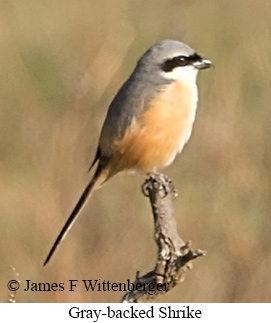
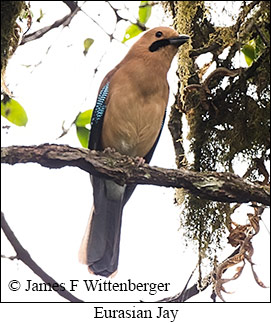
This morning we'll drive through the scenic Dochu La Pass, reaching 10,100ft in elevation, birding en route.The pass is noteworthy for the memorial and 108 small stupas commemorating a military victory over rebels from Assam in 2003. Our primary target bird in the pass is Great Parrotbill. A second target bird is the lovely Fire-tailed Myzornis. encounter other birds that occasionally show themselves such as the skulking Hill Partridge, as well as Gray-backed Shrike, Large-billed Crow, Scaly-breasted Munia, Alpine Accentor, Common Rosefinch, and Dark-rumped Rosefinch. From the pass we'll descend toward Punakha, stopping at several more birding sites. First of these is the Lampeli Botanical Gardens where we may see Besra, Rufous-bellied Woodpecker, Ashy Drongo, Eurasian Jay, Gray-headed Canary-Flycatcher, Chestnut-crowned Warbler, Chestnut-crowned Laughingthrush, Hodgson's Treecreeper, White-browed Bush-Robin, and Rufous-breasted Accentor. We'll stop for lunch farther down the pass. Some birding near the restaurant may yield Black-faced Warbler, Verditer Flycatcher, and Green-tailed Sunbird. After arrival in Punakha, we'll visit the majestic Punakha Dzong. Some of the walls inside are lined with many small Buddha statues donated by families to bring good fortune. Other walls are covered by extraordinary murals depicting the life and myths of the oridinal Buddha. Several large statues in the back are of Buddha and the current king. Night at a hotel in Punakha.

DAY 4 - TSIRANG AREA

Transfer to Damphu in Tsirang District, birding en route and later stopping to visit the White-bellied Heron breeding center. This district has only recently been opened to tourism and is the place where north meets south in Bhutan. The culture around Tsirang is a mix of two ethnic groups, the Drukpa from the north and Nepalese from the south. The habitat in this area is mainly chir pine and deciduous forest. Our major target species is the White-bellied Heron along the river. Only about 27 individuals of this critically endangered species remain in Bhutan and only about 60 worldwide. We'll spend some time on an overlook high above the rover at a known site where a pair nests in hopes of seeing this rarity. Before we reach that site, we'll bird through the Punakha Valley along the river where we can expect Ruddy Shelduck, Pied Avocet, River Lapwing, Great Cormorant, Crested Kingfisher, and Eurasian Hoopoe. Farther south we can expect White-throated Kingfisher, Chestnut-headed Bee-eater, Blue-throated Barbet, Short-billed Minivet, Bar-winged Flycatcher-Shrike, Gray Treepie, Black-throated Prinia, Black Bulbul, Gray-hooded Warbler, Indian White-eye, Spot-winged Starling, Orange-headed Thrush, Crimson Sunbird, and Crested Bunting. Night at a hotel in Damphu.

DAY 5 - DAMPHU HIGHLANDS & GELEPHU

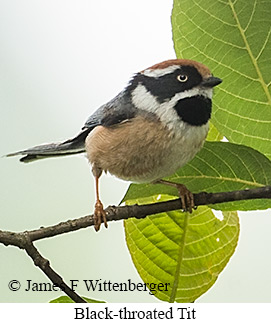
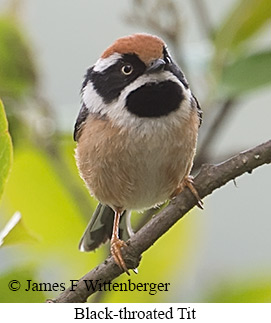
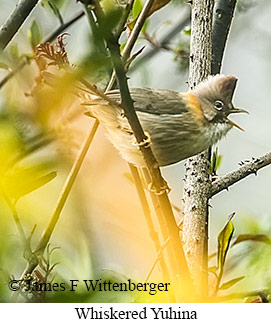
We'll begin the day birding the highlands above Damphu. These forests are home to hornbills such as Great Hornbill, Oriental Pied-Hornbill, Rufous-necked Hornbill, and Wreathed Hornbill. Other birds in the highlands include Black Eagle, Striated Bulbul, Black-throated Tit, Gray-crowned Tit, Whiskered Yuhina, Striated Laughingthrush, Bhutan Laughingthrush, Blue-winged Minla, Red-billed Leiothrix, Silver-eared Mesia, White-crested Laughingthrush, Pale Blue Flycatcher, White-capped Redstart, and Gray-headed Warbler. After cresting the pass, we'll continue downhill toward the lowlands and Gelephu. This altitudinal transect should produce species such as Himalayan Swiftlet, Great Barbet, Golden-throated Barbet, White-throated Fantail, Brownish-flanked Bush Warbler, White-naped Yuhina, Himalayan Cutia, Rufous Sibia, Rusty-fronted Barwing, and Rufous-bellied Niltava. Along the way we'll stop for a picnic lunch before continuing downslope. Lower down we can expect additional species such as Crested Serpent-Eagle, Maroon Oriole, Large Woodshrike, Black-naped Monarch, Green-backed Tit, Sultan Tit, Black-crested Bulbul, Hume's Warbler, Chestnut-crowned Warbler, Striated Yuhina, White-naped Yuhina, Red-tailed Minla, Beautiful Nuthatch, Velvet-fronted Nuthatch, White-tailed Nuthatch, Rufous-gorgeted Flycatcher, Black-throated Sunbird, and Golden-fronted Leafbird. When we eventually reach the lowlands, birding will be less productive as traffic is quite heavy and major construction of a new airport outside Gelephu is in progress. Even so we should see a few new species including Indian Peafowl, Spotted Dove, Little Cormorant, Indian Roller, Great Myna, and Oriental Magpie-Robin. Other possibilities include Black-eared Shrike-Babbler, Scaly-breasted Cupwing, White-spectacled Warbler, Chestnut-crowned Warbler, White-naped Yuhina, Golden Babbler, White-crested Laughingthrush, and Forest Wagtail. We'll then bird our way south to Gelephu near the border with India. We'll stop in Sarpang for some foothills birding before descending to the plains around Gelephu. Birds we may find en route include Indian Peafowl, Indian Roller, Bayoodpecker, Collared Falconet, Short-billed Minivet, Black-hooded Oriole, Pygmy Cupwing, Rufous-winged Fulvetta, Bhutan Laughingthrush, White-tailed Nuthatch, Small Niltava, and Little Pied Flycatcher. Night at a hotel in Gelephu.
DAY 6 - GELEPHU AREA

We'll spend all day birding around Gelephu. This lowland area features many specialties whose ranges barely extend into Bhutan from northern India. During the morning we'll visit the sewage treatment plant. There we can expect Lesser Whistling-Duck, Fork-tailed Drongo-Cuckoo, Indian Pond-Heron, Red-naped Ibis, Oriental Honey-buzzard, Black Kite, Wreathed Hornbill, Black Drongo, Greater Racket-tailed Drongo, Rufous Treepie, Siberian Stonechat, Citrine Wagtail, and more. Around the outskirts of Gelephu we may see Green Imperial-Pigeon, Spotted Owlet, Rose-ringed Parakeet, Red-breasted Parakeet, Jungle Babbler, Indian Pied Starling, and Great Myna. Birding west of the city is currently hampered by extensive construction, but an afternoon birding roadsides Great Hornbill, Indian Roller, Lineated Barbet, Alexandrine Parakeet, Large Cuckooshrike, Black-hooded Oriole, Cinereous Tit, Golden-fronted Leafbird, and other widely distributed species. Also possible but difficult is Red-headed Trogon. Night at a hotel in Gelephu.

DAY 7 - TRANSFER TO TINGTIBI

This day we'll gradually ascend into the foothills west of Gelephu, reaching the southwestern edge of Royal Manas National Park by mid-day. We'll spend the entire day birding en route. Likely possibilities include Himalayan Cuckoo, Blyth's Swift, Mountain Hawk-Eagle, Black Eagle, Great Hornbill, Wreathed Hornbill, Blue-bearded Bee-eater, Great Barbet, Golden-throated Barbet, Yellow-rumped Honeyguide, Fulvous-breasted Woodpecker, Greater Yellownape, Long-tailed Broadbill, Black-eared Shrike-Babbler, Common Green-Magpie, Yellow-cheeked Tit, Sultan Tit, White-throated Bulbul, Gray-cheeked Warbler, Black-faced Warbler, Golden Babbler, Long-tailed Sibia, Blue-winged Minla, White-tailed Nuthatch, Gray-winged Blackbird, Large Niltava, Little Pied Flycatcher, Black-throated Sunbird, and Orange-bellied Leafbird. In addition to birds, we can expect to see some mammals as well, including Assam Macaque, Rhesus Monkey, Golden Langur, Black Giant Squirrel, and Orange-bellied Himalayan Squirrel. Night at a hotel in Tingtibi.

DAY 8 - TINGTIBI

We'll spend all of this day birding the temperate forest around Tingtibi. Of particular interest are stands of bamboo, home to bamboo specialists such as Pale-headed Woodpecker, Yellow-bellied Warbler, Pale-billed Parrotbill, Black-crowned Scimitar-Babbler, and White-hooded Babbler. Many other birds occur in this amazing place. Notable species include Pin-tailed Green-Pigeon, Himalayan Cuckoo, Collared Owlet, Chestnut-headed Bee-eater, Gray-chinned Minivet, White-bellied Erpornis, Bronzed Drongo, Ashy Bulbul, Green-crowned Warbler, Black-throated Tit, Gray-crowned Tit, Black-chinned Yuhina, Nepal Fulvetta, Rufous-necked Laughingthrush, Orange-headed Thrush, Small Niltava, Pale Blue Flycatcher, Blue-throated Flycatcher, Fire-breasted Flowerpecker, Red-headed Bullfinch, and Gray-headed Bullfinch. Night at a hotel in Tingtibi.

DAY 9 - PANBANG

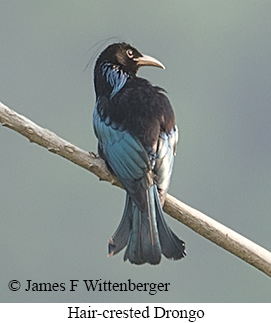
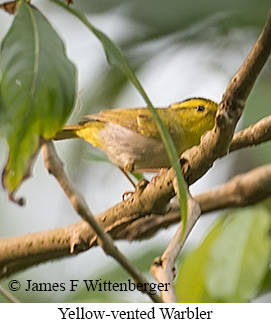
Early morning birding around Tingtibi followed by transfer to the lower elevation site of Panbang with birding en route. During this drive we'll be passing through the expansive and rather remote Royal Manas National Park. This large park is the oldest in Bhutan and is home to Indian Rhinoceros, Bengal Tigers, and other mammals as well as many birds. The park includes several altitudinal zones in the Himalayan foothills, but we'll be birding mainly in subtropical forest. Among the many possibilties are Fork-tailed Drongo-Cuckoo, Lineated Barbet, Hair-crested Drongo, Red-whiskered Bulbul, Yellow-vented Warbler, White-hooded Babbler, Brown Dipper, Common Hill Myna, Ferruginous Flycatcher, and Asian Fairy-bluebird. We should also see some mammals including Golden Langur and Capped Langur. Night at a hotel in Nganglam.

DAY 10 - ROYAL MANAS NATIONAL PARK & NGANLAM

We'll devote the morning to birding in Royal Manas National Park near Panbang. Then transfer to Nganlam, farther east in southern Bhutan. The drive takes about 2 hours, though we'll spend longer birding en route seeking out specialties of the southern border region. Birds we can expect around Panbang include Asian Barred Owlet, Lineated Barbet, Gray-capped Pygmy Woodpecker, Lesser Yellownape, Common Iora, Lesser Racket-tailed Drongo, Black-naped Monarch, Common Tailorbird, Ashy Bulbul, Chestnut-crowned Warbler, Long-tailed Sibia, Rufous-backed Sibia, Lesser Necklaced Laughingthrush, and Chestnut-tailed Starling. During the transfer we may add species such as Pin-tailed Green-Pigeon, Eurasian Crag-Martin, Red-rumped Swallow, and Gray Wagtail. With luck we may also see Spotted Forktail and Black-backed Forktail around the many streams and small cascades along the road. Night at a hotel in Nganglam.

DAY 11 - TRANSFER TO YONGKO LA

We'll depart early for the drive north through Royal Manas National Park on a relatively new route to the lowlands west of Mongar near the Kuri Chhu River, the Gyalpoizhing-Nganglam Highway, and then drive an altitudinal transect up above Yongko La. Some early birding outside Nganglam may produce Yellow-rumped Honeyguide, Black-eared Shrike-Babbler, Lemon-rumped Warbler, Blyth's Leaf Warbler, Himalayan Cutia, Rufous-necked Laughingthrush, Chestnut-tailed Starling, Jungle Myna, Taiga Flycatcher, Green-tailed Sunbird, and various other species. At the river bridge we hope to see the scarce Blyth's Kingfisher. Also typically present there is Crested Kingfisher and Slaty-backed Forktail. As we continue north, the road is carved out of steep hillsides and even a couple cliffs, so we'll simple drive the road to the town of Yongko La. From there we will ascend into the highlands to our hotel. Night at Trogon Willa Lodge.

DAYS 12-14 - HIGHLANDS ABOVE YONGKO LA

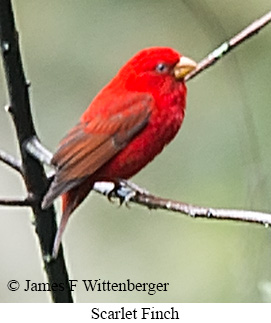
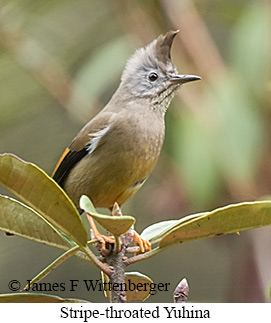
We'll spend three full days birding around Yongko La. The exact locales depend on our birding success each day. Birding in this area is considered some of the best in the world. For the most part we'll bird an altitudinal transect going up the mountain toward Yongko La pass, but we will spend one morning lower down near the hotel and below where different species occur. Every day will bring new species and new surprises. We'll encounter plenty of mixed flocks centered around yuhinas. Some of the common birds we can expect include Rufous-necked Hornbill, Great Barbet, Golden-throated Barbet, Gray-chinned Minivet, Long-tailed Minivet, Gray Treepie, Green-backed Tit, Yellow-cheeked Tit, Yellow-browed Tit, Nepal House-Martin, Black Bulbul, Ashy-throated Warbler, Lemon-rumped Warbler, Gray-cheeked Warbler, Blyth's Leaf Warbler, Black-faced Warbler, Black-throated Tit, Gray-crowned Tit, Whiskered Yuhina, Rufous-vented Yuhina, Black-chinned Yuhina, Rufous-capped Babbler, Yellow-throated Fulvetta, Striated Laughingthrush, Himalayan Cutia, Rufous Sibia, Hoary-throated Barwing, Blue-winged Minla, Rusty-fronted Barwing, Chestnut-tailed Minla, White-throated Laughingthrush, Rufous-crowned Laughingthrush, Chestnut-bellied Rock-Thrush, Blue-capped Rock-Thrush, Gray Bushchat, Fire-breasted Flowerpecker, Mrs. Gould's Sunbird, and Green-tailed Sunbird. Less common or more secretive are White-throated Fantail, Sultan Tit, Chestnut-headed Tesia, Aberrant Bush Warbler, Golden-breasted Fulvetta, White-browed Fulvetta, Black-throated Parrotbill, Little Forktail, White-naped Yuhina, Golden Babbler, Black-crowned Scimitar-Babbler, Slender-billed Scimitar-Babbler, Streak-breasted Scimitar-Babbler, Rusty-cheeked Scimitar-Babbler, Rufous-winged Fulvetta, and Scarlet Finch. Closer to our hotel are several specialties, some coming to a farmhouse where the owner puts out seed for them, some scarce and only found nearby. These include Tawny Fish-Owl, Himalayan Bulbul, Blue-winged Laughingthrush, Red-faced Liocichla, Scarlet-faced Liocichla, and Rufous-necked Laughingthrush. We'll also do some optional night birding looking for Hodgson's Frogmouth, Gray Nightjar, Mountain Scops-Owl, Brown Wood-Owl, and Himalayan Owl. Nights at Trogon Villa Lodge.

DAY 15 - SENGOR & CHUMEY

This day we'll drive westward toward Chumey following the same highland road we birded previously but now continuing on westward. We'll stop along the way to do some birding when flocks present themselves, but the priority is some new sites farther west. As we reach higher elevation, we should have very good views of two specials, Blood Pheasant and Satyr Tragopan. As we approach Sengor we can expect additional species such as Red-billed Chough, Rufous-vented Tit, Gray-crested Tit, Buff-barred Warbler, Fire-tailed Myzornis, White-browed Fulvetta, White-collared Blackbird, Golden Bush-Robin, Fire-tailed Sunbird, and Alpine Accentor. We'll be birding en route around Namling and Sengor looking for species still needed for the tour at Namling and Sengor. These include Satyr Tragopan, Ward's Trogon, Golden-throated Barbet, Yellow-rumped Honeyguide, Black-headed Shrike-Babbler, Green Shrike-Babbler, Yellow-billed Blue-Magpie, Bar-winged Wren-Babbler, Slender-billed Scimitar-Babbler, Chestnut-tailed Minla, and Mrs. Gould's Sunbird. Night at a hotel in Chumey. As we continue toward Chumey, we'll be on the lookout for the more shy Himalayan Monal. Night at a hotel in Chumey.

DAY 16 - TRONGSA & PHOBJIKHA VALLEY

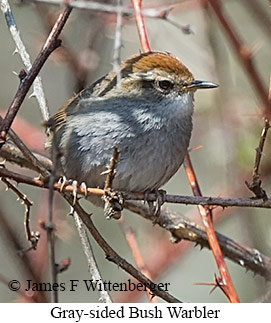
We'll depart early this day for the scenic town of Trongsa, birding en route. We have a good chance of seeing Himalayan Monal once again. Other possibilities include Darjeeling Woodpecker, Eurasian Nutcracker, Coal Tit, Rufous-vented Tit, Buff-barred Warbler, Lemon-rumped Warbler, Gray-sided Bush Warbler, Streak-breasted Scimitar-Babbler, Black-faced Laughingthrush, Red-tailed Minla, Rufous-breasted Accentor, and Dark-rumped Rosefinch. We also have a chance for the rare Black-headed Shrike-Babbler. From Trongsa we'll continue on to the Phobjikha Valley. The only new species we can expect there are Himalayan Griffon and Oriental Skylark. The Phobjikha Valley is most notable as the main wintering ground of the Black-necked Crane. This species will have already migrated north by April, but the visitor center devoted to its conservation is worth visiting. Night at a hotel in the Phobjikha Valley.

DAY 17 - PELE LA PASS & TRANSFER

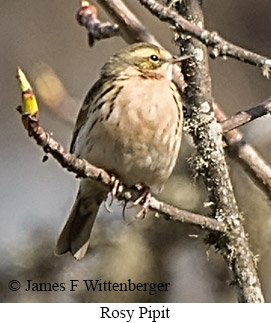
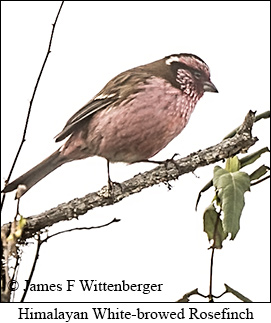
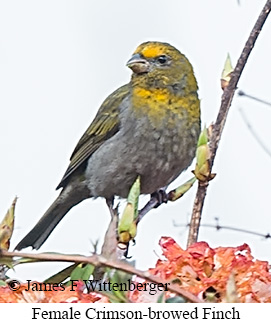
Depart early for Pele La Pass for some high altitude birding around 11,220ft. The pass is quite scenic with a large stupa with prayer flags marking the site, and colorful native Rhododendrons should be in full bloom. This area is a good place to pick up Himalayan Monal if not seen earlier. Other birds we hope to see include Speckled Wood-Pigeon, Himalayan Buzzard, Rufous-bellied Woodpecker, Eurasian Jay, Eurasian Nutcracker, Yellow-bellied Fairy-Fantail, Whistler's Warbler, Brownish-flanked Bush Warbler, Rufous-breasted Accentor, Rosy Pipit, White-winged Grosbeak, Himalayan White-browed Rosefinch, Crimson-browed Finch, and Red-headed Bullfinc. After birding and breakfast in the field, we'll drive westward toward Paro. Downslope from the pass we'll stop where we have another chance to see Ward's Trogon. We hope to see this tricky species in the highlands above Yongko La, but this site is a second chance if we missed it earlier. From there we'll drive downslope toward the Punakha Valley, then up Dochu La retraciing our route back to Paro. We should arrive in Paro by late afternoon. Night at a hotel in Paro.

DAY 18 - TIGER'S NEST MONASTERY & PARO

No visit to Bhutan is complete without a visit to the famed Tiger's Nest Monastery, which is perched high on the side of a cliff outside Paro. The original monastery was built in the 8th century, but the complex of buildings was later built in 1692. In April 1998 a fire broke out in the main building, causing significant damage. The monastery was later restored in 2005 at considerable cost. The hike up to the monastery is moderately strenous, involving 900m (3000 ft.) of elevation gain. The trail up consists primarly of wide steps carved out of the mountainside. It's possible to get decent views half way up the trail, where a restaurant is located. Still higher up is a lookout. From there the monastery is reached by climbing down about 500 steps into a gorge and then back up 200 steps on the other side. The monastery is perched on a ledge above a vertical cliff. This day of the tour will be devoted to hiking up to the monastery, which can take anywhere from a few hours to much of the day depending on a person's fitness. Many visitors are usually doing the hike, some of whom are going to the monastery for religious purposes or in hopes of being cured of ailments. Later in the afternoon, after the hike, we'll visit the Drukgyal Dzong outside Paro. This dzong was built as a fortress but the interior is now in ruins.

DAY 19 - CHELE LA & PARO

Morning birding the highlands of Chele La, the highest point on the road between Paro and the Ha Valley. This is an excellent site to see the iridescent Himalayan Monal if it was missed earlier. Also present there are Blood Pheasant and Kalij Pheasant. The alpine meadows at the pass and forest a bit lower down offer Eurasian Nutcracker, Red-billed Chough, Whistler's Warbler, Bhutan Laughingthrush, Chestnut-crowned Laughingthrush, Spotted Laughingthrush, White-throated Laughingthrush, Rufous-crowned Laughingthrush, White-winged Grosbeak, and Himalayan White-browed Rosefinch. In the afternoon, we'll visit some wetlands around Paro where our primary target bird is the secretive Black-tailed Crake. In addition, we hope to pick up Eurasian Woodcock. With some luck we could also find Himalayan Bluetail.

DAY 20 - END OF TOUR

After breakfast transfer to the airport for international flight home. Tour ends at the airport.

button Special Birds

DISTRIBUTION CODES

CodeDescriptionCodeDescription
EEndemicLCLocal
NENear EndemicRRRestricted Range

color codes

1/Mandarin Duck/Aix galericulataLC
2/Eastern Spot-billed Duck/Anas zonorhynchaLC
3|Common Pochard|Aythya ferina 
4/Ferruginous Duck/Aythya nyroca 
5Chestnut-breasted PartridgeArborophila mandellii 
6Satyr TragopanTragopan satyra 
7Indian PeafowlPavo cristatusLC
8Japanese QuailCoturnix japonica 
9Red Collared-DoveStreptopelia tranquebaricaRR
10Ashy-headed Green-PigeonTreron phayrei 
11Green Imperial-PigeonDucula aenea 
12(Dark-rumped Swift)Apus acuticaudaLC
13/Black-necked Crane/Grus nigricollis 
14/Northern Lapwing/Vanellus vanellus 
15River LapwingVanellus duvaucelii 
16Wood SnipeGallinago nemoricola 
17White-bellied HeronArdea insignis 
18Bearded VultureGypaetus barbatus 
19Himalayan GriffonGyps himalayensis 
20Mountain Hawk-EagleNisaetus nipalensis 
21Rufous-bellied EagleLophotriorchis kienerii 
22|Greater Spotted Eagle|Clanga clanga 
23|Steppe Eagle|Aquila nipalensis 
24Pallas's Fish-EagleHaliaeetus leucoryphus 
25Red-headed TrogonHarpactes erythrocephalusLC
26Ward's TrogonHarpactes wardi 
27Great HornbillBuceros bicornis 
28Rufous-necked HornbillAceros nipalensis 
29Wreathed HornbillRhyticeros undulatus 
30Yellow-rumped HoneyguideIndicator xanthonotus 
31Alexandrine ParakeetPsittacula eupatria 
32Red-breasted ParakeetPsittacula alexandri 
33Eurasian MagpiePica picaLC
34Gray-crowned PriniaPrinia cinereocapillaNE
35Jungle PriniaPrinia sylvaticaNE
36Hume's WarblerPhylloscopus humeiLC
37Fulvous ParrotbillSuthora fulvifronsLC
38Rufous-throated Wren-BabblerSpelaeornis caudatus 
39Sikkim Wedge-billed BabblerStachyris humeiRR
40Bhutan LaughingthrushTrochalopteron imbricatumNE
41Jungle BabblerArgya striataRR
42Beautiful NuthatchSitta formosa 
43Bank MynaAcridotheres ginginianusLC
44Great MynaAcridotheres grandisRR
45/Spot-winged Starling/Saroglossa spilopterusRR
46Purple CochoaCochoa purpureaRR
47Pale-billed FlowerpeckerDicaeum erythrorhynchosRR